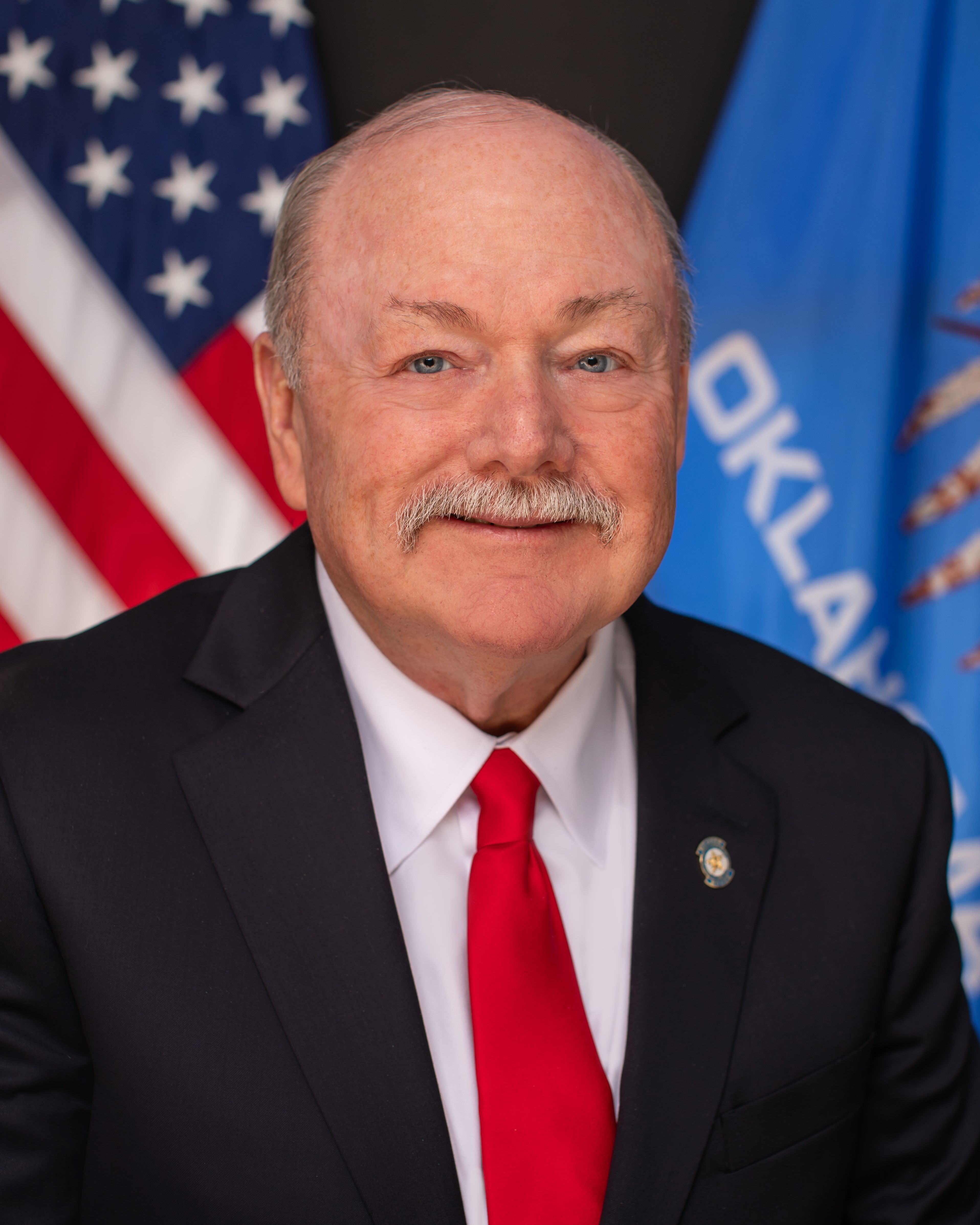
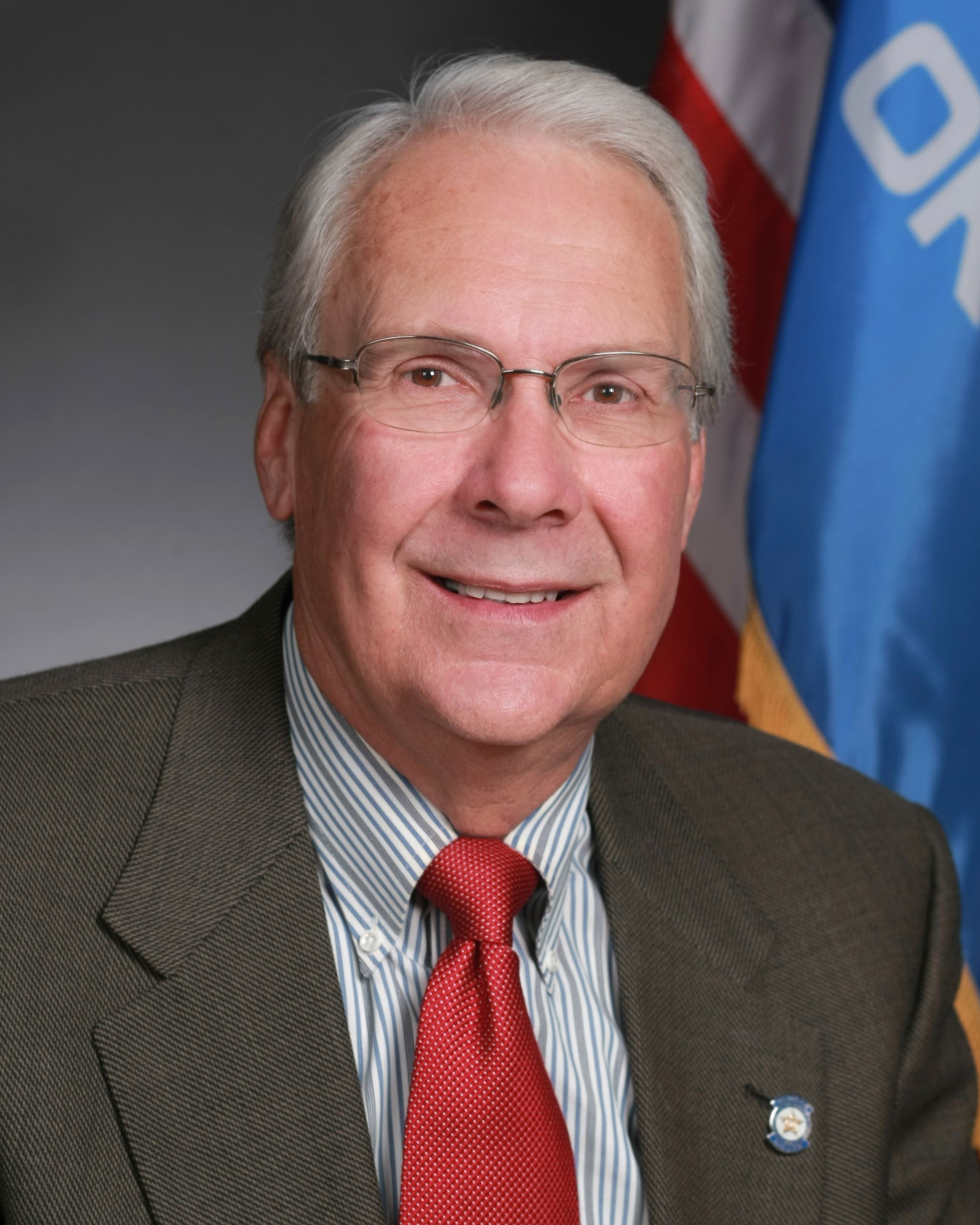
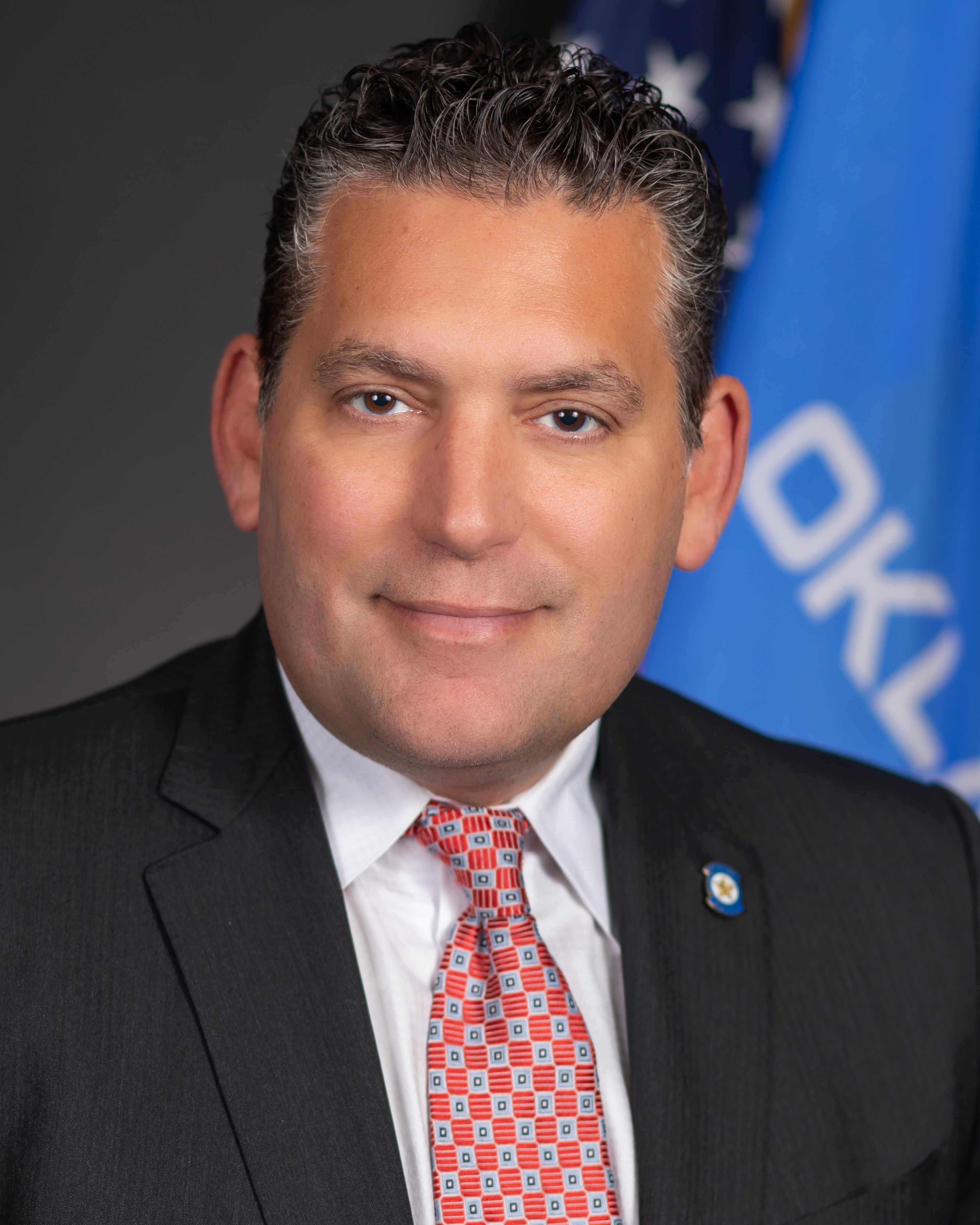
SB 1148 allocates $100,000 from Oklahoma's General Revenue Fund to the Department of Transportation for the 2025-2026 fiscal year. This funding supports the department's existing duties under current law, such as road maintenance and transportation projects. The bill declares an emergency to allow immediate implementation upon approval. It directly affects the Department of Transportation's budget for state transportation operations. (1 sentence summary as it is a procedural appropriations bill.)
SB 582 requires Oklahoma state agencies collecting revenue into the General or Special Revenue Funds to provide the Office of Management and Enterprise Services with detailed, itemized forecasts of expected collections for the current year and the next two fiscal years. It also mandates the Oklahoma Tax Commission to submit comprehensive economic reports - analyzing recent performance and forecasting national/state trends - to the Director of Management and Enterprise Services at least two weeks before State Board of Equalization meetings, including assessments of past forecast accuracy. These reports and revenue estimates must be shared simultaneously with key legislative committees. The bill takes effect November 1, 2025, and became law without the Governor's signature on May 7, 2025.
SB 122 appropriates $9 million from Oklahoma's General Revenue Fund to the Weigh Station Improvement Revolving Fund for the 2023 fiscal year. This funding directly supports the Oklahoma Department of Transportation (DOT) in upgrading weigh stations, which inspect commercial truck weights to ensure road safety and compliance with weight limits. The bill provides concrete financial resources for the DOT to carry out its legal duties related to weigh station maintenance and improvements. It becomes effective July 1, 2025, with an emergency declaration allowing immediate implementation upon approval. The bill does not alter laws or create new regulations but allocates specific funds for existing DOT responsibilities.
SB 151 creates the Oklahoma Neighborhood Revitalization Fund to provide grants for aesthetic improvements in small municipalities. It directs sales tax revenue to fund projects like sidewalk repairs, street lighting, and roadside beautification for cities with under 25,000 residents. Municipalities must contribute 20% of project costs (capped at $500,000) and apply by May 1, 2026, with funds distributed by October 1, 2026. The Oklahoma Department of Commerce reviews applications and allocates funds exclusively for approved improvements, prohibiting use for other purposes.
HB 2177 requires state agencies collecting revenue for the General Revenue Fund and Special Revenue Funds to provide the Director of the Office of Management and Enterprise Services with detailed, itemized annual revenue estimates. This includes actual past collections, current year projections, and three-year forecasts, along with written explanations of methodology. The Oklahoma Tax Commission must also submit comprehensive economic reports two weeks before State Board of Equalization meetings, covering national/state economic performance and forecast accuracy. The bill takes effect July 1, 2025, and mandates that all required reports be shared simultaneously with legislative budget committees.
HB 1452 imposes a state tax on owners of wind, solar, geothermal, and hydroelectric facilities in Oklahoma, equal to the federal production tax credit amount they could have claimed. The tax applies regardless of whether the facility owner actually used the federal credit. Government-owned facilities are exempt from this tax, while private owners must report and pay the tax monthly to the Oklahoma Tax Commission. All revenue collected flows into the state's General Revenue Fund.
SB 38 modifies Oklahoma's sales tax revenue allocation to provide a fixed annual amount for the Oklahoma Historical Society. It specifies that starting in fiscal year 2026, 0.06% of sales tax revenue will be directed to the Historical Society's Capital Improvement and Operations Revolving Fund, capped at $1,880,553.25 annually. This change directly affects the Historical Society's funding, replacing the previous cap based on 2015 apportionment amounts. The bill does not alter other tax revenue allocations for education, tourism, or general funds.
This Oklahoma constitutional amendment (SJR 15) proposes eliminating all property taxes by January 1, 2030, and replacing them with county-level consumption taxes on final goods and services sold within the county. It requires counties to develop voter-approved plans by 2028 to fund services (including schools) previously supported by property taxes, using a new Section 20A added to the state constitution. Counties must hold special elections for voter approval of any consumption tax levy or rate changes, with no tax exemptions allowed, and must revise proposals if rejected. The bill directly affects all Oklahoma counties, residents (through potential tax shifts), and school districts (which would rely on consumption tax revenue).
HB 2057 establishes a 7% tax on retail medical marijuana sales in Oklahoma, collected at the point of sale. Tax revenue is allocated annually starting July 2026: $65 million is divided between the State Public Common School Building Fund (59.23%), the Oklahoma Medical Marijuana Authority (34.62%), drug and alcohol rehabilitation programs (5%), and the Trauma Care Assistance Revolving Fund (1.15%). Any surplus tax collections go to the General Revenue Fund. The bill also requires medical marijuana businesses to pay taxes or face permanent license revocation.
HB 2407 creates a $2 million revolving fund in the Oklahoma State Treasury, managed by the Department of Commerce, to provide grants for qualifying Main Street programs. To receive funding, a Main Street must first be designated by Oklahoma's Main Street Program, maintain that designation, and submit annual proof of eligibility. The grant funds, appropriated from the General Revenue Fund for fiscal year 2026, may be used for operational costs but cannot be relied upon for ongoing operations. The bill requires reallocation of unclaimed funds if a recipient loses their Main Street designation, effective July 1, 2025.