

Maddy summarySB 383, titled "Right to IVF," protects patients' access to assisted reproductive technology (ART) like in vitro fertilization (IVF), gamete intrafallopian transfer, and zygote intrafallopian transfer. It prohibits North Carolina or its subdivisions from restricting or interfering with patients' access to ART or healthcare providers' ability to offer or perform these services. The bill also clarifies that fertilized eggs or embryos outside the uterus are not legally considered "human beings" under state law. Additionally, it allocates $500,000 annually from 2025-2027 to expand Medicaid maternal support services (the Baby Love Program), matching federal funds for this purpose. The bill directly affects patients seeking ART and healthcare providers offering these services in North Carolina.
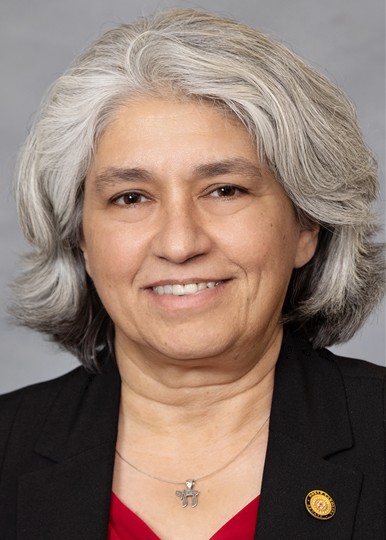
Sen. Lisa Grafstein
Sponsored bills
Maddy summarySB 371 would require North Carolina charter schools with four consecutive years of low academic performance (grades D/F with insufficient growth) to have their charters revoked. It directly affects charter schools identified as "continually low-performing," including the 14,400 students currently enrolled in such schools, and restricts their enrollment expansion until performance improves. Key provisions include mandating that charter schools display their annual performance grade on enrollment applications, limiting remote charter academies to three-year terms, and requiring the state board to identify consistently failing schools annually. The bill aims to address chronically underperforming schools by creating a clear pathway for charter cancellation while allowing limited exceptions for schools showing improvement. It takes effect for the 2025-2026 school year.
Maddy summarySB 305 allocates $3 million in recurring state funds to North Carolina's Department of Public Safety for the Community Emergency Response Team (CERT) program during the 2025-2026 fiscal year. The bill directs the Division of Emergency Management to use these funds to expand CERT training and actively promote community participation through partnerships with local organizations. Key provisions include establishing new training sessions and developing outreach strategies to encourage broader community engagement in emergency preparedness. This funding directly supports residents and local groups participating in CERT programs, focusing on practical disaster response skills. The bill becomes effective July 1, 2025.
Maddy summarySB 352 allocates $2.5 million annually from 2025-2027 to fund grants for nonprofit community health centers in North Carolina. These grants will allow centers to purchase and provide long-acting reversible contraceptives (LARCs), such as IUDs or implants, to underserved, uninsured, or medically indigent patients. LARCs must meet specific criteria: they provide extended birth control without daily user action, are temporary, FDA-approved, and require a prescription. The bill becomes effective July 1, 2025, focusing on expanding access to affordable, long-term contraceptive options.
Maddy summarySB 353, the Second Chance Coding Act, requires North Carolina's Division of Juvenile Justice to create a program teaching coding and computer skills to juveniles in youth development centers. The program must include specialized courses, industry certification opportunities, and workforce connections like mentorship and job placement to help these youth transition into careers after release. Implemented by January 1, 2026, with $250,000 in funding for 2025-2026, the bill aims to reduce recidivism by improving job prospects. It directly affects youth committed to juvenile facilities, focusing on concrete skill-building rather than speculative outcomes.
Maddy summarySB 351, the Right to Start Act, allows new businesses (corporations, S corporations, LLCs, partnerships, and other entities) less than five years old with under $5,000 in net income to defer their state income tax payment for one year. It also requires state agencies to prioritize contracting with businesses operating under five years and mandates the Department of Administration to collect and report annual data on these contracts, including demographic and geographic breakdowns. The bill directly affects small, newly formed businesses seeking tax relief and state procurement decisions. Key provisions include the tax deferral eligibility criteria and the data collection/reporting requirements for state contracts.
Maddy summarySB 330 requires North Carolina's Local Management Entities/Managed Care Organizations (LME/MCOs) serving Medicaid beneficiaries for mental, behavioral, and substance use services to submit quarterly reports starting October 2025. These reports must include data on emergency department waits over 24 hours, access to providers within 30 days, unused funds due to provider shortages, and network provider counts. The bill also sets new service standards: LME/MCOs must ensure fewer than two people per county are "boarded" in hospital ERs (staying over 24 hours after medical clearance) and that 85% of approved services begin within 45 days. Failure to meet these benchmarks for two consecutive quarters triggers corrective action by the state. This directly affects Medicaid beneficiaries accessing behavioral health services and the LME/MCOs managing those services.
Maddy summarySB 324, the 2025 Safe Drinking Water Act, requires North Carolina's Commission for Public Health to establish safe limits for harmful chemicals in drinking water by October 2025. It directly affects all North Carolina residents by mandating maximum contaminant levels (MCLs) for specific toxins like PFAS, PFOA, PFOS, hexavalent chromium, and 1,4-Dioxane - chemicals linked to cancer or serious health risks. The bill directs the Commission to base these limits on scientific evidence from other states and federal agencies, ensuring protections for vulnerable groups like children and pregnant people, while aligning with U.S. Environmental Protection Agency standards. The law also requires annual reviews to update these limits as new health science becomes available.
Maddy summarySB 325 establishes North Carolina's Department of Housing and Community Development as a unified cabinet-level department, replacing fragmented housing and community development functions across state agencies. The department includes four divisions: Community Development (focusing on revitalization and broadband access), Housing (managing affordable housing, homelessness, and disaster resilience), Operations, and a Policy and Legislative Office. It directly affects low- to moderate-income residents through housing programs and community development initiatives, with $30 million in recurring funding allocated for the 2025-2026 fiscal year. The bill formalizes the department’s structure, mission, and governance, including a nine-member board appointed by the Governor and legislative leaders.
Maddy summarySB 326, the Economic Security Act, raises North Carolina's minimum wage to $22 per hour starting January 1, 2026, with annual inflation adjustments based on the Consumer Price Index. It requires employers to provide paid sick leave, paid family medical leave, and workplace safety protections, while mandating equal pay for equal work regardless of gender. The bill also increases the tipped minimum wage, ends wage theft, prohibits employers from asking about criminal history on job applications ("ban the box"), and expands unemployment benefits for workers. These provisions directly affect all private and public employers and employees across North Carolina, including gig economy workers and essential workers.