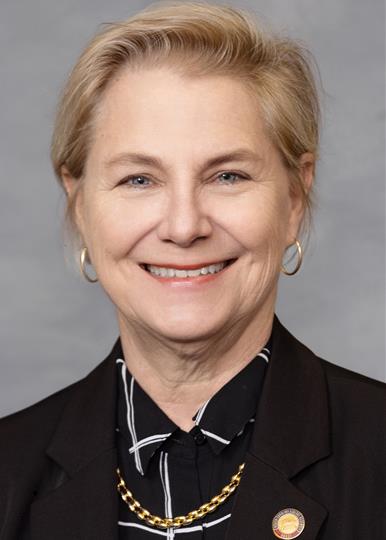
HB 1066, the Child Care Stabilization and Affordability Act, aims to address North Carolina's child care shortages by redirecting funds from the Opportunity Scholarship Program to support child care services. The bill reduces scholarship funding for private school vouchers, with the savings used to expand child care subsidies, stabilize existing programs, and improve early childhood educator pay and benefits. It also streamlines administrative rules for child care providers and clarifies regulations for religious programs. These changes directly affect families seeking child care subsidies, private school scholarship recipients, and child care providers across the state.
This bill, titled the Keep NC Working Act, creates a new Short-Time Compensation Program in North Carolina to help employers avoid layoffs by reducing employee work hours instead. Starting in October 2026, eligible employers can submit a plan to the state Division of Unemployment Insurance to reduce employee hours by between 10% and 60% for up to one year. In exchange for these reduced hours, employees will receive additional unemployment benefits, while employers must ensure that health and retirement benefits continue as if the workers were still working full time. The program requires employers to maintain a clean record with the state regarding unemployment taxes and must have the agreement of any collective bargaining units involved.
SB 960 increases the funding cap for North Carolina public schools serving students with disabilities from 13% to 16% of a district's student population. The bill also creates a new High-Cost Disabilities Support Fund to provide extra reimbursement for students requiring intensive and specialized services. Starting in the 2026-2027 school year, the state will allocate approximately $97.8 million in recurring funds to help districts meet these obligations without diverting money from general classroom instruction.
This North Carolina bill creates a new program to help workers who lose their jobs due to artificial intelligence or automation. It establishes a $50 million fund to pay for job retraining and education, with a focus on skilled trades like healthcare and advanced manufacturing. The law also requires companies receiving state economic incentives to report any layoffs caused by AI or automation. Finally, it directs the State Education Assistance Authority to transfer the necessary funds to the Department of Commerce to launch this program on July 1, 2026.
This bill allows parents of students in private schools to use their education savings accounts to pay for one-on-one classroom aides, provided the aide is not a family member or school employee. It also updates the rules for these accounts by clarifying which specific services and expenses are eligible for funding and which are not. The legislation further allocates state funds to increase scholarship amounts for children of wartime veterans and to create new scholarships for them starting in the 2026-2027 school year. These changes apply to the North Carolina Personal Education Student Account program and the Children of Wartime Veterans Scholarship Program.
HB 1178, known as the NC Teacher Pay Competitiveness Act, establishes a permanent salary increase plan for public school teachers in North Carolina to help the state compete with neighboring regions. The bill creates a new salary schedule that begins in the 2026-2027 school year and mandates annual raises of 3.67% until 2033, after which increases will be tied to federal employment cost data. Additionally, the legislation provides specific monthly bonuses for teachers with advanced certifications or degrees and adjusts funding for the Opportunity Scholarship program.
This bill directs the State Education Assistance Authority to transfer $50 million in unused funds to support affordable housing initiatives in North Carolina. Specifically, $10 million will be given to the Housing Finance Agency to help developers secure low-cost financing for new housing units, while $40 million will go to the Department of Health and Human Services to fund transitional housing programs. The legislation also allows each agency to use up to 3% of their allocated funds for administrative costs. These financial resources are intended to become available for use starting July 1, 2026.
This bill creates a special fund within the state's Highway Fund to provide financial relief to airport workers in North Carolina who lose pay due to federal funding lapses. The program offers interest-free loans to eligible airports, which then distribute funds to Transportation Security Officers and Air Traffic Controllers who have not been paid for at least 14 consecutive days. These loans are designed to be automatically repaid when the federal government issues back pay to the affected workers. The state has appropriated $25 million for this purpose, and the Department of Transportation will oversee the fund's administration and reporting requirements.
HB 1141 allocates over one billion dollars in state funding to adjust Medicaid payments for North Carolina starting in 2025, ensuring the program can cover rising costs and new services. The bill also permits Medicaid managed care plans to create exclusive networks of providers specifically for research-based behavioral health treatments, while requiring all other essential services to remain available to all providers in the area. Additionally, the legislation removes specific rules that could cause people enrolled in Medicaid expansion to lose their coverage, thereby stabilizing access to care for this population.
HB 1166 reorganizes the North Carolina Advisory Council on Rare Diseases by moving it from the University of North Carolina at Chapel Hill to the Department of Health and Human Services. The bill establishes a 19-member council with diverse representation, including physicians, researchers, patients, caregivers, and industry representatives, who will advise state officials on research, diagnosis, treatment, and education for rare diseases. It also provides funding for the council's operating expenses and sets rules for membership terms, meetings, and the selection of a chair.