Issue · Budget & Taxes

Budget & Taxes

Every budget & taxes bill, vote, and legislator stance in North Carolina, automatically classified by Maddy, our AI policy reader.

Total bills
26
2025-2026 Session
Top supporter
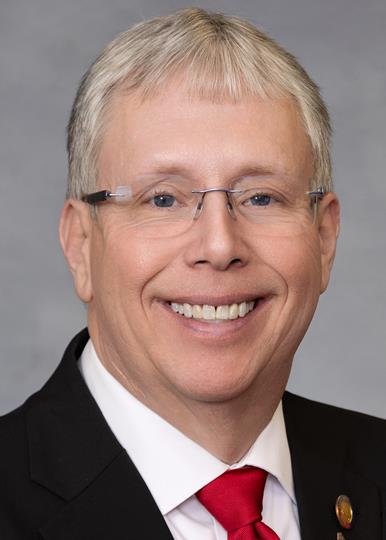
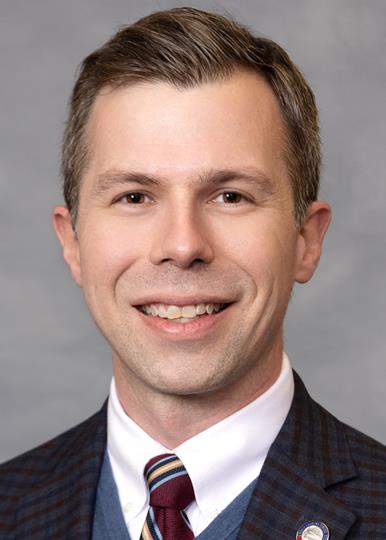
Mitchell Setzer
100% support rate
Top opponent
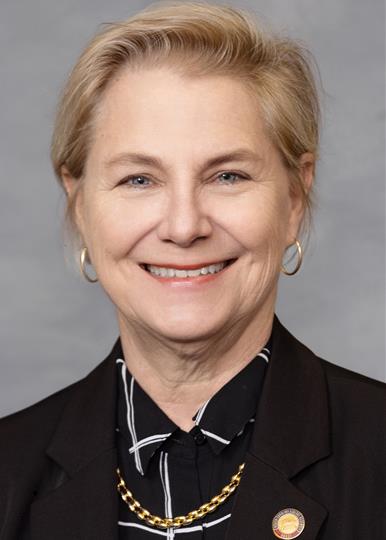
Amanda Cook
0% support rate
Ranked legislators
10
5 support · 5 oppose
Key legislators

Who's moving budget & taxes in North Carolina

Legislators moving budget & taxes in North Carolina
Legislator Party Stance Support rate Votes
Mitchell Setzer
Mitchell Setzer House · District 89
R
Strong +
100% 52
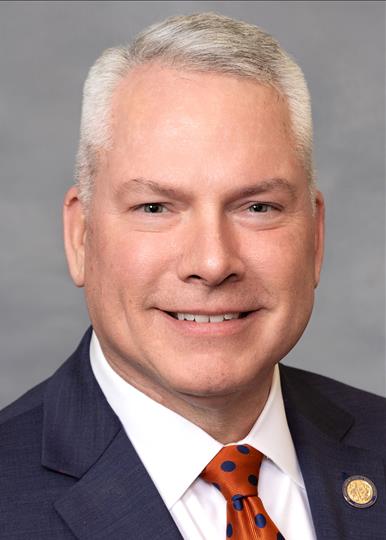
Grant Campbell
Grant Campbell House · District 83
R
Strong +
100% 50
Anna Ferguson
Anna Ferguson House · District 119
R
Strong +
100% 20
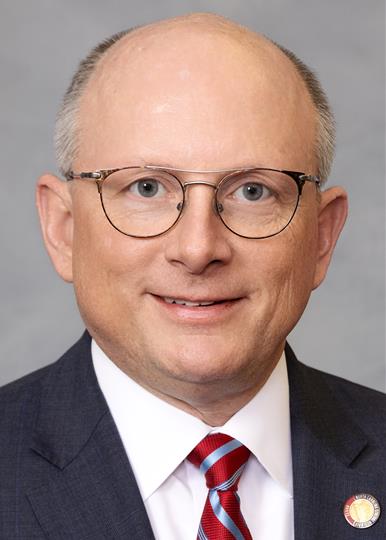
Tim Reeder
Tim Reeder House · District 9
R
Strong +
100% 51
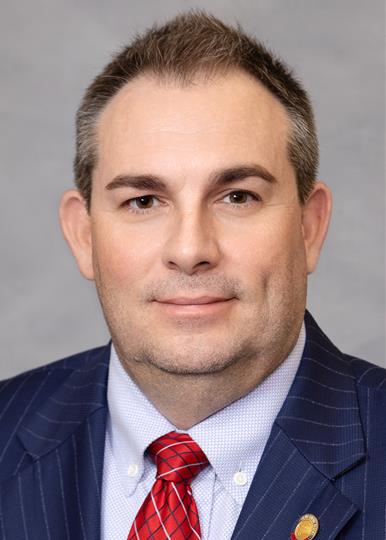
John Bell
John Bell House · District 10
R
Strong +
100% 50
Amanda Cook
Amanda Cook House · District 60
D
Strong −
0% 20
Monika Johnson-Hostler
Monika Johnson-Hostler House · District 33
D
Strong −
8% 52
Marcia Morey
Marcia Morey House · District 30
D
Strong −
8% 52
Phil Rubin
Phil Rubin House · District 40
D
Strong −
8% 51
Deb Butler
Deb Butler House · District 18
D
Strong −
8% 50
Showing 1–10 of 26 bills

All budget & taxes bills

in committee · North Carolina · House Jun 9, 2026

HB 1058: Deannexations/Limit Certain Powers.

This bill removes three specific parcels of land from the Village of Walnut Creek's jurisdiction, meaning these properties will no longer be subject to municipal taxes starting in 2026. It also limits the village's authority to exercise city-level powers only within its current, contiguous boundaries, though existing development rules in the excluded areas will remain in place temporarily. Additionally, the law validates any property transactions the village completed before this change takes effect, ensuring those past actions are considered legal.
died · North Carolina · Senate May 7, 2026

SB 842: CARDINAL Act.

The CARDINAL Act establishes a new state program that provides an additional $1,000 to children born in North Carolina between 2025 and 2028 who receive federal contributions into a specific type of savings account known as a Trump Account. To fund this initiative, the bill redirects $192 million from the state's existing Opportunity Scholarship Grant Fund Reserve, which was originally set aside for the 2026-2027 school year. The legislation also modifies the priority order for awarding opportunity scholarships in 2026-2027, ensuring that students who received grants in the previous year are processed first if funds are insufficient to cover all applicants.
in committee · North Carolina · House Jun 2, 2026

HJR 1030: US Department of Education.

This North Carolina joint resolution urges the U.S. Congress to eliminate the United States Department of Education by returning control of education to the states. The bill argues that federal involvement has led to excessive regulations and mandates without improving student reading scores, asserting that states are better equipped to handle education based on local needs. It also states that removing the department would not stop federal funding programs from reaching states but would instead allow taxpayer dollars to be used more efficiently. As a non-binding resolution, it does not directly change laws or allocate funds but serves as a formal statement of support for federal efforts to abolish the department.
passed · North Carolina · Senate Jun 9, 2026

SB 821: Deannex Property from Town of Waynesville.

SB 821 removes a specific property at 86 Magellan Drive from the official boundaries of the Town of Waynesville. The bill ensures that any unpaid taxes or special assessments on this land before the change remain valid and can still be collected. Starting July 1, 2026, the property will no longer be subject to municipal taxes imposed by the town.
in committee · North Carolina · Senate May 4, 2026

SB 1000: Environmental Management Commission Staffing.

This bill allows the chair of North Carolina's Environmental Management Commission to hire temporary employees using the state's Temporary Solutions Program. It updates the commission's staffing rules to give the chair more flexibility in acquiring short-term staff while keeping salary and travel expenses under existing state regulations. Additionally, the legislation reduces the recurring annual funding for dedicated commission staff by $5,000 from the state's General Fund. These changes directly affect the commission's administrative operations and its budget allocation for personnel.
Sub-Topics State Budget
passed · North Carolina · Senate May 28, 2026

SB 846: Deannex Certain Property/Red Oak.

SB 846 removes two specific parcels of land from the official boundaries of the Town of Red Oak in North Carolina. The bill ensures that property owners within these parcels will no longer pay municipal taxes for the taxable year beginning July 1, 2026, and any future years. Additionally, the legislation clarifies that any outstanding tax liens or special assessments from before the effective date remain valid and can still be collected or enforced.
in committee · North Carolina · Senate May 4, 2026

SB 967: Budget Requirement for Tax Triggers.

This bill requires the North Carolina General Assembly to adopt a full spending plan before it can lower tax rates. If the state collects more revenue than specific thresholds set for each fiscal year, the income tax rate will automatically decrease by 0.5% or drop to a minimum of 2.49%, whichever is higher. These automatic reductions would take effect in the tax years following the fiscal year in which the revenue targets are exceeded, starting in 2027. The law applies to future tax years through 2034 and uses final revenue figures reported by the Office of State Controller to determine if the trigger is met.
in committee · North Carolina · House Apr 30, 2026

HB 1120: Financial Effectiveness and Transparency Act.

This bill redirects $6.75 million in state funding from the Carolina Pregnancy Care Fellowship to evidence-based maternal and infant health programs administered by the Department of Health and Human Services. It requires crisis pregnancy centers receiving state funds to submit detailed annual reports on their finances, staffing, and client services, while also mandating that these centers provide free copies of client records upon request. The legislation defines crisis pregnancy centers as nonprofit organizations offering pregnancy care and counseling but excludes facilities that perform abortions. These changes are designed to increase transparency and shift financial support toward specific public health initiatives starting in the 2026-2027 fiscal year.
signed · North Carolina · House May 21, 2026

HB 1089: Constitutional Amendment Property Tax Levy Limit.

This bill proposes a constitutional amendment that would require the North Carolina legislature to establish a statewide limit on how much local property tax levies can increase each year. The measure also mandates that any local government wanting to raise property taxes beyond this limit must first obtain approval from a majority of voters in that specific area. Because this change alters the state constitution, it will not take effect immediately but will instead be placed on the November 3, 2026, ballot for voters to decide whether to adopt. If approved by the public, the amendment would legally bind the General Assembly to create the specific tax increase caps mentioned in the text.
passed · North Carolina · Senate Jun 9, 2026

SB 832: Washington Deannexation.

This bill removes a specific 18.93-acre parcel of land from the official boundaries of the City of Washington in Beaufort County, North Carolina. The property is defined by a detailed survey with precise coordinates and distances, and the change will take effect on June 30, 2026. Once the bill becomes law, the land will no longer be subject to municipal taxes imposed for taxable years beginning on or after July 1, 2026, although any outstanding tax liens from before that date will remain valid.
Showing 1 to 10 of 26 bills
1 2 3 Next