

Maddy summaryThis bill allocates $319 million from the state's General Fund to North Carolina's Medicaid program to cover anticipated changes in enrollment, service costs, and federal funding rates. The money is designated for the Department of Health and Human Services to use starting in the 2025-2027 fiscal year, with the funding officially beginning retroactively on July 1, 2025. By adjusting available funds based on projected healthcare shifts, the legislation aims to ensure the Medicaid program has sufficient resources to operate as demographics and costs evolve.

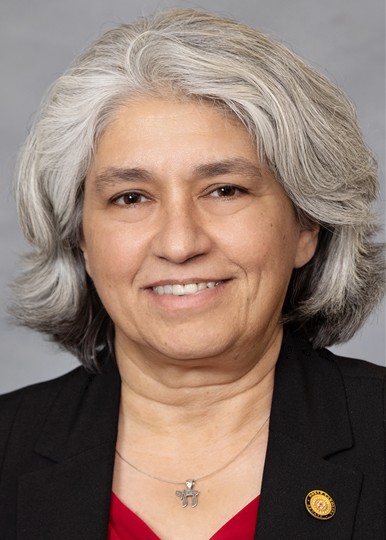
Sen. Lisa Grafstein
Sponsored bills
Maddy summaryThis North Carolina bill requires that the salaries of state legislators be held in escrow if the General Assembly does not pass a budget by June 30, 2026. If the Senate and House do not ratify a state budget for the 2026-2027 fiscal year by that deadline, the pay earned by legislators from July 1, 2026, forward will be withheld. The withheld funds will be released only after the legislature ratifies a budget or adjourns for the year. The legislation also sets aside ten thousand dollars to cover the administrative costs of managing the escrow account.
Maddy summaryThis North Carolina bill increases Medicaid reimbursement rates for personal care services and private duty nursing starting in the 2026-2027 fiscal year. The legislation allocates $120.8 million in state funds to raise the payment for personal care services to $7.50 per 15-minute increment, while also increasing the rate for private duty nursing to $16.25 per 15-minute increment. These higher rates are intended to cover additional federal matching funds, ensuring that providers receive more money for each hour of care delivered to eligible beneficiaries. The changes apply to various programs including the State Plan Personal Care Services Program and Community Alternatives Programs for children and adults.
Maddy summaryThis North Carolina bill aims to address public safety staffing issues by increasing salaries for state law enforcement and correctional officers, with changes taking effect in July 2026. It establishes new mental health benefits, including 12 confidential annual visits per year, and creates peer support programs to assist officers with stress and burnout. The legislation also introduces retention bonuses for correctional officers and provides grants to help local governments offer comparable pay increases to their own employees. Funded through state appropriations, the bill requires regular reporting on staffing levels, vacancy rates, and the usage of mental health services.
Maddy summaryThis North Carolina bill establishes a new regulatory framework specifically for large nonresidential electricity customers who consume 50 megawatts or more. It requires electric utilities to file tariffs that include strict contract terms, such as a minimum 20-year service agreement, mandatory load usage guarantees, and significant upfront payments to cover the cost of infrastructure upgrades needed to serve these clients. The legislation also mandates that these customers pay exit fees if they terminate service early or fail to meet their contracted energy demands, ensuring that other ratepayers are not financially burdened by their departure. Additionally, the bill creates a program allowing these large customers to purchase dedicated clean energy resources while ensuring that residential and small commercial customers are neither advantaged nor disadvantaged by these arrangements.
Maddy summaryThis North Carolina bill aims to improve access to affordable child care by increasing subsidy rates and providing financial support to providers. Starting in October 2026, the state will raise payment rates for licensed centers and homes to match the 75th percentile of market rates, with a specific provision to maintain higher local rates in counties with very few children if the statewide rate would be too low. The legislation appropriates $110 million in recurring funds to implement these rate increases and reinstitutes a $50 million stabilization grant program to help providers with compensation. Additionally, the bill allocates $50 million for matching grants to counties and private employers for physical improvements and capacity expansion, and $60 million for a two-year pilot program that offers subsidies to help child care workers afford care for their own children. To qualify for the worker assistance pilot, providers must be full-time employees earning below 85% of the state median income, and the program requires a 25% match from the employer while prioritizing areas with the highest unmet demand for care.
Maddy summarySB 1030 expands North Carolina's Weatherization Assistance Program for low-income families by requiring health and safety improvements, such as better indoor air quality measures, alongside standard energy efficiency upgrades. The bill authorizes community-scale projects that target multiple homes in neighborhoods facing shared environmental or economic challenges, allowing local agencies and utilities to submit proposals for these initiatives. To fund these changes, the legislation appropriates $10 million for the 2026-2027 fiscal year, with rules established to prioritize projects that maximize energy savings and address housing vulnerabilities.
Maddy summaryThis bill creates a special fund within the state's Highway Fund to provide financial relief to airport workers in North Carolina who lose pay due to federal funding lapses. The program offers interest-free loans to eligible airports, which then distribute funds to Transportation Security Officers and Air Traffic Controllers who have not been paid for at least 14 consecutive days. These loans are designed to be automatically repaid when the federal government issues back pay to the affected workers. The state has appropriated $25 million for this purpose, and the Department of Transportation will oversee the fund's administration and reporting requirements.
Maddy summaryThis bill aims to lower healthcare expenses and shield patients from unexpected financial burdens by establishing new rules for insurance plans and medical billing. It directly affects individuals with health insurance, hospitals, and insurance companies operating in North Carolina. Key provisions include capping annual out-of-pocket costs for prescription drugs at $2,000, prohibiting surprise billing for nonemergency care at in-network facilities, and delaying the reporting of unpaid medical bills to credit agencies until 180 days past due. Additionally, the legislation requires hospitals to publicly report negotiated prices for common medical procedures and mandates that emergency ground ambulance services be covered under standard health benefit packages.
Maddy summaryThis bill creates a special fund to protect North Carolina state employees from having their take-home pay reduced if their health insurance premiums rise. To achieve this, the state will transfer $150 million from scholarship reserves to the new fund, which will be used to supplement employee compensation and maintain their net income. The State Treasurer, in consultation with the Office of State Human Resources, will manage the fund and establish rules for its administration. The law takes effect on July 1, 2026, and applies specifically to participants in the North Carolina State Health Plan for Teachers and State Employees.