

Maddy summaryThis bill establishes two main programs to improve mental health support in North Carolina public schools. First, it creates a grant program that provides $50 million to school districts to hire mental health professionals, prioritizing areas with students who have limited access to care. Second, it launches a loan repayment program offering $50 million to encourage mental health workers who graduated from UNC system schools to work in high-need areas by paying off up to 20% of their student debt over five years. The legislation includes reporting requirements to track how funds are used and to recommend future improvements.
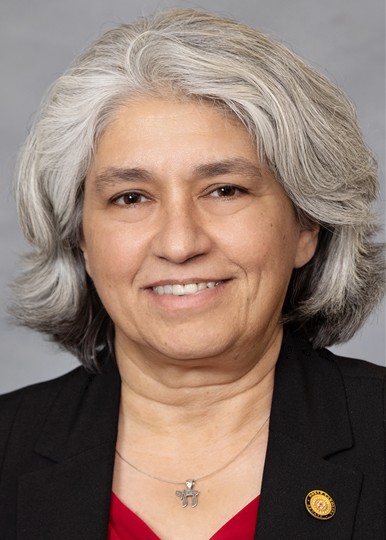
Sen. Lisa Grafstein
Sponsored bills
Maddy summaryThis bill, known as the Save SNAP Act, provides state funding to North Carolina's Department of Health and Human Services and its county partners to offset financial losses caused by recent federal changes to the Supplemental Nutrition Assistance Program. The legislation appropriates $16 million for state administrative costs and $69 million for county-level operations, ensuring these programs can continue despite reduced federal reimbursements. Additionally, the bill allocates $10 million to create a grant program that encourages innovative projects aimed at reducing errors in SNAP benefit payments. All funding is set to begin in the 2026-2027 fiscal year, with spending strictly limited to the actual amount of lost federal receipts.
Maddy summaryThis bill repeals a North Carolina law that currently bans public employees from collectively bargaining with their employers. By removing this prohibition, the legislation allows government workers to negotiate contracts with unions or labor organizations representing them. The act also allocates $100,000 from the state General Fund to educate public employees about these new rights starting July 1, 2026.
Maddy summaryThe BUMP Act directs North Carolina's Department of Health and Human Services to provide free, evidence-based education on stillbirth prevention to pregnant patients and train prenatal care providers on monitoring fetal movement and managing related risks. Funded by $400,000 in recurring state money, the bill requires educational materials in English and Spanish to be given to all pregnant women, while also offering training for medical staff on recognizing warning signs like decreased fetal movement. Additionally, the legislation allocates $200,000 to launch a statewide "Count the Kicks" public awareness campaign that prioritizes outreach in areas with higher stillbirth rates to encourage expectant parents to track fetal movements. These measures aim to improve maternal and fetal outcomes by promoting awareness of risk factors and ensuring consistent clinical responses to potential complications.
Maddy summaryThis bill reenacts North Carolina's state Earned Income Tax Credit (EITC) by updating the relevant law to apply for future tax years. It allows eligible low-to-moderate income individuals to receive a credit equal to 20% of their federal EITC amount, with the specific percentage varying based on the tax year. The credit is refundable, meaning taxpayers can receive a cash payment even if it exceeds their state tax liability, and the legislation includes a provision to automatically repeal the credit starting in 2014, which is overridden by the bill's effective date of January 1, 2026.
Maddy summaryThe Keep Families Fed Act directs $6 million in recurring state funding to six specific nonprofit food banks across North Carolina starting in the 2026-2027 fiscal year. These funds are distributed in equal amounts to each organization to help address food insecurity by supporting their existing programs. The legislation ensures that these vital food security initiatives receive guaranteed state support regardless of future annual budget decisions.
Maddy summaryThis North Carolina legislation appropriates three million dollars in recurring funds to the Department of Public Safety for the 2026-2027 fiscal year. The funds are designated to expand and promote the Community Emergency Response Team (CERT) program, which trains volunteers to assist during emergencies. The Division of Emergency Management will use these resources to partner with local community organizations to conduct training sessions and develop outreach strategies. These measures aim to encourage greater community participation in emergency preparedness training programs.
Maddy summaryThis bill directs the North Carolina Department of Health and Human Services to add 1,000 slots to the state's Medicaid Innovations Waiver, which provides alternative care options for individuals with disabilities. To support this expansion, the legislation appropriates $36.2 million in recurring funds from the state's General Fund starting in the 2026-2027 fiscal year. The changes are scheduled to take effect on July 1, 2026, allowing more eligible residents to access services under the waiver program.
Maddy summaryThis North Carolina legislation prohibits businesses from using personal data to set individualized prices for essential goods and services such as food, water, and hygiene products. The law defines the banned practice as using automated systems to collect information like browsing history or income to vary prices for different customers within the same day. Exceptions are allowed for loyalty discounts, shipping costs, and group-specific rates for categories like seniors or military personnel. Violations will be treated as unfair trade practices, and state funding has been allocated to support enforcement and public education beginning in October 2026.
Maddy summaryThis bill authorizes the town manager of Garner, North Carolina, to settle specific legal claims without needing prior approval from the town council. It raises the limit for settling personal injury or property damage claims from $100 to $10,000, provided the settlement does not exceed the actual loss incurred. Additionally, the town manager can settle debts owed to the town up to $10,000 and handle eminent domain claims within the budgeted amount for approved projects. All settlements must be reviewed by the town attorney and reported to the council, and they will fully release the town from further liability regarding those specific claims.