

Maddy summaryHB 491 prepares North Carolina's Medicaid program to implement work requirements if authorized by the federal Centers for Medicare and Medicaid Services (CMS). It requires the state's Division of Health Benefits to negotiate with CMS, notify oversight committees within 30 days of starting talks, and submit detailed reports after CMS approves any work requirements plan. The bill does not enact work requirements itself but establishes procedures for future implementation, including timelines for reporting funding needs. This would directly affect current Medicaid recipients if CMS approves work requirements, though the bill is procedural and conditional on federal approval. The legislation is currently in committee review and has not yet become law.
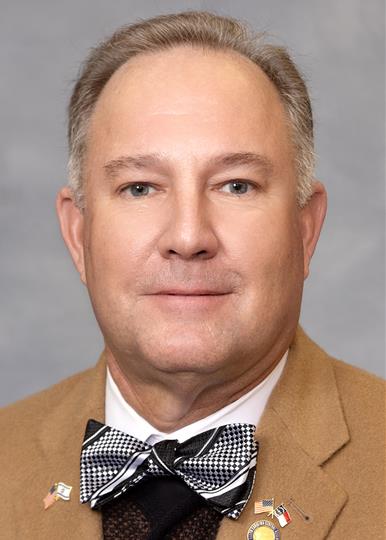
Rep. Jeff McNeely
Sponsored bills
Maddy summaryHB 13 prohibits North Carolina merchants from charging customers more for credit or debit card payments than what the merchant pays to process those transactions. It directly affects retailers and service providers in the state, requiring them to disclose any card fees clearly in advertisements if they impose them. The law mandates that merchants cannot add a markup to processing costs charged by payment networks (like Visa or Mastercard), and violations could result in civil penalties up to $5,000 per offense. The bill takes effect October 1, 2025, aiming to prevent unfair surcharges on card payments.
Maddy summaryHB 118 modifies North Carolina's property tax exemption for disabled veterans, replacing a flat $45,000 exclusion with a percentage-based system tied to the veteran's VA disability rating. It directly affects veterans with a 50% or higher service-connected disability rating (or surviving spouses under specific conditions), allowing them to exclude a portion of their home's appraised value from property taxes - equal to their disability percentage. For example, a veteran with a 70% disability rating would exclude 70% of their home's value from taxes. The bill takes effect for taxes due in 2025 and prohibits combining this relief with other property tax exemptions.
Maddy summaryThis bill revises North Carolina's burglary and breaking-and-entering laws to increase penalties when a firearm or deadly weapon is used. It raises the felony classification by one level for offenses like burglary (first/second degree), breaking out of a dwelling at night, or entering a building with intent to commit a felony or terrorize occupants, if a weapon was present during the crime. The law directly affects individuals convicted of these specific offenses when a firearm was involved, not the general public. It does not change sentencing for weapon-free offenses or address police pay, despite the title "Back the Blue Pay Act" suggesting otherwise. The changes take effect December 1, 2025.
Maddy summaryHB 402 requires North Carolina state agencies to assess the financial impact of proposed permanent rules. If a rule would cost affected individuals or businesses $20 million or more over five years, it must be approved by the General Assembly before taking effect. For rules with a $1 million or more annual cost impact, agencies must prepare a fiscal note for review by the Office of State Budget and Management. The bill also mandates a two-thirds vote by agency boards to adopt rules exceeding the $1 million cost threshold. This directly affects state agencies creating regulations and the businesses or residents who would bear the costs of those rules.
Maddy summaryHB 193 would allow certain employees and volunteers at nonpublic schools (including private/religious schools) to carry firearms or stun guns on school property if authorized by the school board, trained in gun safety, and following written school policies. It also permits concealed handgun carry on school grounds only when attending religious services or ceremonies at affiliated places of worship (e.g., churches), outside school hours or during designated events. The bill increases penalties for assaulting elected officials or law enforcement officers and requires judges - not prosecutors - to set pretrial release conditions for such offenses. Currently withdrawn from committee after a first reading, this bill has not become law.
Maddy summaryHB 318 requires North Carolina county jails and detention facilities to check the immigration status of individuals charged with specific offenses (including certain felonies, misdemeanors, and impaired driving) and to notify U.S. Immigration and Customs Enforcement (ICE) if a detainer is issued. If ICE issues a detainer, facilities must hold the person for up to 48 hours (or until ICE takes custody) and notify ICE 2 hours before the person would otherwise be released. For pretrial defendants facing similar charges, the bill mandates a two-hour hold to allow ICE to issue a detainer; if none is received, the defendant must be released. The law also shields state officials from liability when following these procedures.
Maddy summaryHB 549 clarifies the State Auditor's authority by exempting the Office of the State Auditor from certain financial oversight laws and IT procurement rules. It specifies that the Auditor can access all state agency records (including digital data), investigate misuse of public funds, and refer certain cases to other agencies like the State Ethics Commission. The bill directly affects the State Auditor’s office, state agencies, and publicly funded entities that handle state or federal funds. These changes streamline the Auditor’s ability to conduct audits and investigations while maintaining clear boundaries for their oversight role.
Maddy summaryHB 546 modernizes North Carolina's Medicaid program by requiring the state to develop team-based care coordination for individuals with alcohol and opioid use disorders, including screening, medication, and recovery support. The bill also allows telehealth-only providers to enroll in Medicaid without needing a physical office in the state and mandates a statewide specialty plan for children in foster care or receiving adoption assistance, to be implemented by December 2025. These changes directly affect Medicaid beneficiaries with substance use disorders, telehealth providers, and eligible children and families. The Department of Health and Human Services must report on the implementation of the substance use care and telehealth provisions by October 1, 2025.
Maddy summaryHB 559 modifies fees for elevator and amusement device inspections in North Carolina to address a backlog of over 3,000 overdue inspections and staffing shortages. It establishes new, capped fee schedules for routine elevator inspections ($200-$300 depending on building size), amusement rides, and related services, effective July 2025. Fees will automatically adjust annually based on the Consumer Price Index (CPI) starting in 2026, with increases published 60 days in advance. The bill ensures all fees are collected directly from building owners/operators and used exclusively to fund inspections, permitting, and training - without new taxpayer costs or fee reversions.