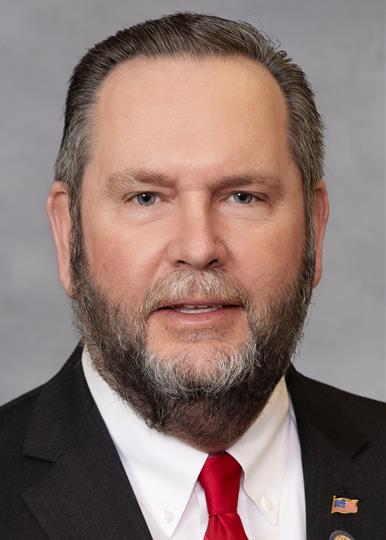
This North Carolina bill requires all private employers with 25 or more employees to use the federal E-Verify system to check the work authorization of every new hire. It mandates that state and local government agencies also comply with these verification rules and allows employers to avoid penalties if they can prove they acted in good faith and did not knowingly accept fraudulent documents. The legislation establishes a 30-day grace period for employers to fix minor compliance errors and increases fines for repeat offenders while protecting workers who report suspected violations from retaliation. Additionally, it grants the state labor commissioner the authority to conduct random or risk-based audits of employers and provides funding to support enforcement efforts.
This bill repeals a previous law that expanded cooperation between local jails and federal immigration enforcement and instead requires federal agents to obtain a judicial warrant based on probable cause before making immigration arrests or conducting searches within North Carolina. It also prohibits state and local facilities from holding individuals solely on federal immigration detainers past their normal release date and directs $4 million in funding to four nonprofit organizations to provide legal services for immigrants facing removal proceedings, asylum claims, and status stabilization. By mandating judicial oversight for enforcement actions and supporting community-based legal aid, the legislation aims to limit warrantless civil immigration operations while maintaining cooperation for valid criminal warrants.
This bill, known as the Plyler Educational Protections Act, ensures that all children in North Carolina public schools receive equal access to education regardless of their immigration status or their parents' citizenship. It prohibits schools from denying enrollment, excluding students from programs, or asking for documentation related to a student's or parent's immigration history, with limited exceptions for legal warrants or parental consent. To enforce these protections, the legislation requires schools to create specific action plans that designate a single point of contact for immigration authorities and establish clear procedures for handling their requests on campus. Additionally, the bill mandates that schools notify parents within 24 hours if immigration officials visit the school and provides guidelines for sharing student information only when legally required or authorized.
This bill establishes strict privacy rules for immigration data held by North Carolina state agencies, limiting when such information can be shared with law enforcement or other government entities. Under the new law, state departments may only release immigration records if the individual provides consent or if a court issues a valid order, subpoena, or warrant. Additionally, the bill requires agencies to notify individuals within three business days when their data is requested and to submit annual reports detailing all such requests to the Attorney General. To support these changes, the legislation appropriates $1.5 million starting in the 2026-2027 fiscal year to fund necessary technology updates, staff training, and compliance reporting.
This bill creates a new fund within the North Carolina Department of Commerce to help high-skilled immigrant workers pay for the costs of keeping their legal work status, such as visa renewal fees and legal processing expenses. To qualify for reimbursement grants, individuals must live and work in North Carolina and meet specific criteria related to their education, job type, or visa classification. The state has allocated one million dollars in recurring funds starting in the 2026-2027 fiscal year to cover these grants and administrative costs. The Department of Commerce will be responsible for setting the rules for eligibility and managing the program.
This North Carolina bill prohibits cities, counties, and local or state law enforcement agencies from entering contracts to detain noncitizens in locked immigration facilities for civil immigration cases. It also bans these agencies from maintaining facilities specifically designed to house individuals awaiting removal proceedings under federal authority. To support oversight, the Department of Public Safety must collect and report annual data on detainees, including demographics, legal status, and release or deportation details. The law includes funding for administrative costs and is set to take effect on December 1, 2026.
HB 1183, titled 'Defend NC,' prohibits North Carolina law enforcement agencies and officers from assisting U.S. Immigration and Customs Enforcement in arrests or serving removal warrants. The bill also directs state agencies to explore alternatives for health and education funding lost due to federal cuts and mandates a study to potentially create a new state health research institute. Additionally, it temporarily exempts certain tariff-affected goods from sales tax in 2026 and includes general statements of intent to protect Medicaid eligibility and uphold federal promises to North Carolinians.
SB 820, the Safe Schools and Educational Access Act, aims to protect students in North Carolina public schools and colleges from discrimination based on their immigration status or national origin. The bill prohibits schools from denying enrollment or sharing student information with immigration authorities unless a judge orders it, effectively designating schools as safe zones for learning. Additionally, the legislation allocates $181 million in state funding to support services for students with limited English proficiency, such as hiring bilingual teachers and providing translation resources.
This bill establishes strict conditions under which North Carolina law enforcement agencies can enter into agreements with federal immigration authorities, requiring that federal agents adhere to specific state laws and operational limits. Key provisions mandate that federal agents must be clearly identified, cannot conduct enforcement near schools or polling places, and generally cannot enter homes or use surveillance technology without a valid judicial warrant. Additionally, the legislation requires a judicial warrant for any federal immigration enforcement action within the state, with exceptions only for valid criminal warrants. To support local implementation, the bill also appropriates $40 million to counties for hiring additional law enforcement and corrections personnel.
This bill repeals a previous law that expanded cooperation between local jails and federal immigration enforcement and requires a judicial warrant based on probable cause before federal agents can arrest, search, or detain individuals within North Carolina. It also prohibits state and local facilities from holding people solely on immigration detainers beyond their scheduled release time and allows local law enforcement to decline cooperation with federal immigration requests. To support these changes, the legislation appropriates four million dollars to fund legal services for immigrants, specifically directing grants to four nonprofit organizations for representation, asylum applications, and community legal education. The measures are designed to increase transparency in enforcement actions and restore community trust by limiting the use of administrative warrants and ensuring access to legal counsel.