

Maddy summaryHB 612, the "Fostering Care in NC Act," updates North Carolina's laws governing child abuse, neglect, and dependency cases. It expands the definition of "abused juveniles" to include specific offenses like sexual crimes, human trafficking, and certain violent acts, affecting how cases are classified. The bill requires county social services directors to use either a family-centered assessment or a formal investigation when reviewing reports, and to collect military affiliation details of the juvenile's caregiver. It also clarifies that court jurisdiction over juveniles continues until age 18, emancipation, or death. These changes standardize responses to child welfare reports and improve information gathering for safety decisions.
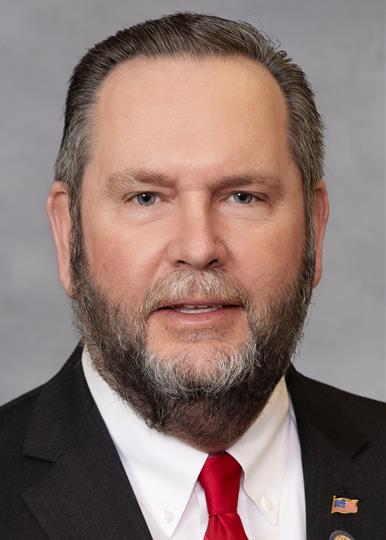
Rep. Alan Branson
Sponsored bills
Maddy summaryHB 247 updates North Carolina's Underground Utility Safety and Damage Prevention Act to improve safety for construction and utility work. It requires utility companies (facility operators) to mark underground utility locations within 3 business days (10 days for underwater facilities) and sets clearer deadlines for excavators to provide notice before digging. The bill defines key terms like "soft dig technologies" (using air/water to dig) and "safety buffer zones" around utilities to reduce damage risks. These changes directly affect construction crews, utility companies, and contractors performing excavation work across the state.
Maddy summaryHB 373 allows University of North Carolina (UNC) institutions to offer tuition discounts to two specific groups: military students receiving federal or North Carolina National Guard tuition assistance, and students enrolled in employer-sponsored financial support programs approved by UNC. The discount covers the difference between the military/employer funding and full tuition, without creating new free tuition programs. UNC must report annually to the legislature on the number of students receiving these discounts and their financial impact on institutions. The policy takes effect for the 2025-2026 academic year.
Maddy summaryHB 91 amends North Carolina statutes to include the U.S. Space Force in the definition of "Armed Forces" for state benefits, ensuring Space Force members and their families qualify for military-related tax exemptions, tuition assistance, and residency rules. The bill also changes the name of Fort Bragg to Fort Liberty to align with the U.S. Department of Defense's renaming of the base. These updates reflect the federal establishment of the Space Force and ensure state law matches current military structure and base designations.
Maddy summaryHB 251 prohibits North Carolina state agencies from denying disaster recovery assistance (like grants) based on a person's political affiliation or political speech. It applies to all applicants for state disaster aid, including U.S. citizens, nationals, and qualified aliens, and sets penalties of a Class I felony for violations. The bill also defines "temporary housing" (such as trailers or tents) and adds criminal penalties for stealing such housing during declared emergencies. These changes aim to ensure state disaster aid is distributed fairly and protect emergency housing resources.
Maddy summaryHB 421 clarifies North Carolina's motor vehicle dealer licensing rules. It extends the license renewal grace period from 30 to 60 days after expiration, requiring the Division to issue temporary licenses during this time. The bill also aligns dealer license plate renewals with dealer license cycles (now two years) and mandates that dealer plates be replaced every three to four years. These changes directly affect all licensed motor vehicle dealers in North Carolina who must renew licenses or plates. The bill takes effect October 1, 2025.
Maddy summaryHB 348 extends the period for carrying forward deferred property taxes on agricultural, horticultural, and forest land from three to six years. It creates local grant programs for counties and cities, using the excess tax funds generated by this change, to provide financial support to qualifying farmers for farm sustainability. The bill also requires cities to obtain county commission approval before annexing land classified under present-use value taxation. These provisions directly affect farmers who qualify for present-use value property taxation and local governments managing tax funds and annexation decisions.
Maddy summaryHB 480 creates a new pathway for doctors, physician assistants, and anesthesiologist assistants to obtain North Carolina medical licenses by transferring licenses from other states ("licensure by endorsement"). To qualify, applicants must have held an active license in another U.S. jurisdiction for at least five years (with two years of practice post-residency for doctors), have a verified full-time job offer in North Carolina, maintain good standing with no recent disciplinary actions, and meet practice hour requirements. The bill increases application fees for endorsement (e.g., $825 for physicians vs. $400 for standard licensure) and requires additional documentation within 180 days to keep the license active. This directly affects out-of-state medical professionals seeking to practice in North Carolina without retaking exams.
Maddy summaryHB 126 requires state and local agencies to seek input from agricultural advisory boards before condemning or rezoning farmland within voluntary agricultural districts. It mandates that agencies request public hearings on such proposals, giving boards 45 days to review and submit recommendations. Agencies cannot proceed with condemnation or rezoning actions while the board is processing the request, extending the timeline to 120 days after the board submits its findings. The bill directly affects landowners in these districts and agencies making land use decisions, effective October 1, 2025.
Maddy summaryHB 50 creates two new options for retired state and local law enforcement officers with at least 30 years of service or 55 years old with 5+ years of service. It allows officers retiring before age 62 to choose between two calculation methods for an annual separation allowance: either 0.85% of their most recent base pay for each year of service, or a fixed amount based on pay at 30 years of service. The allowance stops when officers turn 62 or pass away. This directly affects qualifying law enforcement officers who retire under North Carolina's state retirement system.