

Maddy summaryHB 927 allocates $31.7 million in state funds to Durham City and County for specific projects in the 2025-2026 fiscal year. It provides $30 million for Durham County to upgrade wastewater infrastructure in Research Triangle Park, $500,000 for city park maintenance, and $500,000 for repairing rural roads in Durham County. The bill also funds court system modernization, including $503,481 for eCourts staffing and $500,000 for a legal support center to improve access to justice. Additionally, it requires the Department of Transportation to study road funding criteria for rural areas to ensure equitable project prioritization. These funds directly support Durham residents through enhanced infrastructure, public services, and court efficiency.
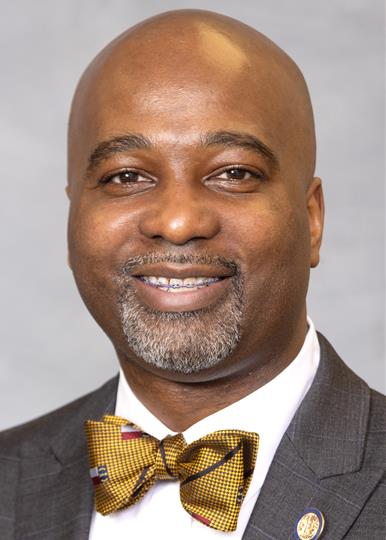
Rep. Zack Hawkins
Sponsored bills
Maddy summaryHB 951 requires North Carolina to use state-owned property for childcare, directly affecting state employees, first responders, and community college staff/students. It mandates that new or renovated state buildings costing over $5 million include childcare or adult care centers if serving 250+ people, and creates a $5 million pilot program to establish three state employee childcare centers on unused state property. The bill also allocates $6 million for county grants to fund third-shift childcare for first responders in unused county buildings and requires feasibility studies for childcare at all community colleges and UNC campuses. These provisions include specific funding, reporting deadlines, and requirements for apprenticeship programs linking childcare centers with educational institutions.
Maddy summaryHB 937 allocates $11 million annually from North Carolina's sports betting tax revenue to provide salary supplements for public school athletic coaches. It requires eligible public school units to ensure each full-time coach receives a combined total of at least $3,000 per year in state and local funds, with schools maintaining prior non-state funding levels for coaches. Schools that replace state funds with local money forfeit future state allocations, and unspent funds flow to the North Carolina YMCA Alliance for youth sports programs. The bill applies to all public school athletic coaches meeting specific eligibility criteria and takes effect for the 2025-2026 school year.
Maddy summaryHB 887 defines "abandoned vessels" (left unattended >30 days without permission) and "derelict vessels" (in poor condition, like wrecked or sinking), directly affecting vessel owners and operators in North Carolina. It creates new rules requiring vessels to be secured properly to avoid damaging waters or property, limits docking in state waters to 10 days within any 30-day period, and gives the Commission authority to remove abandoned or derelict vessels from public or private land/waters without liability. The bill includes exceptions for historic shipwrecks under state custody and vessels abandoned during emergencies, where owners must notify authorities and remove the vessel within 10 days. This legislation aims to address safety and environmental risks posed by neglected vessels.
Maddy summaryHB 888 appropriates $1 million from the General Fund to the North Carolina Community Health Worker Association (a nonprofit) for the 2025-2026 fiscal year. The funds will directly support the Association's work in mobilizing, training, and certifying community health workers across North Carolina. This grant enables the Association to expand its workforce development efforts, specifically targeting the training and certification of community health workers. The bill affects the Association's operations and the community health workers they certify, but does not change health service delivery or eligibility for residents. The appropriation becomes effective July 1, 2025.
Maddy summaryHB 910 creates a $2 million recurring grant program to increase teacher diversity in North Carolina public schools, primarily benefiting school districts, colleges, and community organizations. The bill funds partnerships that support recruitment, training, and retention of educators of color through specific initiatives like dual enrollment programs, paid clinical experiences, mentorship, and financial aid for aspiring teachers. Grants require evidence-based proposals addressing recruitment or retention gaps and must include long-term sustainability plans. Local school systems and institutions of higher education will administer the program, with annual reporting required to track progress toward diversifying the educator workforce.
Maddy summaryHB 954 creates a State Critical Infrastructure and Construction Resiliency Fund to support disaster recovery and preparedness. It requires counties that experienced a Governor-declared Type I, II, or III disaster in the past three years to redirect 5% of their annual highway use tax revenue into the fund. The Governor can use these funds for new infrastructure projects and resiliency efforts in disaster-affected areas, as well as for state/local response activities following a federal disaster declaration under the Stafford Act. This directly affects eligible counties and their residents by providing dedicated resources for rebuilding and preventing future disaster impacts.
Maddy summaryHB 931 limits towing fees to reasonable and clearly disclosed amounts, prohibits charging storage fees when towing companies are closed, and bans towing to locations without 24-hour vehicle recovery access. It requires towing companies to accept debit/credit/cash payments without processing fees exceeding 2% of the total. The Utilities Commission enforces these rules, imposing up to $5,000 penalties per violation for noncompliance. This bill directly affects towing companies and vehicle owners in North Carolina by regulating fee practices and payment options.
Maddy summaryHB 933 increases Medicaid rates to ensure direct care workers for people with intellectual or developmental disabilities earn at least $18 per hour, affecting home/community providers, group homes, and waiver programs like NC Innovations. It adds 1,000 slots to the NC Innovations waiver program (with $36 million in annual state funding) and requires a 10-year plan to address unmet service needs. The bill also removes income and resource limits for Medicaid eligibility under the Health Coverage for Workers with Disabilities program. These changes take effect July 1, 2025, with $183 million in annual state funding supporting the wage increases and $36 million for new waiver slots.
Maddy summaryThis bill increases law enforcement and judicial resources in Mecklenburg County by funding 12 additional State Trooper positions and five new magistrates, effective July 1, 2025. It also raises minimum fines for drivers who fail to stop for school buses and establishes vehicle registration records as preliminary evidence of who was driving during such violations. Additionally, the bill expands the operating hours of the Metrolina Transportation Management Center and creates new rules for accessing highway camera footage, limiting public disclosure to specific individuals directly involved in incidents captured by the cameras.