

Maddy summaryHB 762 modernizes North Carolina's mortgage licensing rules under the S.A.F.E. Act and adjusts fee limits for second or junior lien loans. It directly affects mortgage lenders offering these second mortgages by requiring their fees to align with federal qualified mortgage standards. The bill modifies maximum permissible fees to better match federal requirements, aiming to reduce consumer costs and improve compliance. This change applies specifically to loans secured by a second or junior lien on residential properties. The bill focuses on policy adjustments without altering licensing processes or consumer protections beyond fee structures.
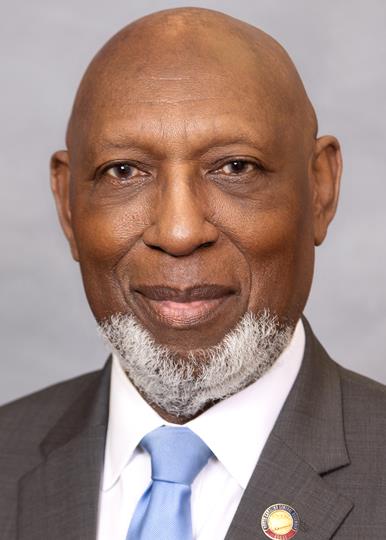
Rep. Shelly Willingham
Sponsored bills
Maddy summaryThis bill establishes an Interstate Medical Licensure Compact in North Carolina, allowing physicians who meet specific qualifications to obtain medical licenses in multiple participating states through a streamlined process. The law creates an Interstate Commission to oversee the compact and sets clear standards for physician eligibility, including requirements for medical school graduation, passing licensing exams, specialty certification, and a clean disciplinary record. While the compact simplifies licensing for qualified doctors, it maintains that each state retains authority to regulate medical practice within its borders and can take disciplinary action against physicians licensed through the compact. The bill does not alter existing state medical practice laws but adds an additional pathway for physicians to practice across state lines.
Maddy summaryHB 576 makes technical revisions to North Carolina's laws governing the Department of Health and Human Services (DHHS). It designates DHHS as the agency managing school nurse funds, requiring school nurses to focus solely on health services (like health education and emergency response) rather than instructional duties. The bill extends until June 2028 the temporary use of the federal health insurance marketplace for determining Medicaid eligibility, and clarifies that Medicaid coverage for people released from prison continues for up to 12 months post-release. It also updates Medicaid provider screening rules to align with federal standards, particularly for Indian Health Program providers.
Maddy summaryHB 590 establishes licensing requirements for medical imaging and radiation therapy professionals in North Carolina, directly affecting radiographers, radiation therapists, sonographers, and others performing these procedures. The bill creates a new "Medical Imaging and Radiation Therapy Board of Examiners" to set education standards, administer licensing exams, and ensure practitioners are "educationally prepared and clinically competent." It requires all non-licensed practitioners (e.g., radiographers, radiation therapists) to hold a state license before performing procedures involving ionizing radiation or medical imaging, with limited exemptions for licensed physicians. The law aims to protect patients by mandating standardized training and oversight for these technical roles.
Maddy summaryHB 612, the "Fostering Care in NC Act," updates North Carolina's laws governing child abuse, neglect, and dependency cases. It expands the definition of "abused juveniles" to include specific offenses like sexual crimes, human trafficking, and certain violent acts, affecting how cases are classified. The bill requires county social services directors to use either a family-centered assessment or a formal investigation when reviewing reports, and to collect military affiliation details of the juvenile's caregiver. It also clarifies that court jurisdiction over juveniles continues until age 18, emancipation, or death. These changes standardize responses to child welfare reports and improve information gathering for safety decisions.
Maddy summaryHB 247 updates North Carolina's Underground Utility Safety and Damage Prevention Act to improve safety for construction and utility work. It requires utility companies (facility operators) to mark underground utility locations within 3 business days (10 days for underwater facilities) and sets clearer deadlines for excavators to provide notice before digging. The bill defines key terms like "soft dig technologies" (using air/water to dig) and "safety buffer zones" around utilities to reduce damage risks. These changes directly affect construction crews, utility companies, and contractors performing excavation work across the state.
Maddy summaryHB 251 prohibits North Carolina state agencies from denying disaster recovery assistance (like grants) based on a person's political affiliation or political speech. It applies to all applicants for state disaster aid, including U.S. citizens, nationals, and qualified aliens, and sets penalties of a Class I felony for violations. The bill also defines "temporary housing" (such as trailers or tents) and adds criminal penalties for stealing such housing during declared emergencies. These changes aim to ensure state disaster aid is distributed fairly and protect emergency housing resources.
Maddy summaryHB 476 is a procedural bill focused on technical corrections and administrative updates to the State Treasurer's office operations. It does not introduce new policies or directly affect residents, but rather aims to fix minor errors or update existing procedures within the department's statutory framework. The bill is currently in committee review (referred to Judiciary and Pensions committees) and has passed its first reading. As a technical corrections bill, it involves no substantive policy changes or public impact.
Maddy summaryHB 421 clarifies North Carolina's motor vehicle dealer licensing rules. It extends the license renewal grace period from 30 to 60 days after expiration, requiring the Division to issue temporary licenses during this time. The bill also aligns dealer license plate renewals with dealer license cycles (now two years) and mandates that dealer plates be replaced every three to four years. These changes directly affect all licensed motor vehicle dealers in North Carolina who must renew licenses or plates. The bill takes effect October 1, 2025.
Maddy summaryHB 59 would increase the income eligibility limit for North Carolina's elderly or disabled property tax homestead exclusion from $25,000 to $48,000 for taxable years beginning July 1, 2026. This change would directly affect homeowners aged 65 or older, or those who are totally and permanently disabled, who meet other criteria (like being a North Carolina resident and owning their home as a permanent residence). The bill modifies the existing rule that currently limits eligibility to those with incomes under $25,000, raising the threshold to $48,000 while maintaining the exclusion amount as the greater of $25,000 or 50% of the home's appraised value. The change aims to expand access to this property tax relief for qualifying low-to-moderate income homeowners. (Note: The bill was withdrawn in June 2025 and has not become law.)