

Maddy summaryHB 96 creates a new process for property owners or their authorized representatives to quickly remove "unauthorized persons" (those occupying residential property without legal right, no rental agreement, and no rent paid) from their homes. To use this process, the property owner must complete a sworn affidavit at the courthouse ($25 fee) proving all legal conditions are met, then provide it to local law enforcement. Law enforcement must remove the person within 24 hours of receiving the affidavit. This applies only to residential property and excludes tenants who stayed past their lease term. The bill directly affects property owners, law enforcement agencies, and individuals occupying property without legal authorization.

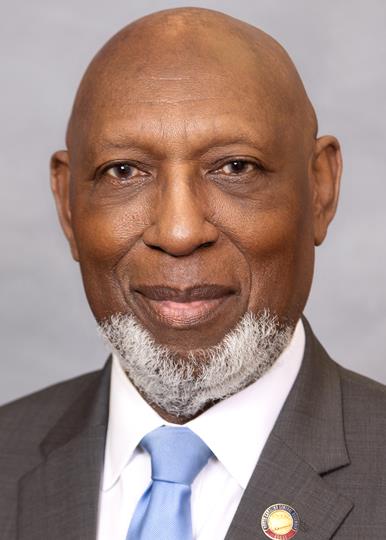
Rep. Shelly Willingham
Sponsored bills
Maddy summaryHB 562, the Healthcare Investment Act, updates qualification standards for mental health, developmental disabilities, and substance abuse professionals in North Carolina. It allows individuals with an associate degree in human services to qualify as Associate Professionals (with less than two years of experience) or Qualified Professionals (with two years of supervised experience). The bill also creates a new pathway for Qualified Substance Abuse Prevention Professionals (QSAPPs) to qualify with an associate degree and two years of supervised experience in addiction prevention - before completing a bachelor's degree. These changes will expand the pool of eligible professionals for state-funded services under the Commission for Mental Health, Developmental Disabilities, and Substance Abuse Services.
Maddy summaryThis bill amends the town charter of Rural Hall to establish a standardized process for unaffiliated candidates seeking nomination for municipal office. It requires these candidates to follow existing state laws regarding petition nominations while allowing the Forsyth County board of elections to set specific rules for the process. Specifically, the board can determine deadlines for submitting petitions and define the voter information needed on those forms to verify eligibility against registration records. The changes take effect immediately upon becoming law and apply to future municipal elections in the town.
Maddy summaryHB 437 establishes "Drug-Free Homeless Service Zones" within 300 feet of facilities that provide homeless services (like shelters or transitional housing) using public funds. It increases penalties for drug offenses committed in these zones: individuals 21+ face Class E felony charges, while facility operators allowing such offenses face Class 1 misdemeanor charges. Facilities must display visible signs identifying the zone, and the law applies to offenses committed on or after December 1, 2025. The bill directly affects homeless service providers, their operators, and individuals committing drug offenses in designated zones.
Maddy summaryHB 517 modifies North Carolina's Nonprofit Corporations Act to expand merger options for charitable organizations and simplify disclosure requirements. It allows charitable nonprofits to merge with specific tax-exempt limited liability companies (LLCs) that would qualify for 501(c)(3) status if not disregarded for tax purposes, and clarifies rules for merging with unincorporated entities like partnerships. The bill also permits charitable organizations to satisfy state disclosure obligations by providing the acknowledgment required for federal tax deductions, aligning state and federal compliance. This directly affects North Carolina-based charitable nonprofits and their merger partners by reducing administrative barriers and clarifying legal pathways.
Maddy summaryHB 162 requires North Carolina counties and cities to conduct criminal history background checks through the State Bureau of Investigation for all job applicants whose positions involve working with children in any capacity. This applies specifically to local government employment decisions, mandating checks for roles like childcare workers, school staff, or youth program coordinators, but not for general positions. The law takes effect October 1, 2025, and does not alter existing background check processes for non-child-related roles. It directly affects local government hiring practices by adding a mandatory screening requirement for child-impacting positions.
Maddy summaryHB 332 modifies Nash County's occupancy tax by allowing the county to add a 2% tax on top of the existing 3% tax for hotel/motel stays. This affects hotels, motels, and similar accommodations in Nash County (excluding nonprofits) and directs the new tax revenue to two entities: two-thirds to the Nash Tourism Development Authority for tourism promotion, and one-third to the City of Rocky Mount for approved tourism projects. The bill specifies that all funds must be spent exclusively on tourism-related activities like marketing, convention centers, or promoting travel within Nash County. It requires the county to first implement the base 3% tax before adding the additional 2% levy.
Maddy summaryThis bill creates a voluntary program allowing businesses in North Carolina to contribute to portable benefit accounts for their independent contractors. The plan enables hiring parties to fund benefits such as health insurance, retirement, and disability through a third-party administrator, which helps contractors maintain coverage when moving between jobs. To encourage participation, the legislation allows businesses to deduct contributions as business expenses and permits contractors to exclude those amounts from their taxable income. Additionally, the bill includes a $100,000 appropriation to fund public education about the program, which will take effect on July 1, 2026.
Maddy summaryHB 198 requires alcohol law enforcement officers to notify the permit holder (not just the employee) within five business days when a violation occurs on a licensed establishment's premises. This applies to both citations issued to employees and reports from other law enforcement agencies about violations of alcohol or related laws. The notice must be sent via email or certified mail and must identify the specific violation and the involved employee. The bill directly affects bars, restaurants, and other businesses holding alcohol permits in North Carolina by mandating clearer, faster communication about violations. It does not change enforcement powers but standardizes how permit holders receive violation notices.
Maddy summaryHB 34 creates a new criminal offense for stealing or misusing someone else's mail, directly affecting individuals who unlawfully take, control, or transfer mail intended for others. The bill defines "mail" broadly to include letters, packages, or valuable items sent to another person and prohibits two specific actions: stealing mail to deprive the owner, or transferring mail to benefit someone not entitled to it. Punishments range from a Class A1 misdemeanor for first-time, low-value thefts (under $200) to a Class D felony for repeat offenses or high-value thefts (over $2,000). This law, effective December 1, 2025, applies to offenses committed after that date.