

Maddy summaryHB 566 establishes a competitive grant program to support North Carolina's Principal Fellows Program, directly affecting school leader preparation programs and future principals. It provides forgivable scholarship loans to participants in these programs (repaid only if they don’t work in North Carolina schools) and grants to eligible entities to develop innovative principal training methods. The bill sets specific grant terms, including 2-6 year durations for loan programs and 1-year terms for innovation grants, with funding capped at $250,000 per recipient annually. Recipients must report on key metrics like program completers’ placement rates in high-need schools and their performance evaluations. The program also allocates funds for administrative costs and program monitoring, requiring public sharing of non-identifiable materials to promote best practices.
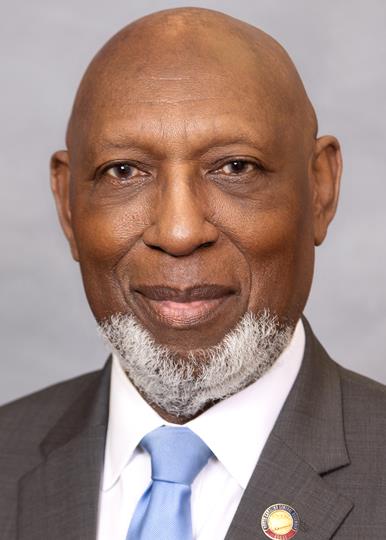
Rep. Shelly Willingham
Sponsored bills
Maddy summaryHB 564 provides a 2% cost-of-living adjustment for retirees in North Carolina's Teachers' and State Employees' Retirement System, Consolidated Judicial Retirement System, and Legislative Retirement System. It increases retirement payments for retirees who retired on or before specific dates (July 1, 2024, for most systems, or January 1, 2025, for the Legislative system) and offers a prorated increase for those retiring between July 1, 2024, and June 30, 2025. The bill appropriates $106.2 million from the General Fund to fund this adjustment, effective July 1, 2025. This policy change directly affects current retirees in these systems by increasing their monthly benefits.
Maddy summaryHB 275 increases penalties for drivers who fail to yield the right-of-way to blind or partially blind pedestrians using a white cane (white or red-tipped) or a guide dog. It requires drivers to come to a full stop, leave a clear path, and remain stopped until the pedestrian has crossed at both uncontrolled intersections and signal-controlled crossings where the pedestrian is already moving when lights change. This bill directly affects drivers operating vehicles in North Carolina and blind/partially blind pedestrians using visible signals. The penalty for violating this law becomes a Class 2 misdemeanor, effective December 1, 2026.
Maddy summaryHB 525 reorganizes North Carolina's Advisory Council on Rare Diseases by moving it from the University of North Carolina at Chapel Hill School of Medicine to the Department of Health and Human Services (DHHS) and appropriates funds to cover its operating costs. The council, composed of 19 diverse members including patients, caregivers, medical professionals, researchers, and industry representatives, directly serves the rare disease community by advising state leaders on research, treatment, and policy. Key provisions include requiring the council to coordinate statewide efforts on rare disease awareness, incidence tracking, and policy initiatives, and to submit annual reports to the Governor, DHHS, and legislative committees. This bill formalizes DHHS oversight of the council and ensures dedicated funding for its operations, streamlining coordination with state health programs.
Maddy summaryHB 518 requires North Carolina local governments and school districts to use competitive bidding annually for publishing official notices (like public meeting announcements), aiming to lower costs and ensure fair competition. It mandates that contracts be awarded to the lowest-cost bidder who meets quality and performance standards, considering factors like circulation and compliance with existing rules. The bill also updates legal advertising rules to limit payments to newspapers' published commercial rates and requires them to file those rates with courts. These changes apply to notices published on or after July 1, 2026.
Maddy summaryHB 523 allows certified school social workers in North Carolina public schools to qualify for education-based salary supplements if they hold a master's degree (or higher), regardless of whether a master's degree is required for their state license. This directly affects school social workers who meet the degree requirement but previously might have been ineligible due to licensure rules. The bill amends state law to include them in the eligibility group for these supplements, which were previously limited to certain roles like school nurses or personnel where a master's degree was licensure-required. The law appropriates $500,000 for the 2025-2026 school year to fund this change and takes effect July 1, 2025.
Maddy summaryHB 542 appropriates $7.5 million annually from the ARPA Temporary Savings Fund for the 2025-2027 fiscal biennium to expand mental and behavioral health services for children, families, and staff in North Carolina child care facilities and out-of-school programs. The funds, managed by the North Carolina Partnership for Children (NCPC), must supplement existing services and cannot replace current funding, with unused funds remaining available until fully spent. NCPC must distribute the funds to local partnerships and submit annual progress reports detailing services provided, participants served, and recommendations for future initiatives. The bill also establishes a special fund to hold unexpended funds, allowing NCPC to retain up to $5 million in cash annually for future use.
Maddy summaryHB 330 updates North Carolina's Controlled Substances Act by adding specific synthetic drugs and chemical structures to Schedule I, making them illegal without exception. It directly affects law enforcement, healthcare providers, and individuals using these substances, as it automatically controls new variants of fentanyl derivatives (like 4-fluorofentanyl), nitazenes, synthetic cannabinoids (including indole carboxamides), and other novel psychoactive substances based on their chemical structure - not just named compounds. Key mechanisms include defining "structurally derived" compounds (e.g., fentanyl modifications) and listing specific examples to close loopholes where manufacturers alter molecules slightly to evade existing laws. This policy change aims to address emerging drug threats by expanding the legal definition of controlled substances.
Maddy summaryHB 514 defines the scope of practice for Advanced Practice Registered Nurses (APRNs) in North Carolina, including nurse practitioners (NPs), certified nurse midwives (CNMs), certified registered nurse anesthetists (CRNAs), and clinical nurse specialists (CNSs). The bill explicitly outlines the specific responsibilities for each role - such as CNMs managing reproductive health care, NPs diagnosing and treating illnesses, and CRNAs administering anesthesia - removing ambiguity in current law. It directly affects over 20,000 APRNs in North Carolina who currently face restrictions due to undefined practice parameters. The legislation aims to align North Carolina with 36 other states that have clarified APRN authority without compromising patient safety, as supported by research cited in the bill. This statutory definition is intended to improve healthcare access and reduce costs by enabling APRNs to practice to the full extent of their training.
Maddy summaryHB 513 appropriates $1 million annually from the General Fund to fund North Carolina's Long-Term Care Ombudsman Program through fiscal years 2025-2027. It allocates $855,000 yearly to create nine new full-time Regional Ombudsman positions in areas most needing support, as determined by the State Ombudsman, to help meet national staffing standards. The remaining funds cover operational costs like equipment, supplies, and transportation for existing program staff. This directly benefits long-term care residents by expanding access to ombudsman services that address facility concerns and advocate for their rights.