

Maddy summaryHB 512 creates an exemption to the practice of veterinary medicine for emergency medical services (EMS) personnel. This allows EMS personnel, excluding dispatchers, to provide emergency medical transport and services to injured K-9 police animals or certified search and rescue dogs at an emergency scene. The bill also grants limited immunity from prosecution for EMS personnel who act in good faith when providing such care. However, this immunity does not extend to gross negligence, wanton conduct, or intentional wrongdoing.
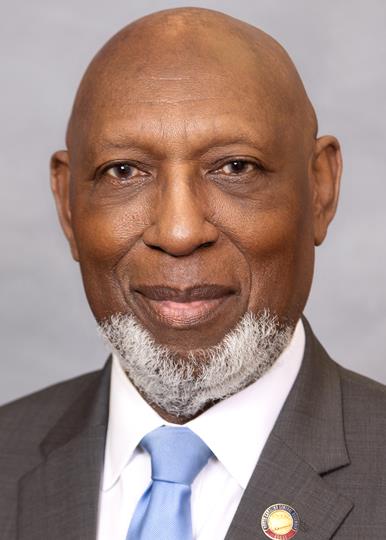
Rep. Shelly Willingham
Sponsored bills
Maddy summaryHouse Bill 146 amends North Carolina's driver's license renewal process. It allows active duty members of the U.S. Armed Forces, or reserve components serving on active duty and stationed outside North Carolina, to renew their driver's licenses remotely multiple times in a row. Currently, a remote renewal requires the previous renewal to have been done in person, but this bill removes that restriction for eligible military personnel. This change aims to make it easier for these individuals to maintain their licenses while serving away from the state. The act becomes effective October 1, 2025, applying to licenses renewed on or after that date.
Maddy summaryHB 254 designates the fourth Thursday of March each year as Tuskegee Airmen Commemoration Day in North Carolina. This officially recognizes and honors the legacy of the African-American pilots, navigators, bombardiers, instructors, and support staff who trained at Tuskegee Institute from 1941 to 1949.
Maddy summaryHB 163 regulates Pharmacy Benefits Managers (PBMs) to ensure fair practices for pharmacies and insured individuals. The bill prohibits PBMs from charging insurers more for a prescription drug than they pay the pharmacy (spread pricing) and requires patient out-of-pocket costs to be based on the net price after any PBM concessions. It establishes minimum reimbursement standards for pharmacies, preventing PBMs from paying less than the national average drug acquisition cost plus a dispensing fee. Additionally, it clarifies that PBMs cannot restrict accredited pharmacies from dispensing specialty drugs and strengthens audit protections for pharmacies.
Maddy summaryHouse Bill 107 designates the second week of November each year as Sudden Unexpected Death in Epilepsy (SUDEP) Awareness Week in North Carolina. Additionally, it encourages local boards of education to develop and offer seizure awareness training for school personnel who are responsible for students with epilepsy or who are otherwise predisposed to seizures. This training aims to provide school staff with information to support these students.
Maddy summaryHouse Bill 648 clarifies the process for placing abused, neglected, or dependent juveniles in out-of-home care. It requires courts to first consider placing a juvenile with a willing and able relative, unless such placement is found to be contrary to the juvenile's best interests. Courts can only consider nonrelative placements after making specific findings of fact, such as the unavailability of a suitable relative. The bill also expands options for nonrelative placements to include former foster parents, nonrelative kin, or legal guardians of siblings, and allows for notification of State-recognized tribes to help locate caregivers.
Maddy summaryHB 570, the "Responsible Firefighting Foam Management Act," restricts the use of firefighting foams containing PFAS chemicals for training and testing. It prohibits any person, local government, or state agency from discharging Class B firefighting foam with intentionally added PFAS for training or practice purposes. For testing, these foams are also prohibited unless required by law or an authority, and the testing facility has implemented measures to prevent environmental releases. The bill mandates the use of non-fluorinated alternatives for training and is set to become effective on December 1, 2025.
Maddy summaryHouse Bill 663, known as the Living Donor Protection Act, aims to support individuals who donate organs or bone marrow. The bill prohibits insurance companies from discriminating against individuals solely based on their status as a living organ donor in various insurance policies. It also establishes a state income tax credit of up to $5,000 for unreimbursed expenses, such as lost wages and travel, incurred by living donors. Furthermore, the act provides state employees and state-supported personnel with up to 30 days of paid leave for organ donation and seven days for bone marrow donation.
Maddy summaryHB 329 encourages nonpublic schools in North Carolina, including private church schools and other qualified nonpublic schools, to adopt policies that prohibit the use of tobacco and hemp products on their school grounds. The bill amends existing state statutes to add this encouragement. It suggests that these schools use the current requirements for public schools as guidance when developing their own policies. This legislation aims to promote smoke-free and hemp-free environments within nonpublic educational settings.
Maddy summaryHB 574 establishes a Workforce Development Pilot Project in North Carolina. This bill provides funds to the Office of State Budget and Management to be allocated to the North Carolina Workforce Development Coalition (NCWDC). The NCWDC will then provide grants to eligible North Carolina-based employers, with 20 to 1,500 employees, to support employer-sponsored training programs. These grants aim to increase job creation, reduce employee turnover, improve wages, and upgrade worker skills, especially in industries with identified training gaps. Employers can receive up to 50% of eligible training costs or $2,000 per trainee, with a maximum of $40,000 annually per employer.