Issue · Labor & Employment

Labor & Employment

Every labor & employment bill, vote, and legislator stance in North Carolina, automatically classified by Maddy, our AI policy reader.

Total bills
197
2025-2026 Session
Top supporter
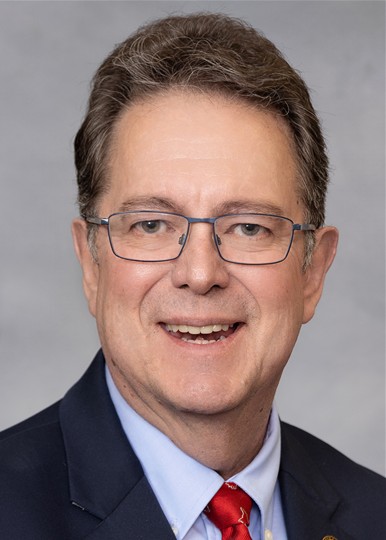
Charles Smith
100% support rate
Top opponent
Vickie Sawyer
20% support rate
Ranked legislators
10
5 support · 5 oppose
Key legislators

Who's moving labor & employment in North Carolina

Legislators moving labor & employment in North Carolina
Legislator Party Stance Support rate Votes
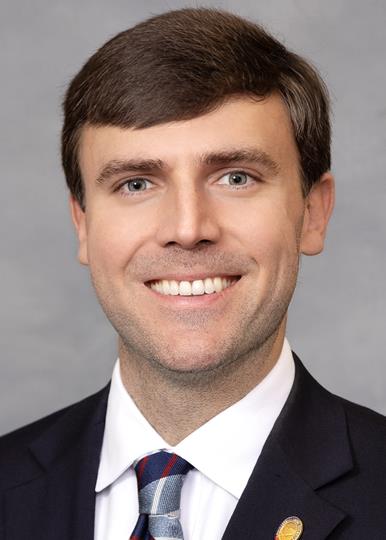
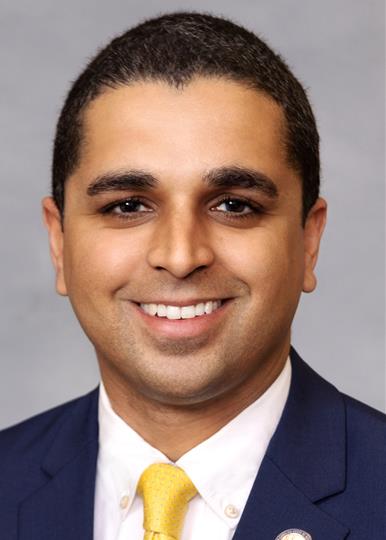
Charles Smith
Charles Smith House · District 44
D
Strong +
100% 23
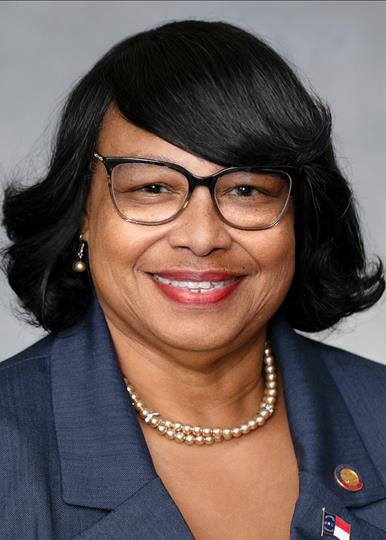
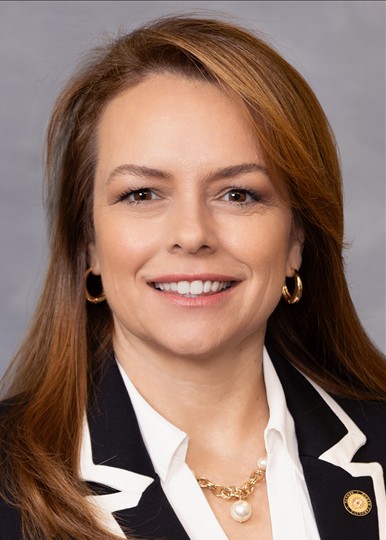
Gloristine Brown
Gloristine Brown House · District 8
D
Strong +
83% 23
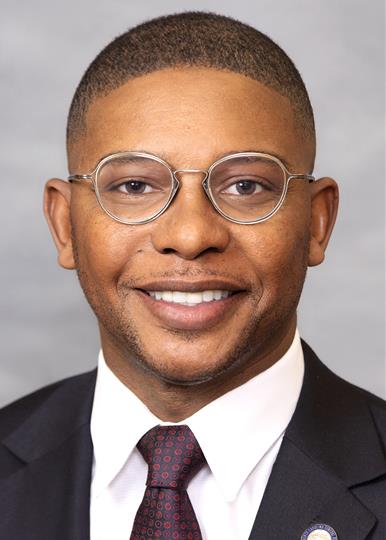
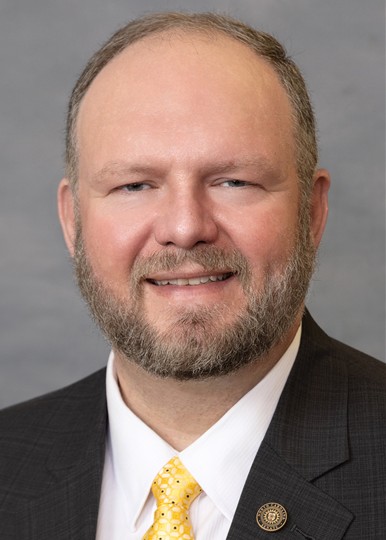
Mike Colvin
Mike Colvin House · District 42
D
Strong +
83% 23
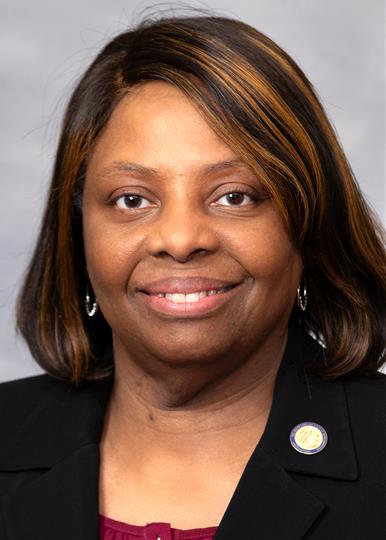
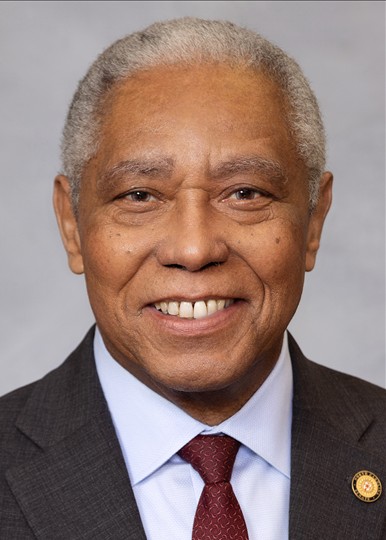
Frances Jackson
Frances Jackson House · District 45
D
Strong +
83% 23
Dante Pittman
Dante Pittman House · District 24
D
Strong +
83% 23
Vickie Sawyer
Vickie Sawyer Senate · District 37
R
Strong −
20% 14
Ralph Hise
Ralph Hise Senate · District 47
R
Strong −
20% 13
Dan Blue
Dan Blue Senate · District 14
D
Oppose
33% 15
Kevin Corbin
Kevin Corbin Senate · District 50
R
Oppose
33% 15
Michael Lazzara
Michael Lazzara Senate · District 6
R
Oppose
33% 14
Showing 131–140 of 197 bills

All labor & employment bills

in committee · North Carolina · Senate Feb 25, 2025

SB 154: NC CROWN Act.

SB 154, the North Carolina CROWN Act, prohibits employment discrimination based on hair texture or protective hairstyles. It explicitly defines "protective hairstyles" (including braids, locks, twists, and bantu knots) as protected under existing anti-discrimination law, stating that race discrimination includes hair texture and type. The bill amends Chapter 95 to add Section 95-28.1B, making it illegal for employers to deny jobs, fire, or otherwise discriminate against employees because of these hair characteristics. This applies to all employers, employees, and job applicants in North Carolina starting from the law's effective date.
in committee · North Carolina · Senate Mar 26, 2025

SB 701: Bring Back Our Heroes.

SB 701 allows North Carolina state and local law enforcement officers with at least 30 years of service to continue receiving retirement benefits while remaining actively employed. Specifically, officers aged 59.5 or older can elect to receive their retirement allowance without separating from their current law enforcement position. The bill requires employers to cover both employee and employer retirement contributions during this period, while prohibiting additional service credit accrual or eligibility for disability/supplemental retirement benefits. This policy directly affects qualifying officers who wish to stay on duty while maintaining their retirement income.
in committee · North Carolina · House Apr 14, 2025

HB 951: State Owned Structures (SOS) Child Care Act.

HB 951 requires North Carolina to use state-owned property for childcare, directly affecting state employees, first responders, and community college staff/students. It mandates that new or renovated state buildings costing over $5 million include childcare or adult care centers if serving 250+ people, and creates a $5 million pilot program to establish three state employee childcare centers on unused state property. The bill also allocates $6 million for county grants to fund third-shift childcare for first responders in unused county buildings and requires feasibility studies for childcare at all community colleges and UNC campuses. These provisions include specific funding, reporting deadlines, and requirements for apprenticeship programs linking childcare centers with educational institutions.
in committee · North Carolina · House Feb 24, 2025

HB 168: North Carolina Create a Respectful and Open World for Natural Hair (CROWN) Act.

HB 168, the North Carolina CROWN Act, prohibits employment discrimination based on hair texture or protective hairstyles like braids, locks, or twists. It explicitly adds these characteristics to the definition of "race" under North Carolina's anti-discrimination law, covering all employers and job applicants. The bill also strengthens protections by banning retaliation against employees who report such discrimination. It applies to all public and private employers statewide upon becoming law.
in committee · North Carolina · House Apr 1, 2025

HB 608: Protect Health and Government Personnel Info.

HB 608 amends North Carolina's computer trespass law to add automatic minimum damages for unauthorized copying of protected health information (like medical records) or government employee personnel files (including SSNs, medical history, and salary details). It establishes a $5,000 minimum penalty per violation for breaches involving either type of sensitive data, replacing the previous requirement to prove actual damages. The law directly affects healthcare providers, government employers, and anyone handling such data, ensuring victims can recover at least $5,000 per incident without proving financial loss. The bill takes effect July 1, 2025, and applies to offenses committed after that date.
in committee · North Carolina · House Apr 8, 2025

HB 810: State Employee Bereavement Leave/Up To 40-Hrs.

HB 810, effective July 1, 2025, provides North Carolina state employees with paid bereavement leave: up to 40 hours for the death of an immediate family member (spouse, parent, child, sibling, or dependent living with them) and up to 8 hours for the death of a colleague. It applies to all state employees, public school staff, and community college workers, requiring documentation like a death certificate but allowing leave without exhausting sick or vacation time. Employees must use family leave within 180 days of the death and provide funeral attendance proof for colleague leave, with no annual limit on usage. The bill appropriates $2 million annually from the General Fund to cover these leave costs through the 2025-2027 fiscal biennium.
in committee · North Carolina · House Mar 20, 2025

HB 463: First Responders Mental Health Plan Act.

HB 463 establishes a supplemental insurance plan for North Carolina first responders diagnosed with specific mental health conditions (like anxiety, depression, or PTSD) directly resulting from their job. It provides three key benefits: up to $5,000 annually for out-of-pocket mental health costs, 75% of salary or $5,000 monthly (max 12 weeks/year) for leave due to treatment, and disability benefits (75% salary or $5,000/month, max 36 months) if unable to work. Eligibility requires a job-related diagnosis, current employment as a defined first responder (including police, firefighters, EMTs, and dispatchers), and exclusion from workers' compensation benefits. The plan aims to support recovery and return to duty while limiting benefits to cover gaps not met by other sources.
died · North Carolina · Senate Mar 26, 2025

SB 680: Comprehensive Capital for Childcare Expansion.

SB 680 creates the North Carolina Child Care Finance Agency to address the state's childcare shortage through targeted financing. The agency will provide loans and bonds for constructing or renovating childcare facilities, prioritizing small providers (under 10 facilities), high-quality licensed centers, and projects in high-need areas. It specifically supports faith-based organizations, businesses offering on-site childcare for employees, and encourages full-day care and workforce development partnerships. The bill directly affects childcare providers, employers, and families by expanding affordable, accessible childcare options across North Carolina.
died · North Carolina · Senate Mar 26, 2025

SB 678: Onsite Childcare for State Employees Act.

SB 678 requires North Carolina state agencies to explore using underutilized state-owned buildings for childcare centers, prioritizing state employees. It mandates that new or renovated state buildings costing over $5 million (with >250 workers) include onsite childcare or adult care centers, unless costs rise by 10% or delays exceed six months. The bill also establishes a pilot program funding three private childcare centers on unused state property, requiring contractors to partner with colleges for apprenticeship programs and covering renovation costs. It allocates $5 million for the program and sets reporting deadlines for feasibility studies and pilot outcomes. The law directly affects state employees seeking childcare, private childcare providers, and state property managers.
Sub-Topics Apprenticeships
in committee · North Carolina · Senate Mar 26, 2025

SB 539: NC Utility Worker Protection Act.

SB 539, the North Carolina Utility Worker Protection Act, increases criminal penalties for assaulting utility workers while they perform their duties. It upgrades such assaults to a Class A1 misdemeanor (from lower-level offenses) and adds specific felony charges if deadly weapons are used. The bill defines "utility worker" broadly to include employees providing gas, electricity, water, internet, cable, telecommunications, sewer, or railroad services, covering both public and private sector workers. The law applies to offenses occurring on or after December 1, 2025, and does not affect prosecutions for acts before that date.
Sub-Topics Workplace Safety
Showing 131 to 140 of 197 bills
Previous 1 13 14 15 20 Next