

Issue · Criminal Justice
Criminal Justice
Every criminal justice bill, vote, and legislator stance in North Carolina, automatically classified by Maddy, our AI policy reader.
Total bills
214
2025-2026 Session
Top supporter
Becky Carney
100% support rate
Top opponent
Jimmy Dixon
0% support rate
Ranked legislators
10
5 support · 5 oppose
Key legislators
Who's moving criminal justice in North Carolina
| Legislator | Party | Stance | Support rate | Votes |
|---|---|---|---|---|

Becky Carney
House · District 102
|
D |
Strong +
|
100% | 42 |
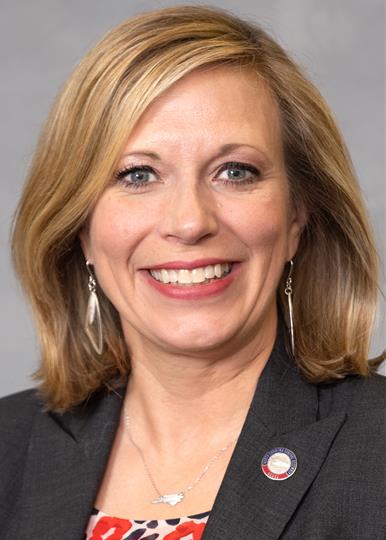
Sarah Crawford
House · District 66
|
D |
Strong +
|
100% | 42 |
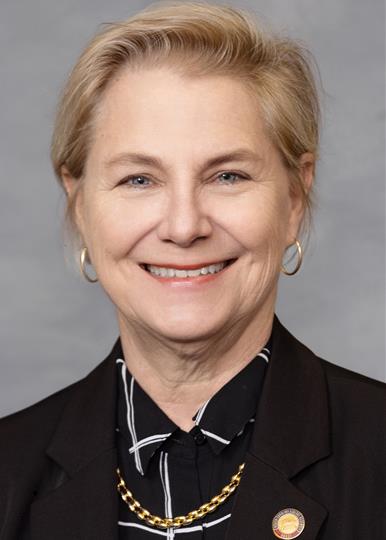
Deb Butler
House · District 18
|
D |
Strong +
|
100% | 37 |

Maria Cervania
House · District 41
|
D |
Strong +
|
100% | 42 |

Allison Dahle
House · District 11
|
D |
Strong +
|
100% | 41 |
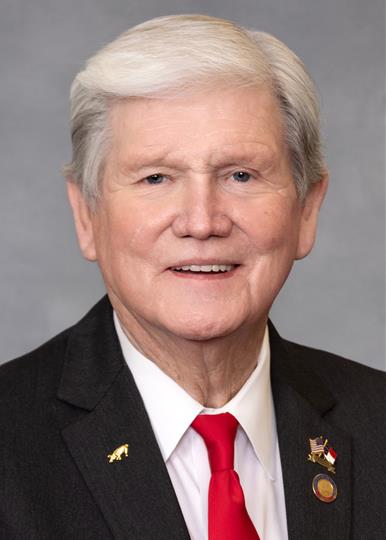
Jimmy Dixon
House · District 4
|
R |
Strong −
|
0% | 39 |
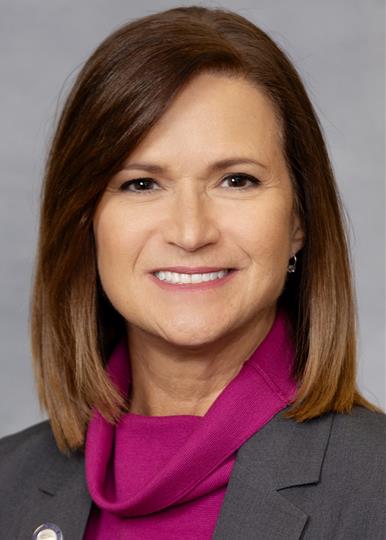
Celeste Cairns
House · District 13
|
R |
Strong −
|
0% | 40 |
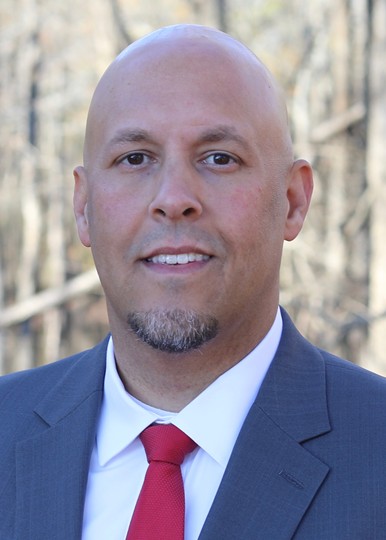
John Lowery
House · District 47
|
R |
Strong −
|
0% | 28 |
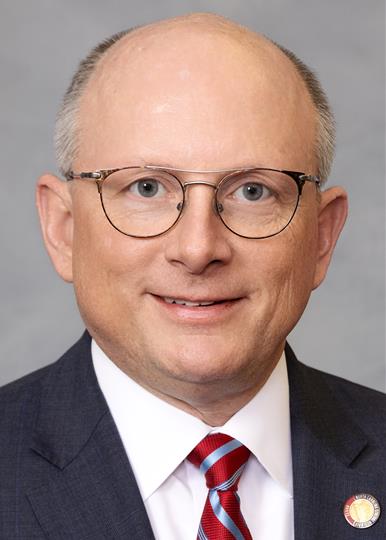
Tim Reeder
House · District 9
|
R |
Strong −
|
0% | 41 |
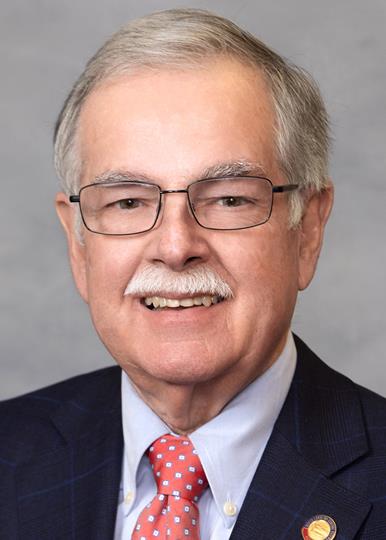
Donny Lambeth
House · District 75
|
R |
Strong −
|
0% | 40 |
Showing 121–130 of 214
bills
All criminal justice bills
SB 164: Theft of Temporary Housing During Emergency.
Topics
✗ Criminal JusticeOpposes Criminal JusticeBill creates new Class F felony for theft of emergency housing, expanding criminalization. Matches 'oppose' indicator of expanding criminalization in criminal justice context.
✓ HousingSupports HousingProtects temporary housing (tents, trailers) from theft during emergencies, ensuring shelter availability for displaced residents during disasters.
HB 61: Assaults on First Responders.
Topics
✗ Criminal JusticeOpposes Criminal JusticeBill increases penalties for assaulting first responders by reclassifying assaults as Class B1 felony, aligning with 'oppose' indicators of harsher sentencing.
✓ HealthcareSupports HealthcareBill protects healthcare workers (EMTs, medical responders) by increasing penalties for firearm assaults against them during duties, directly strengthening healthcare workforce safety.
HB 350: Report Lost/Stolen Firearm Within 24 Hours.
Sub-Topics
Firearms
HB 733: The Everybody Eats Act.
Topics
✓ Criminal JusticeSupports Criminal JusticeRestores food benefits for formerly incarcerated individuals completing substance abuse treatment, reducing barriers to reintegration and aligning with rehabilitation-focused criminal justice reform.
✓ HealthcareSupports HealthcareExpands access to nutrition assistance for formerly incarcerated individuals, strengthening public health support through extended eligibility and reduced barriers to food benefits.
SB 282: Clubhouse Expansion.
Topics
✓ Budget & TaxesSupports Budget & TaxesBill appropriates $2.5M annually (2025-2027) for mental health programs, directly increasing state budget allocation for public services under APPROPRIATIONS/BUDGETING subjects.
✓ Criminal JusticeSupports Criminal JusticeExpands mental health rehabilitation programs to reduce recidivism, aligning with criminal justice reform goals of improving offender rehabilitation and reducing reoffending.
✓ HealthcareSupports HealthcareExpands mental health access via Medicaid-funded clubhouse programs with $2.5M annual appropriation. Directly advances healthcare services for severe mental illness.
HB 137: Gabe Torres Act.
Topics
✓ Criminal JusticeSupports Criminal JusticeExpands death benefits for law enforcement officers killed commuting or on duty, appropriating $300k to fund these protections for public safety personnel.
✓ Labor & EmploymentSupports Labor & EmploymentExpands death benefits for public safety workers (including commuting) with $300k funding, directly strengthening worker benefits under Labor & Employment.
Sub-Topics
Policing
HB 246: Liam's Law.
SB 662: Modernize Domestic Violence Protection Order.
Sub-Topics
Domestic Violence
HB 534: Sexual Assault Nurse Programs/Funds.
Topics
✓ Budget & TaxesSupports Budget & TaxesBill appropriates $700,000 from General Fund for SANE training programs, directly funding public health services through state budget allocation.
✓ Criminal JusticeSupports Criminal JusticeFunds SANE training to improve evidence collection in sexual assault cases, directly enhancing criminal justice system effectiveness for sex offenses.
✓ EducationSupports EducationAllocates $700,000 to fund SANE training programs at community colleges, directly supporting higher education initiatives and professional education within the specified topic area.
✓ HealthcareSupports HealthcareAllocates $700k for SANE training programs at community colleges, directly funding healthcare services for sexual assault victims through specialized nurse examiner programs.