Issue · Criminal Justice

Criminal Justice

Every criminal justice bill, vote, and legislator stance in North Carolina, automatically classified by Maddy, our AI policy reader.

Total bills
214
2025-2026 Session
Top supporter
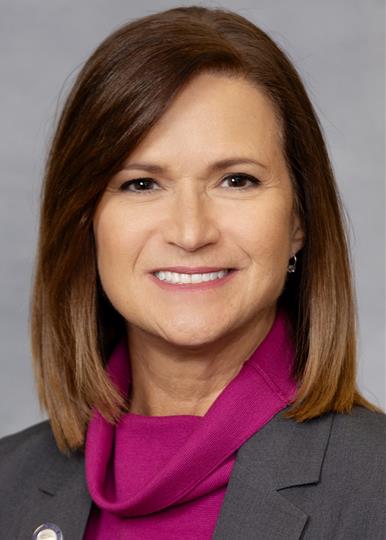
Becky Carney
100% support rate
Top opponent
Jimmy Dixon
0% support rate
Ranked legislators
10
5 support · 5 oppose
Key legislators

Who's moving criminal justice in North Carolina

Legislators moving criminal justice in North Carolina
Legislator Party Stance Support rate Votes
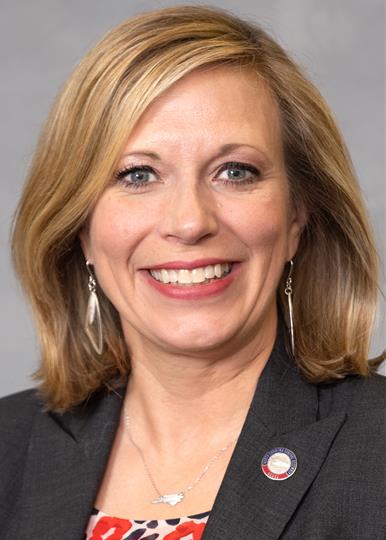
Becky Carney
Becky Carney House · District 102
D
Strong +
100% 42
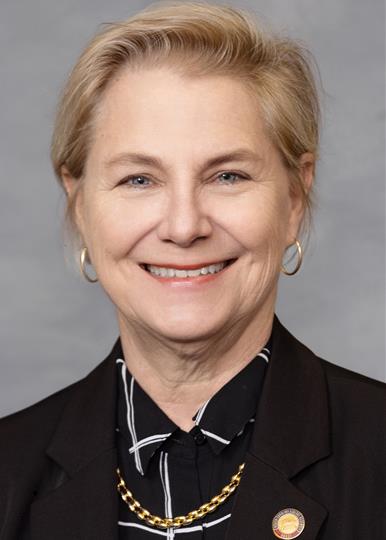
Sarah Crawford
Sarah Crawford House · District 66
D
Strong +
100% 42
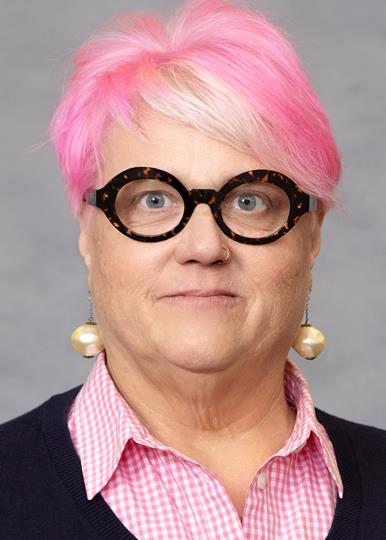
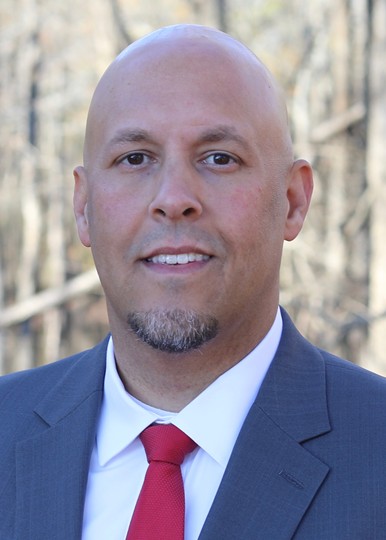
Deb Butler
Deb Butler House · District 18
D
Strong +
100% 37
Maria Cervania
Maria Cervania House · District 41
D
Strong +
100% 42
Allison Dahle
Allison Dahle House · District 11
D
Strong +
100% 41
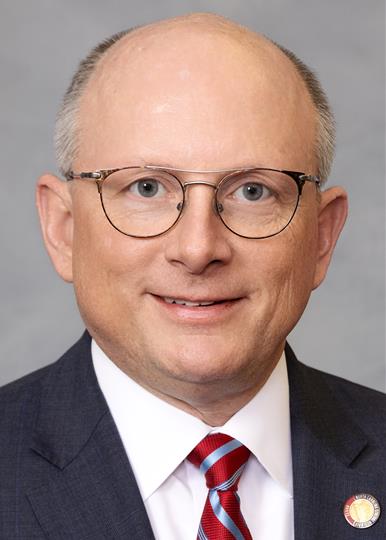
Jimmy Dixon
Jimmy Dixon House · District 4
R
Strong −
0% 39
Celeste Cairns
Celeste Cairns House · District 13
R
Strong −
0% 40
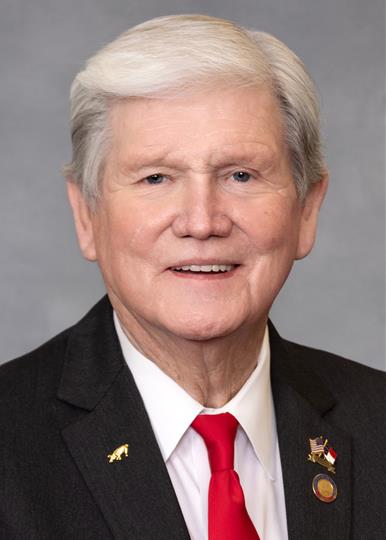
John Lowery
John Lowery House · District 47
R
Strong −
0% 28
Tim Reeder
Tim Reeder House · District 9
R
Strong −
0% 41
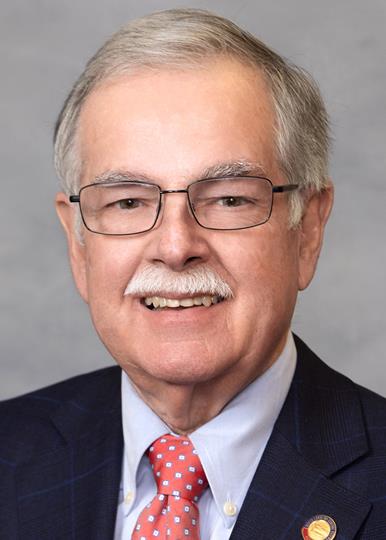
Donny Lambeth
Donny Lambeth House · District 75
R
Strong −
0% 40
Showing 111–120 of 214 bills

All criminal justice bills

in committee · North Carolina · Senate Mar 25, 2025

SB 450: Novel Opioid Control Act of 2025.

SB 450, the Novel Opioid Control Act of 2025, updates North Carolina's Controlled Substances Act by adding specific synthetic opioids, fentanyl derivatives, nitazene compounds, and related substances to Schedule I. The bill directly affects individuals or entities producing, distributing, or possessing these newly listed chemicals, including substances like Brorphine, AP-237, and various fentanyl analogs. Its key mechanism bans entire chemical classes - defined by structural characteristics (e.g., substitutions on fentanyl or nitazene molecular frameworks) - rather than listing each compound individually. This prevents legal loopholes for new variants created through minor chemical modifications. The law applies to all such substances unless specifically excepted for medical research or approved pharmaceutical use.
Sub-Topics Drug Policy
passed · North Carolina · House May 7, 2025

HB 681: Update Opioid Abatement Treatment Program Rules.

HB 681 directs the Commission for Mental Health, Developmental Disabilities, and Substance Use Services to update state rules for outpatient opioid treatment programs (OTPs). The bill aims to align these rules more closely with federal regulations governing medications for opioid use disorder, affecting patients receiving treatment and the OTPs providing care. Key changes include removing home environment stability as a criterion for take-home medication and prohibiting administrative discharge due to continued substance use or missed doses. It also reduces the frequency of required drug tests, removes observed testing, and allows OTPs to administer methadone to non-enrolled patients. The Commission must engage with clients and providers for input and publish the proposed amended rules by July 1, 2025.
died · North Carolina · House Apr 16, 2025

HB 632: Amend Hazing Laws.

HB 632 revises North Carolina's hazing laws, repealing the existing statute and creating a new one with an expanded definition of hazing. It establishes criminal offenses for individuals who participate in hazing against minors or students, and for local, national, and postsecondary educational institutions whose leadership or employees knowingly fail to intervene or actively participate. The bill also introduces penalties for individuals who fail to seek medical assistance for an injured minor or student during hazing. Penalties for violations range from misdemeanors to felonies, including potential fines for both individuals and organizations.
signed · North Carolina · Senate Jul 9, 2025

SB 429: 2025 Public Safety Act.

SB 429 creates new criminal offenses for knowingly exposing children under 16 to controlled substances (like drugs or opioids), with penalties ranging from a Class H felony (exposure alone) to a Class B1 felony (if exposure causes death). It also revises rules for sharing autopsy records: medical examiners must provide finalized toxicology and autopsy reports to prosecutors during criminal investigations, but public disclosure is restricted to specific recipients like family members or estate representatives. The law applies to offenses occurring on or after December 1, 2025, and excludes cases where a medical professional administers prescribed medication to a child. This bill directly affects caregivers, medical examiners, and prosecutors handling child exposure cases.
Sub-Topics Drug Policy
in committee · North Carolina · House Apr 2, 2025

HB 645: Friendly NC Act.

HB 645 (Friendly NC Act) strengthens hate crime laws in North Carolina by expanding definitions to include offenses motivated by race, religion, nationality, or other protected characteristics. It increases penalties for hate-motivated misdemeanors (elevating them to Class 1 misdemeanors or felonies) and creates new felony charges for hate-motivated serious bodily injury. Victims gain civil remedies (including emotional distress damages and attorney fees) and can request restorative justice sessions with trained facilitators, paid for by the offender. The bill directly affects individuals who commit hate crimes and victims of such offenses, aiming to promote inclusivity through enhanced legal protections.
Sub-Topics Civil Rights
in committee · North Carolina · House Mar 26, 2025

HB 503: Don't Tread on Me Act.

HB 503, the "Don't Tread on Me Act," proposes new protections for North Carolinians by restricting government overreach in privacy, healthcare, education, and employment. It prohibits state agencies from conducting warrantless surveillance, demanding private medical or political information for services, denying reproductive care based on ideology, interfering with parental decisions without due process, or censoring fact-based education. The bill also bans discrimination in employment, housing, or public services based on private beliefs, medical history, or lawful conduct. Currently in early legislative stages (filed March 24, passed 1st reading March 26), it would take effect if enacted.
Sub-Topics Civil Rights Tags Civil Liberties
in committee · North Carolina · Senate Mar 19, 2025

SB 326: Economic Security Act.

SB 326, the Economic Security Act, raises North Carolina's minimum wage to $22 per hour starting January 1, 2026, with annual inflation adjustments based on the Consumer Price Index. It requires employers to provide paid sick leave, paid family medical leave, and workplace safety protections, while mandating equal pay for equal work regardless of gender. The bill also increases the tipped minimum wage, ends wage theft, prohibits employers from asking about criminal history on job applications ("ban the box"), and expands unemployment benefits for workers. These provisions directly affect all private and public employers and employees across North Carolina, including gig economy workers and essential workers.
died · North Carolina · Senate Mar 26, 2025

SB 631: Juvenile Justice Workforce Fix/Funds.

SB 631 allocates $10.4 million for the 2025-2026 fiscal year and $14.1 million for 2026-2027 to increase salaries for juvenile justice staff in North Carolina. It directly affects Youth Counselor Technicians, Youth Services Behavioral Specialists, Youth Counselors, and Juvenile Court Counselors within the Division of Juvenile Justice and Delinquency Prevention. The bill establishes new annual salary schedules for these roles, including specific pay rates based on experience levels for the 2025-2027 biennium. Additionally, $3.9 million is specifically designated to address existing pay gaps ("salary compression") among these staff members. The funding is intended to support workforce retention and recruitment within the juvenile justice system.
in committee · North Carolina · House Apr 16, 2025

HB 1008: Stalking/Enhanced Penalties.

HB 1008 enhances penalties for sexual battery and stalking when the perpetrator is a local government elected official. The bill specifically applies if the victim is a fellow member of the same governing board or an employee of that board. In such cases, sexual battery, which is typically a Class A1 misdemeanor, becomes a Class H felony. Similarly, stalking committed under these specific circumstances also escalates to a Class H felony. This act becomes effective on December 1, 2025, for offenses committed on or after that date.
Sub-Topics Domestic Violence
signed · North Carolina · House Jun 22, 2026

HB 315: Prohibit Litigation Investments/Amend Workers' Compensation Benefits.

HB 315 creates new criminal offenses for wrongfully entering restricted business areas (like secure storage rooms) and for stealing or fraudulently obtaining gift cards. It directly affects businesses (by protecting secure areas), gift card holders (by criminalizing theft of their cards), and individuals who commit these acts. Key provisions include classifying unauthorized building entry as a misdemeanor or felony based on prior offenses, defining gift card theft as a Class 1 misdemeanor for cards under $1,000 (or felony for higher value), and expanding "organized retail theft" to include conspiracy around gift cards with penalties tied to total value stolen. The law takes effect December 1, 2025, and applies to offenses committed after that date.
Showing 111 to 120 of 214 bills
Previous 1 11 12 13 22 Next