

Issue · Criminal Justice
Criminal Justice
Every criminal justice bill, vote, and legislator stance in North Carolina, automatically classified by Maddy, our AI policy reader.
Total bills
214
2025-2026 Session
Top supporter
Becky Carney
100% support rate
Top opponent
Jimmy Dixon
0% support rate
Ranked legislators
10
5 support · 5 oppose
Key legislators
Who's moving criminal justice in North Carolina
| Legislator | Party | Stance | Support rate | Votes |
|---|---|---|---|---|

Becky Carney
House · District 102
|
D |
Strong +
|
100% | 42 |

Sarah Crawford
House · District 66
|
D |
Strong +
|
100% | 42 |

Deb Butler
House · District 18
|
D |
Strong +
|
100% | 37 |

Maria Cervania
House · District 41
|
D |
Strong +
|
100% | 42 |

Allison Dahle
House · District 11
|
D |
Strong +
|
100% | 41 |
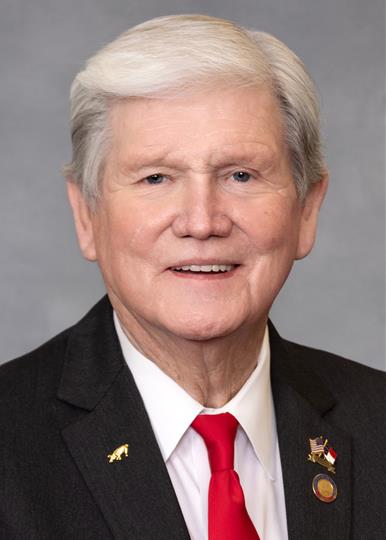
Jimmy Dixon
House · District 4
|
R |
Strong −
|
0% | 39 |
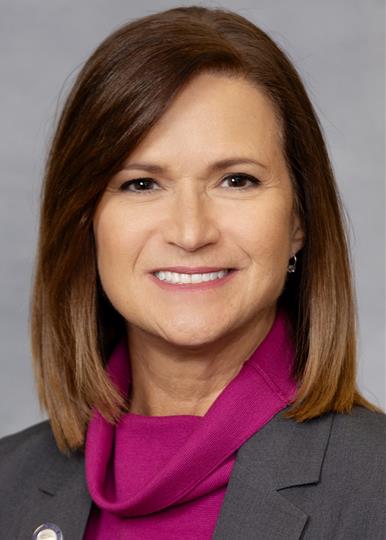
Celeste Cairns
House · District 13
|
R |
Strong −
|
0% | 40 |
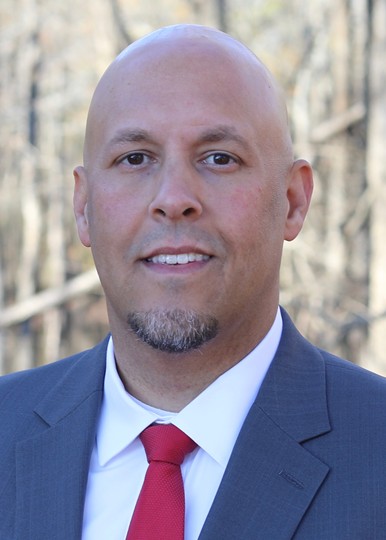
John Lowery
House · District 47
|
R |
Strong −
|
0% | 28 |
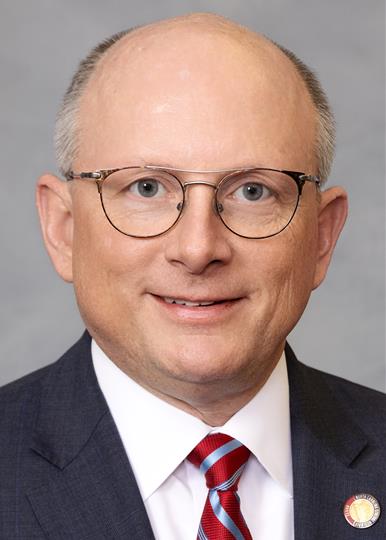
Tim Reeder
House · District 9
|
R |
Strong −
|
0% | 41 |
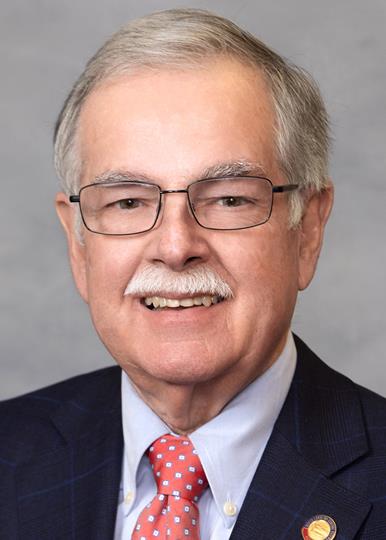
Donny Lambeth
House · District 75
|
R |
Strong −
|
0% | 40 |
Showing 211–214 of 214
bills
All criminal justice bills
HB 722: Enact Criminal Justice Debt Reform.
Sub-Topics
Courts
SB 694: Remove Barriers to Employment from Court Debt.
Topics
✓ Criminal JusticeSupports Criminal JusticeRestores licenses for minor traffic offenses after 36 months, removing employment barriers tied to court debt - a direct criminal justice reform addressing systemic inequities in sentencing and recidivism.
✓ Labor & EmploymentSupports Labor & EmploymentRemoves license revocation barrier for minor traffic fines, directly enabling employment access by restoring driver's licenses after 36 months without requiring payment.
Sub-Topics
Courts
HB 45: General Statutes Commission Moral Turpitude/Occupational Licensure.
Topics
✓ Criminal JusticeSupports Criminal JusticePrevents automatic license denial for moral turpitude convictions, requiring individualized review of rehabilitation and job relevance, advancing criminal justice reform by reducing barriers to employment for formerly incarcerated individuals.
✓ Labor & EmploymentSupports Labor & EmploymentRemoves automatic license denial for criminal records, requiring rehabilitation-focused evaluation and expanding employment access for formerly incarcerated workers.