Issue · Criminal Justice

Criminal Justice

Every criminal justice bill, vote, and legislator stance in North Carolina, automatically classified by Maddy, our AI policy reader.

Total bills
214
2025-2026 Session
Top supporter
Becky Carney
100% support rate
Top opponent
Jimmy Dixon
0% support rate
Ranked legislators
10
5 support · 5 oppose
Key legislators

Who's moving criminal justice in North Carolina

Legislators moving criminal justice in North Carolina
Legislator Party Stance Support rate Votes
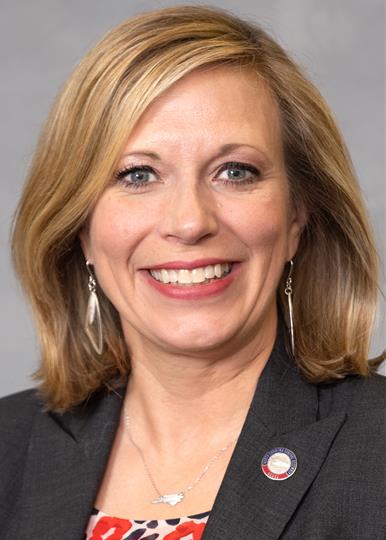
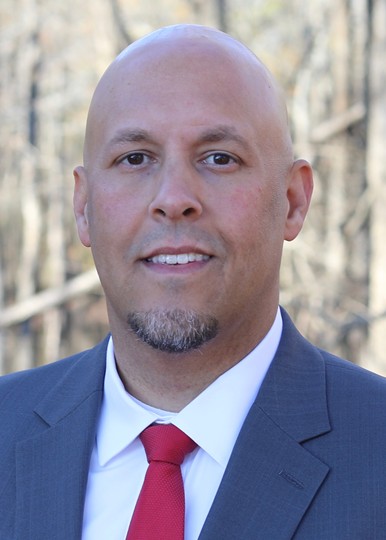
Becky Carney
Becky Carney House · District 102
D
Strong +
100% 42
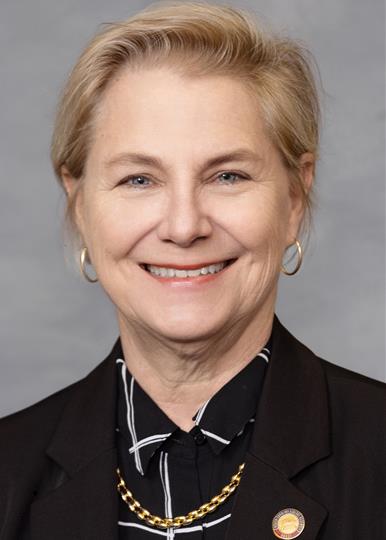
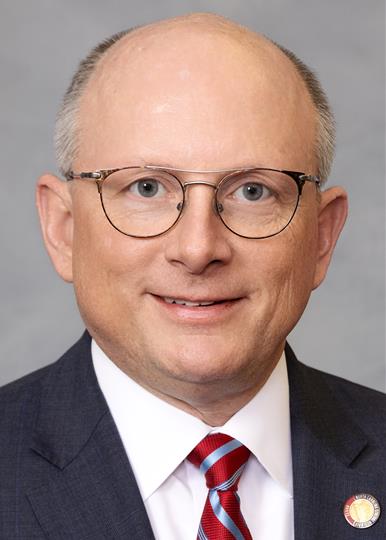
Sarah Crawford
Sarah Crawford House · District 66
D
Strong +
100% 42
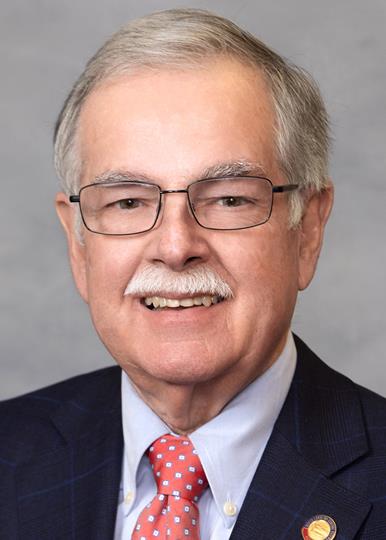
Deb Butler
Deb Butler House · District 18
D
Strong +
100% 37
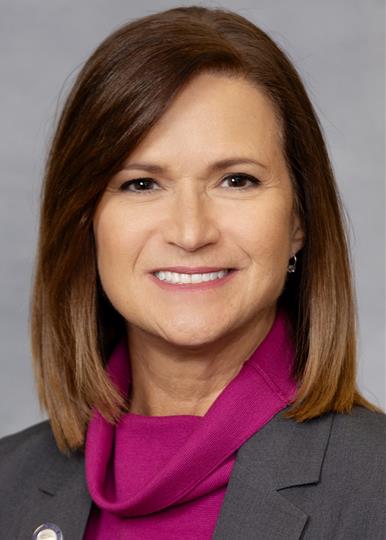
Maria Cervania
Maria Cervania House · District 41
D
Strong +
100% 42
Allison Dahle
Allison Dahle House · District 11
D
Strong +
100% 41
Jimmy Dixon
Jimmy Dixon House · District 4
R
Strong −
0% 39
Celeste Cairns
Celeste Cairns House · District 13
R
Strong −
0% 40
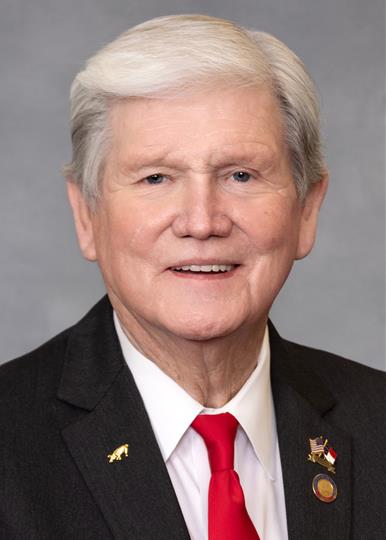
John Lowery
John Lowery House · District 47
R
Strong −
0% 28
Tim Reeder
Tim Reeder House · District 9
R
Strong −
0% 41
Donny Lambeth
Donny Lambeth House · District 75
R
Strong −
0% 40
Showing 201–210 of 214 bills

All criminal justice bills

in committee · North Carolina · Senate Mar 26, 2025

SB 696: Limit No-Knock Warrant/Quick-Knock Entry.

This bill requires judges to find probable cause that giving notice would endanger lives before issuing no-knock search warrants. It also mandates officers to wait after announcing their presence for occupants to respond or for officers to verify if forced entry is necessary. These changes apply to all law enforcement executing search warrants in North Carolina, directly affecting how officers enter homes during searches. The bill amends North Carolina General Statutes §§ 15A-244(b) and 15A-249(b) to clarify these procedures.
Sub-Topics Law Enforcement
in committee · North Carolina · Senate Mar 6, 2025

SB 244: January 6 Riot/Attempt Overthrow of Gov't.

This bill makes it a Class F felony in North Carolina to participate in a riot where someone attempts to overthrow the U.S. government, North Carolina government, or a local government (like a city or county). It also makes it a felony to incite such a riot if the incitement directly contributes to an attempt to overthrow government. The law applies only to offenses committed on or after December 1, 2025, and amends existing riot statutes to add this specific government-overthrow element as a felony trigger. It does not address past events, including the January 6, 2021, Capitol incident.
passed · North Carolina · House Apr 30, 2025

HB 771: Criminal Law Procedures.

House Bill 771 modifies criminal law procedures by expanding the ability to preserve witness testimony through depositions. It authorizes the State to take depositions from material witnesses in criminal cases under specific conditions, such as when a witness is in danger, elderly, or unlikely to be available for trial. Defendants already have the right to depose witnesses who are infirm, incapacitated, or non-residents. The bill outlines procedures for these depositions, ensuring defendants receive notice, have the right to be present, and can have legal counsel.
passed · North Carolina · House May 1, 2025

HB 261: Sentence Enhancement/Immigration-Related Crimes.

HB 261 establishes new sentence enhancements for individuals convicted of certain crimes. It increases the severity of a felony sentence (excluding Class A) if the person was unlawfully in the United States and had prior immigration issues, raising the felony by one or two classes. The bill also enhances sentences for felonies (excluding Class A) and misdemeanors committed while conspiring with others to benefit or promote criminal activity. For these offenses, the sentence is increased by one class, or a Class A1 misdemeanor becomes a Class I felony. These enhancements apply if the specific conditions are proven beyond a reasonable doubt during trial.
Sub-Topics Sentencing Enforcement
passed · North Carolina · House May 1, 2025

HB 575: The Hunter Robinson Act.

HB 575, known as "The Hunter Robinson Act," revises North Carolina's laws governing post-release supervision for criminal offenders. The bill modifies how the "maximum imposed term" is calculated for prisoners serving consecutive sentences by adjusting the months deducted based on felony class. It also changes when prisoners become eligible for post-release supervision and extends the required length of the supervision period for most felony categories. These changes generally result in longer post-release supervision terms for affected offenders. The act applies to offenses committed on or after December 1, 2025.
Sub-Topics Probation & Parole
passed · North Carolina · House May 5, 2025

HB 483: Juvenile Justice Legislative Proposals.

HB 483 proposes several changes to juvenile justice procedures. The bill extends the maximum terms of probation and post-release supervision for youth adjudicated of certain violent offenses (Class A, B1, or B2 felonies) to up to three years. It clarifies a victim's right to be notified and heard regarding the termination of a juvenile's probation or post-release supervision. Additionally, the bill modifies criteria for secure custody, allowing a superior court judge to issue such an order after a case is moved to juvenile court and authorizing it for juveniles who violate domestic violence protective orders.
passed · North Carolina · House May 5, 2025

HB 789: Mitigating Factor/Pretrial Use of Ignition Interlock Device.

HB 789 creates a new mitigating factor for individuals charged with impaired driving offenses in North Carolina. This factor applies if the defendant voluntarily equips their vehicle with an approved ignition interlock system within 45 days of being charged and uses it for at least six months prior to trial, without violations. The bill aims to incentivize early intervention and responsible behavior by offering a potential reduction in sentencing for eligible defendants who meet specific criteria. It also allows individuals who voluntarily install the system and meet certain requirements to apply for a waiver of a portion of the costs if they cannot afford it.
Sub-Topics Sentencing
vetoed · North Carolina · House Jul 27, 2026

HB 437: Drug-Free Zones/Unauthorized Public Camping.

HB 437 establishes "Drug-Free Homeless Service Zones" within 300 feet of facilities that provide homeless services (like shelters or transitional housing) using public funds. It increases penalties for drug offenses committed in these zones: individuals 21+ face Class E felony charges, while facility operators allowing such offenses face Class 1 misdemeanor charges. Facilities must display visible signs identifying the zone, and the law applies to offenses committed on or after December 1, 2025. The bill directly affects homeless service providers, their operators, and individuals committing drug offenses in designated zones.
signed · North Carolina · House Jul 29, 2025

HB 318: The Criminal Illegal Alien Enforcement Act.

HB 318 requires North Carolina county jails and detention facilities to check the immigration status of individuals charged with specific offenses (including certain felonies, misdemeanors, and impaired driving) and to notify U.S. Immigration and Customs Enforcement (ICE) if a detainer is issued. If ICE issues a detainer, facilities must hold the person for up to 48 hours (or until ICE takes custody) and notify ICE 2 hours before the person would otherwise be released. For pretrial defendants facing similar charges, the bill mandates a two-hour hold to allow ICE to issue a detainer; if none is received, the defendant must be released. The law also shields state officials from liability when following these procedures.
passed both · North Carolina · House Sep 22, 2025

HB 42: Back the Blue Pay Act.

This bill revises North Carolina's burglary and breaking-and-entering laws to increase penalties when a firearm or deadly weapon is used. It raises the felony classification by one level for offenses like burglary (first/second degree), breaking out of a dwelling at night, or entering a building with intent to commit a felony or terrorize occupants, if a weapon was present during the crime. The law directly affects individuals convicted of these specific offenses when a firearm was involved, not the general public. It does not change sentencing for weapon-free offenses or address police pay, despite the title "Back the Blue Pay Act" suggesting otherwise. The changes take effect December 1, 2025.
Showing 201 to 210 of 214 bills