Issue · Criminal Justice

Criminal Justice

Every criminal justice bill, vote, and legislator stance in North Carolina, automatically classified by Maddy, our AI policy reader.

Total bills
214
2025-2026 Session
Top supporter
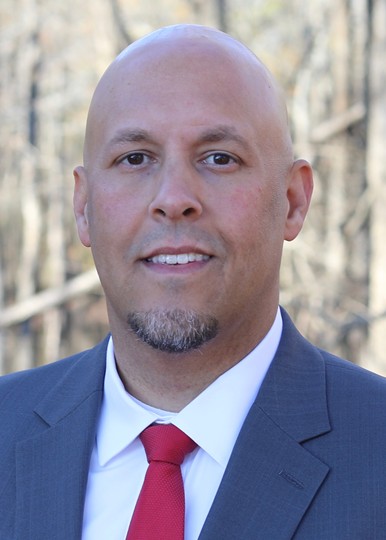
Becky Carney
100% support rate
Top opponent
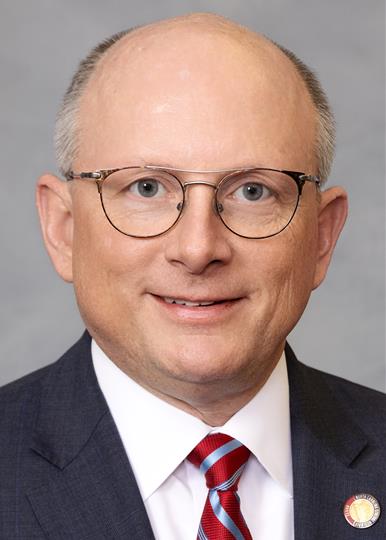
Jimmy Dixon
0% support rate
Ranked legislators
10
5 support · 5 oppose
Key legislators

Who's moving criminal justice in North Carolina

Legislators moving criminal justice in North Carolina
Legislator Party Stance Support rate Votes
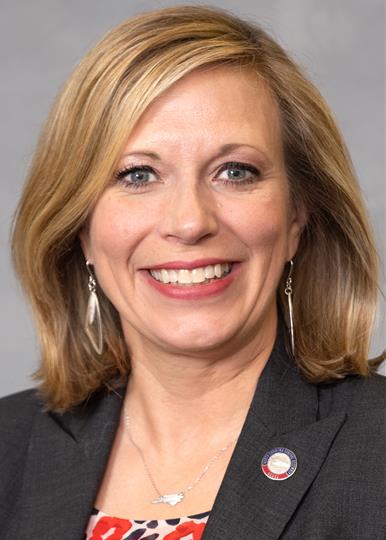
Becky Carney
Becky Carney House · District 102
D
Strong +
100% 42
Sarah Crawford
Sarah Crawford House · District 66
D
Strong +
100% 42
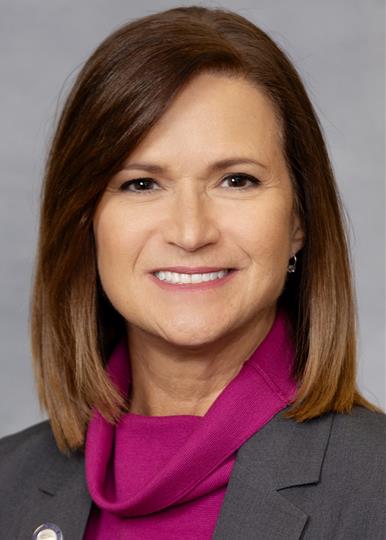
Deb Butler
Deb Butler House · District 18
D
Strong +
100% 37
Maria Cervania
Maria Cervania House · District 41
D
Strong +
100% 42
Allison Dahle
Allison Dahle House · District 11
D
Strong +
100% 41
Jimmy Dixon
Jimmy Dixon House · District 4
R
Strong −
0% 39
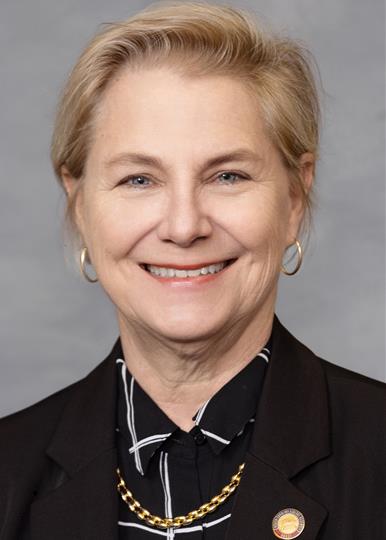
Celeste Cairns
Celeste Cairns House · District 13
R
Strong −
0% 40
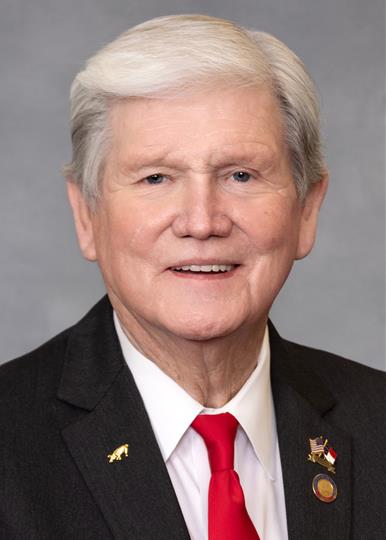
John Lowery
John Lowery House · District 47
R
Strong −
0% 28
Tim Reeder
Tim Reeder House · District 9
R
Strong −
0% 41
Donny Lambeth
Donny Lambeth House · District 75
R
Strong −
0% 40
Showing 131–140 of 214 bills

All criminal justice bills

in committee · North Carolina · Senate Mar 13, 2025

SB 274: Repeal Crime Against Nature Law.

SB 274 repeals North Carolina’s "crime against nature" law (G.S. 14-177) while creating a new criminal offense for bestiality (G.S. 14-363.4), defined as sexual acts between a person and an animal. The bill directly affects professional educators whose licenses could previously be revoked for "crime against nature" convictions, as it removes that offense from licensing disqualifiers but adds "bestiality" as a new grounds for automatic license revocation. It also updates legal references in statutes related to juvenile offenses and educator licensing to reflect these changes. The new bestiality law carries a Class I felony penalty. The bill takes effect December 1, 2025, for offenses committed on or after that date.
Sub-Topics Juvenile Justice
signed · North Carolina · Senate Jul 9, 2025

SB 311: The Law and Order Act.

SB 311, titled "The Law and Order Act," increases penalties for assaulting utility and communications workers while they are identifiable in uniform and performing duties. It also creates new offenses, including criminal possession of embalming fluid, larceny of gift cards, and unlawful possession of certain explosive devices. The bill enhances punishments for reckless driving causing death, hit-and-run offenses, and firearm use by felons during crimes, while adding a mitigating factor for impaired drivers using ignition interlocks. Additional provisions revise burglary penalties, expand workplace violence prevention to cover mass picketing, and establish civil liability for gift card theft. The bill directly affects workers in essential services and individuals committing specified violent or property crimes.
Sub-Topics Drug Policy Firearms
in committee · North Carolina · House Mar 11, 2025

HB 339: Economic Security Act.

HB 339, the Economic Security Act, raises North Carolina's minimum wage to $22 per hour effective January 2026, with annual inflation adjustments based on the Consumer Price Index. It mandates equal pay for equal work, requires paid sick leave and family medical leave for all employees, and strengthens workplace safety protections. The bill also restores inflation-adjusted unemployment benefits, ends wage theft, removes criminal history questions from job applications ("banning the box"), and expands tax credits for childcare and low-income workers. Additionally, it creates a presumption that essential workers infected with COVID-19 contracted it on the job and appropriates funds for cost-of-living adjustments for public retirees.
in committee · North Carolina · House Mar 20, 2025

HB 449: Crimes Against Minors/Revise Law.

HB 449 increases penalties for computer solicitation of minors, making second offenses or those involving actual meetings Class D felonies (up from Class H). It requires sex offender registration petitions to be filed with courts and placed on criminal dockets for timely review. The bill also creates new offenses: "habitual indecent exposure" (Class F felony for two prior convictions) and "aggravated habitual indecent exposure" (Class E felony), both mandating sex offender registration. These changes directly affect individuals convicted of repeated indecent exposure or online solicitation of minors in North Carolina.
died · North Carolina · Senate Apr 1, 2025

SB 361: Protecting First Responders Act.

SB 361, the "Protecting First Responders Act," increases criminal penalties for assaulting or exposing emergency medical technicians, firefighters, and other first responders to fentanyl or harmful substances. It criminalizes intentionally exposing these responders to fentanyl (a Class H felony) or causing serious injury through such exposure (Class G felony), and imposes a Class I felony for failing to warn responders about fentanyl at a scene. The bill appropriates $10.35 million in nonrecurring funds for the 2025-2026 fiscal year to provide bulletproof vests ($8.1 million) and bulletproof backpack plates ($2.25 million) to paramedics and EMTs through grants. These provisions apply to first responders registered with North Carolina’s Office of Emergency Medical Services, with funding effective July 1, 2025, and criminal provisions effective December 1, 2025.
died · North Carolina · House Jun 17, 2025

HB 923: Protect Personal Information/Judicial Personnel.

HB 923 requires North Carolina counties and cities to remove specific personal information (such as physical addresses and phone numbers, but not names) from public websites when requested by certain legal professionals. Eligible requesters include state judges, prosecutors, public defenders, and federal law enforcement attorneys, who must submit written requests with required details. The bill mandates that local governments remove the information upon valid request, keep requests confidential, and prohibit re-adding the information without a written revocation. It also strengthens protections for law enforcement officers' residence details in personnel files, ensuring such information remains non-public except for safety-related disclosures.
Sub-Topics Data Privacy
in committee · North Carolina · Senate Mar 26, 2025

SB 616: Capacity Restoration Pilot Program.

SB 616 creates two pilot programs to provide alternatives to state psychiatric hospitals for individuals needing capacity restoration. The Community-Based Capacity Restoration Program (CBCRP) contracts with local community or regional programs, while the Detention Center Capacity Restoration Program (DCCRP) partners with county detention centers (with sheriff consent). Courts can order patients to participate in these programs instead of state hospitals, aligning with nearby psychiatric facilities. The bill directly affects patients, courts, and local health providers by expanding community-based care options. It does not change existing laws but establishes new contracting mechanisms for mental health services.
Sub-Topics Mental Health
in committee · North Carolina · House Apr 7, 2025

HB 764: Establish Death by Reckless Boating.

HB 764 creates new criminal offenses for causing death or serious injury through reckless boating in North Carolina. It defines "Death by Reckless Boating" and "Serious Injury by Reckless Boating" as unintentionally harming others while operating a vessel recklessly (but not impaired), with "Aggravated" versions applying to those with prior reckless boating convictions within seven years. Penalties range from a Class A1 misdemeanor for basic death cases to a Class F felony for aggravated death incidents. The bill also prevents double prosecution for the same incident under both this law and manslaughter statutes. This directly affects boat operators whose reckless actions cause harm, establishing specific legal consequences for those offenses.
signed · North Carolina · House Jul 2, 2025

HB 620: Administrative Office of the Courts Agency Requests.

HB 620 adds High Point University School of Law to the list of educational institutions receiving five free copies of appellate court reports annually. It establishes a new program within the Administrative Office of the Courts to oversee local accountability and recovery courts, requiring annual reports on their operation and effectiveness. The bill also prohibits modifying court forms without clear notation of changes and removes public notice requirements for name changes when applicants are in address confidentiality programs or victims of domestic violence, sexual offense, or stalking, keeping related records private. These changes directly affect courts, law schools, attorneys, and individuals seeking name changes.
in committee · North Carolina · Senate Mar 25, 2025

SB 406: Allow ERPOs to Prevent Suicides and Save Lives.

SB 406 would establish a new court process in North Carolina called Extreme Risk Protection Orders (ERPOs), allowing family members, law enforcement, or health care providers to seek temporary removal of firearms from individuals deemed to pose a significant risk of self-harm or harm to others. Courts could issue emergency orders without the person present if danger is imminent, requiring immediate surrender of firearms and ammunition, with seizure ordered if compliance fails. The bill mandates specific evidence in petitions (e.g., details on firearms and safety risks), includes due process safeguards like verifying existing protection orders, and waives court costs for petitioners. It also requires annual reports to the legislature tracking ERPO usage, including petitions filed, orders issued, and denials.
Sub-Topics Courts Firearms
Showing 131 to 140 of 214 bills
Previous 1 13 14 15 22 Next