Issue · Budget & Taxes

Budget & Taxes

Every budget & taxes bill, vote, and legislator stance in North Carolina, automatically classified by Maddy, our AI policy reader.

Total bills
713
2025-2026 Session
Top supporter
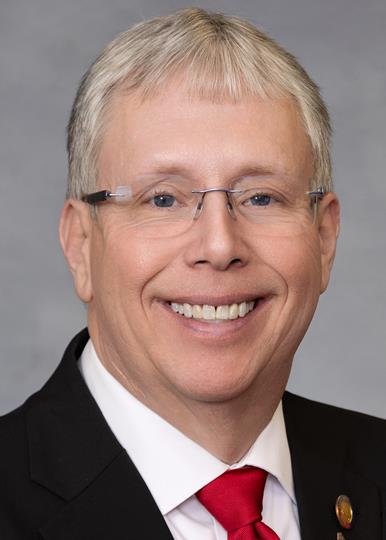
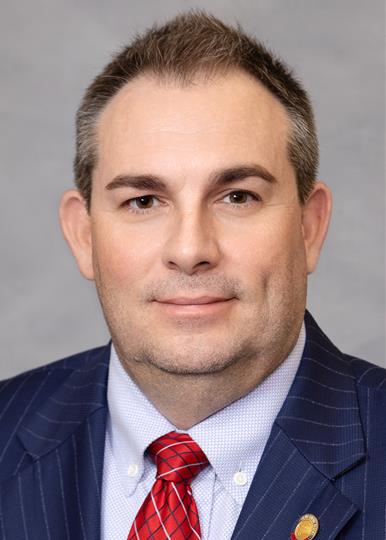
Mitchell Setzer
100% support rate
Top opponent
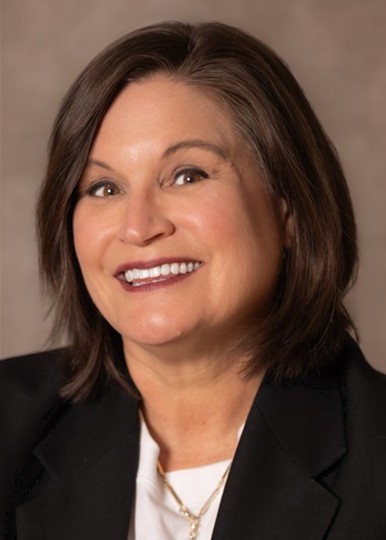
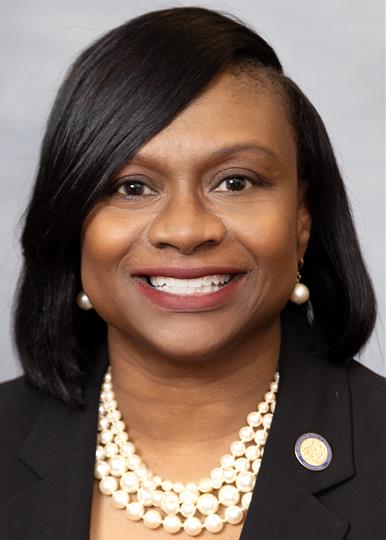
Amanda Cook
0% support rate
Ranked legislators
10
5 support · 5 oppose
Key legislators

Who's moving budget & taxes in North Carolina

Legislators moving budget & taxes in North Carolina
Legislator Party Stance Support rate Votes
Mitchell Setzer
Mitchell Setzer House · District 89
R
Strong +
100% 52
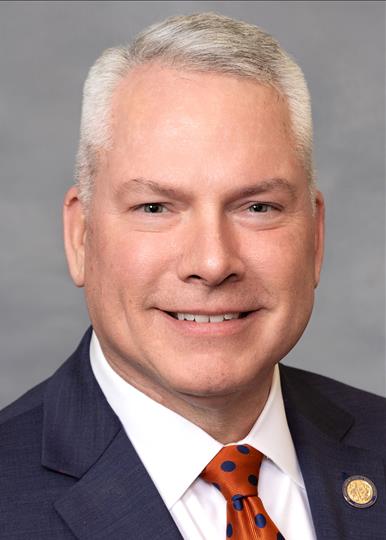
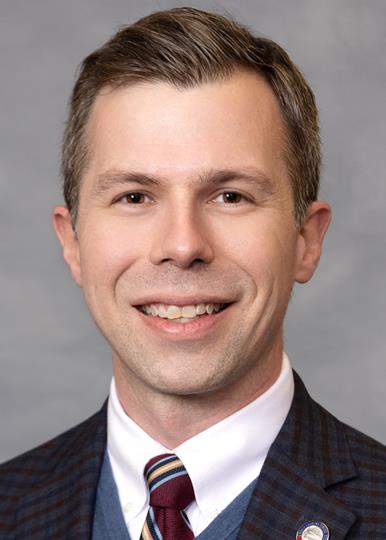
Grant Campbell
Grant Campbell House · District 83
R
Strong +
100% 50
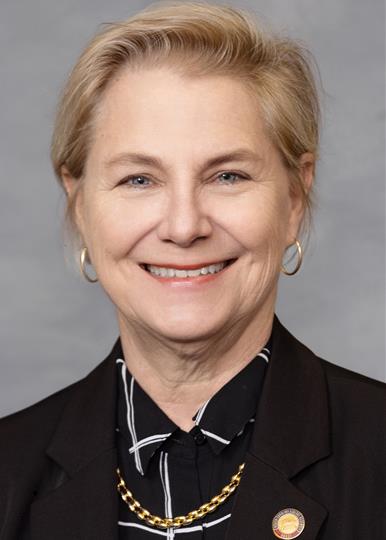
Anna Ferguson
Anna Ferguson House · District 119
R
Strong +
100% 20
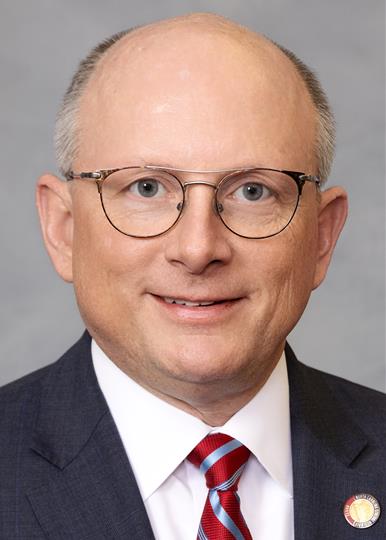
Tim Reeder
Tim Reeder House · District 9
R
Strong +
100% 51
John Bell
John Bell House · District 10
R
Strong +
100% 50
Amanda Cook
Amanda Cook House · District 60
D
Strong −
0% 20
Monika Johnson-Hostler
Monika Johnson-Hostler House · District 33
D
Strong −
8% 52
Marcia Morey
Marcia Morey House · District 30
D
Strong −
8% 52
Phil Rubin
Phil Rubin House · District 40
D
Strong −
8% 51
Deb Butler
Deb Butler House · District 18
D
Strong −
8% 50
Showing 621–630 of 713 bills

All budget & taxes bills

in committee · North Carolina · Senate Mar 26, 2025

SB 543: State Auditor to Audit Private Schools.

SB 543 requires the North Carolina State Auditor to periodically audit private schools that enroll students receiving state-funded scholarship grants under specific education programs. This bill directly affects nonpublic schools participating in state scholarship initiatives, mandating regular financial reviews of their use of public funds. The key provision adds this audit responsibility to the State Auditor's duties under existing law, ensuring transparency for taxpayer dollars spent on private education. The bill focuses on concrete financial oversight without altering scholarship eligibility or program structure. (Note: The bill is currently in early legislative stages as of March 2025.)
introduced · North Carolina · Senate Mar 25, 2025

SB 615: Property Tax Rate Transparency Act.

SB 615, the Property Tax Rate Transparency Act, requires local governments in North Carolina to hold a vote on whether to use a revenue-neutral tax rate during years when they conduct a general property reappraisal. This affects counties, cities, and other local governments that reappraise property values. The bill mandates that governing boards vote on adopting a tax rate calculated to maintain the same total tax revenue as the previous year (after accounting for new property values), rather than automatically adjusting rates based on reappraised values. If approved by a majority, the local government must use this revenue-neutral rate in its budget; otherwise, it follows standard tax levy procedures. This changes how local tax rates are set during reappraisal cycles, making the rate decision subject to a formal vote.
Sub-Topics Property Tax Revenue
died · North Carolina · Senate Mar 26, 2025

SB 534: Capital Project Funding at NCA&ampT/WSSU.

SB 534 allocates $237.5 million in one-time state funding from the Capital and Infrastructure Fund for capital projects at two North Carolina universities. Specifically, it provides $125 million to North Carolina A&T State University for an Agricultural Research Classroom and $112.5 million to Winston-Salem State University for a Health, Physical Education, and Recreation Complex. The funding is designated for the 2025-2026 fiscal year and becomes effective July 1, 2025. This bill directly affects the operations and infrastructure development of these two public universities.
in committee · North Carolina · Senate Mar 26, 2025

SB 627: Small Business Capital Improvement Account.

SB 627 allows North Carolina small businesses with annual gross receipts under $10 million to reduce their state income tax by deducting funds deposited into a special capital improvement account. Businesses can deduct up to 5% of their adjusted gross income (capped at $1 million), 2% (up to $2 million), or 1% (up to $3 million) for qualifying property improvements like upgrades that add value, extend property life by 10+ years, or adapt property for new business uses. Funds must be deposited into a federally insured bank account and used solely for these improvements; unused funds must be added back to taxable income. The bill takes effect for tax years beginning January 1, 2025, and directly affects small businesses making eligible capital investments.
Sub-Topics Business Taxes Income Tax Tax Incentives Tags Small Business
died · North Carolina · Senate Mar 26, 2025

SB 632: Homes for Heroes.

SB 632 ("Homes for Heroes") creates a homebuyers' assistance program for North Carolina public servants (including teachers, firefighters, law enforcement, and emergency medical personnel) who are first-time homebuyers. It provides up to $25,000 or 10% of a home's purchase price - covering down payments, mortgage insurance, and closing costs - using $200 million in state funds, with mortgage assistance limited to 60 months. Separately, it establishes a tax credit for volunteer firefighters and rescue workers who incur unreimbursed work expenses, capping the credit at $5,000 or the taxpayer's annual income tax liability, requiring 36 hours of annual training. The program begins July 1, 2025, and the tax credit applies to taxable years starting January 1, 2025.
in committee · North Carolina · Senate Mar 26, 2025

SB 621: An Act for Better Education.

SB 621 reinstates a temporary sales tax exemption for school supplies in North Carolina, effective July 1, 2025. The bill reenacts G.S. 105-164.13C, which exempts qualifying items like notebooks, pens, and backpacks from state sales tax during a designated period each year. This directly affects families purchasing school supplies for children, reducing their out-of-pocket costs. The policy change is limited to tax relief for specific items and does not alter education funding or curriculum.
in committee · North Carolina · Senate Mar 26, 2025

SB 641: Reenact Child Tax Credit.

SB 641 reenacts North Carolina's refundable child tax credit, providing financial support to low- and moderate-income families with children. It offers $1,900 annually for each child under age 6 and $1,600 for older qualifying children, with credit amounts phasing out based on income (e.g., married couples filing jointly receive full credit up to $40,000 AGI, reduced to $100 between $40,000-$100,000, and none above $100,000). The credit is refundable, meaning families may receive a cash payment if the credit exceeds their state tax liability. This policy directly affects North Carolina households with children who meet income thresholds, aiming to reduce child poverty by supplementing family income. The bill takes effect for tax years beginning January 1, 2025.
Sub-Topics Tax Credits
in committee · North Carolina · Senate Mar 26, 2025

SB 649: Restore Master's Pay for Teachers and ISP.

SB 649 reinstates education-based salary supplements for North Carolina public school teachers and instructional support personnel (ISP) who hold master's or doctoral degrees. It directs the State Board of Education to use the 2013 policy (TCP-A-006) to determine eligibility for the "M" salary schedule and degree-related pay supplements. The bill appropriates $8 million in recurring state funds for the 2025-2026 fiscal year to cover these reinstated supplements. This policy change directly affects educators with advanced degrees by restoring previously eliminated pay incentives tied to their academic credentials.
Sub-Topics Teachers
in committee · North Carolina · Senate Mar 26, 2025

SB 644: Green Schools Save Money.

SB 644 allocates $1.5 billion to North Carolina public schools for energy efficiency upgrades, solar panel installations, and replacing combustion-powered school buses with electric models. The bill provides specific funding: $1 billion for building improvements like high-efficiency lighting and HVAC upgrades, $250 million for solar panels on school rooftops, and $250 million to replace qualifying buses (over 10 years old and using motor fuel) with electric buses assembled in North Carolina. These changes directly affect all local school districts through funding tied to student enrollment, aiming to reduce energy costs and emissions. The program begins July 1, 2025, with concrete, measurable infrastructure changes as the core mechanism.
in committee · North Carolina · Senate Mar 26, 2025

SB 660: Honoring Sacrifice: NC Veterans Relief Act.

SB 660 increases the property tax exemption for disabled veterans in North Carolina from $45,000 to $75,000 of home value, effective for taxes starting July 2025. It also allows 100% disabled veterans to exclude their primary vehicle from property tax and creates a prequalification process to determine eligibility before purchasing a home. Local governments will be reimbursed by the state for 50% of revenue losses from these exemptions, capped at 1% of their general fund revenue. The bill directly affects North Carolina residents who are 100% disabled veterans or surviving spouses of such veterans.
Showing 621 to 630 of 713 bills
Previous 1 62 63 64 72 Next