

Maddy summarySB 657 creates an AI Analyst position within New Hampshire's Attorney General's office to monitor AI development and investigate deceptive uses, with $150,000 annually allocated for this role. It also establishes an AI Oversight Commission to study AI's impact on labor, health, education, and political campaigns, and to recommend policies. The bill adds civil penalties for businesses or entities using AI deceptively - such as generating misleading content without disclosure - allowing victims to seek damages of $1,000-$25,000 per violation. This directly affects consumers (protected from deceptive AI marketing), workers (monitored for wage or discrimination risks), and businesses (required to disclose AI use in commercial or political contexts).
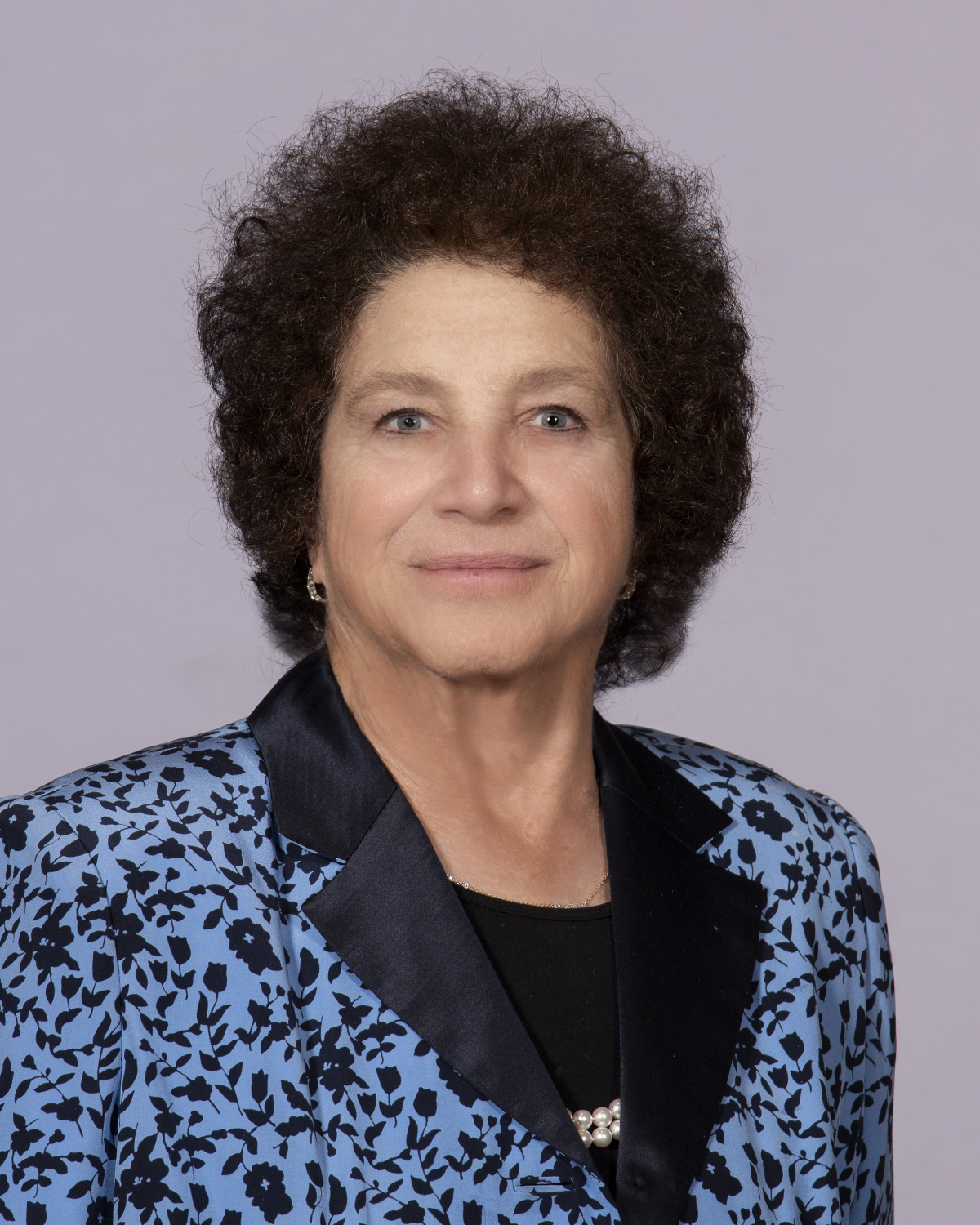
Sen. Cindy Rosenwald
Sponsored bills
Maddy summarySB 665 requires pharmacies to charge consumers the lowest available price for prescription drugs at the point of sale, directly affecting patients purchasing medications and pharmacies. The bill defines "lowest available price" as the minimum of the pharmacy’s cash price, the consumer’s insurance cost-sharing amount, or any available discount price at the time of transaction. Pharmacists must determine and disclose this price before completing the sale, and insurers cannot penalize pharmacies for doing so. Violations could result in disciplinary action by the pharmacy board or civil penalties up to $1,000 per violation, with the law taking effect January 1, 2027.
Maddy summarySB 480 prohibits health insurers from requiring prior authorization for the first 12 visits of physical therapy, occupational therapy, or similar rehabilitative services for each new health condition or condition not treated within the previous 60 days. Patients seeking these therapies and their insurers are directly affected by this change. Insurers may still deny coverage if treatment is determined not to be medically necessary. The law takes effect 60 days after enactment.
Maddy summarySB 640 prohibits using artificial intelligence to provide services requiring a professional license (such as psychology, mental health, or substance abuse counseling) unless those services are delivered by a licensed professional. The bill specifically bans AI from replacing human professionals in direct client interactions, though it allows AI for administrative tasks like scheduling or billing. It also authorizes the Office of Professional Licensure to collect fees to cover enforcement costs for violations. This applies to all licensed professions in New Hampshire, with additional specific rules for psychologists and mental health practitioners.
Maddy summaryThis bill allows students in New Hampshire public schools and camps to use over-the-counter sunscreen without a doctor's note or prescription. School and camp staff may assist with application upon parental permission, and the law requires schools to implement age-appropriate skin cancer prevention education covering UV risks and protective measures like sunscreen and sun-protective clothing (e.g., hats). It also protects staff from liability when following these guidelines, addressing current barriers where some schools prohibited sunscreen due to "medication bans."
Maddy summarySB 433, the "Seizure Safe Schools Act," requires New Hampshire public, charter, and private schools to train at least two staff members per school (by the 2026-27 school year) to recognize seizures and administer FDA-approved seizure rescue medication. It mandates parental consent for medication use, including written authorization, healthcare provider documentation, and individualized "seizure action plans" for students with seizure disorders. Schools must store medication securely and provide 75 minutes of training every two years for relevant staff on seizure recognition and first aid. The law applies only to schools with students requiring FDA-approved seizure medication, ensuring protocols align with medical guidelines while protecting trained staff from liability.
Maddy summarySB 427 revises salary ranges for specific unclassified state employee positions, primarily affecting medical examiners, corrections facility wardens, and fire safety directors. The bill updates salary brackets - such as raising the chief medical examiner's range from $210,000-$300,000 to $210,000-$350,000 - based on recommendations from the Joint Committee on Employee Classification. It does not create new positions or provide new funding, instead adjusting existing pay structures using current budget resources. The changes take effect July 1, 2026, and apply to roles identified in the bill’s amendments to state law.
Maddy summarySB 411 revises the procedure for creating inventories of property seized under search warrants in New Hampshire. It requires that the inventory be made in the presence of the person from whom property was taken (if present) or, if they are not present, in the presence of at least one neutral third-party witness. For electronic searches, officers may skip the witness requirement if they personally attest to the inventory's accuracy. This change applies to all law enforcement officers executing search warrants and takes effect January 1, 2027.
Maddy summarySB 533 requires New Hampshire's education freedom account program administrator to seek multiple bids from scholarship organizations every three years for overseeing and operating the program. This change affects how the state selects contractors managing the program, ensuring periodic competition for these contracts. The bill mandates a competitive bidding process every three years, subject to governor and executive council approval, to promote transparency in awarding contracts. It does not alter the program's eligibility or funding structure, only the contracting mechanism for its administration.
Maddy summaryHB 1138 limits how much out-of-state solid waste New Hampshire landfills can accept. It requires existing landfill operators (permit holders before 2026) to cap out-of-state waste at 30% of total waste by January 1, 2030. New landfills permitted after January 1, 2026, must limit out-of-state waste to 15% of total waste. The law takes effect 60 days after passage.