

Maddy summarySB 545 removes the asset limit (resource test) for New Hampshire's Medicare Savings Program, allowing seniors previously denied due to savings or assets to qualify. It also seeks federal approval to extend the low-income Medicare Part D subsidy, helping residents cover prescription drug costs. The bill directly affects approximately 2,033 additional seniors who were previously ineligible under the asset rule. This change would make program eligibility solely based on income, not savings or assets, with estimated annual state costs of $2.3 million from general funds.
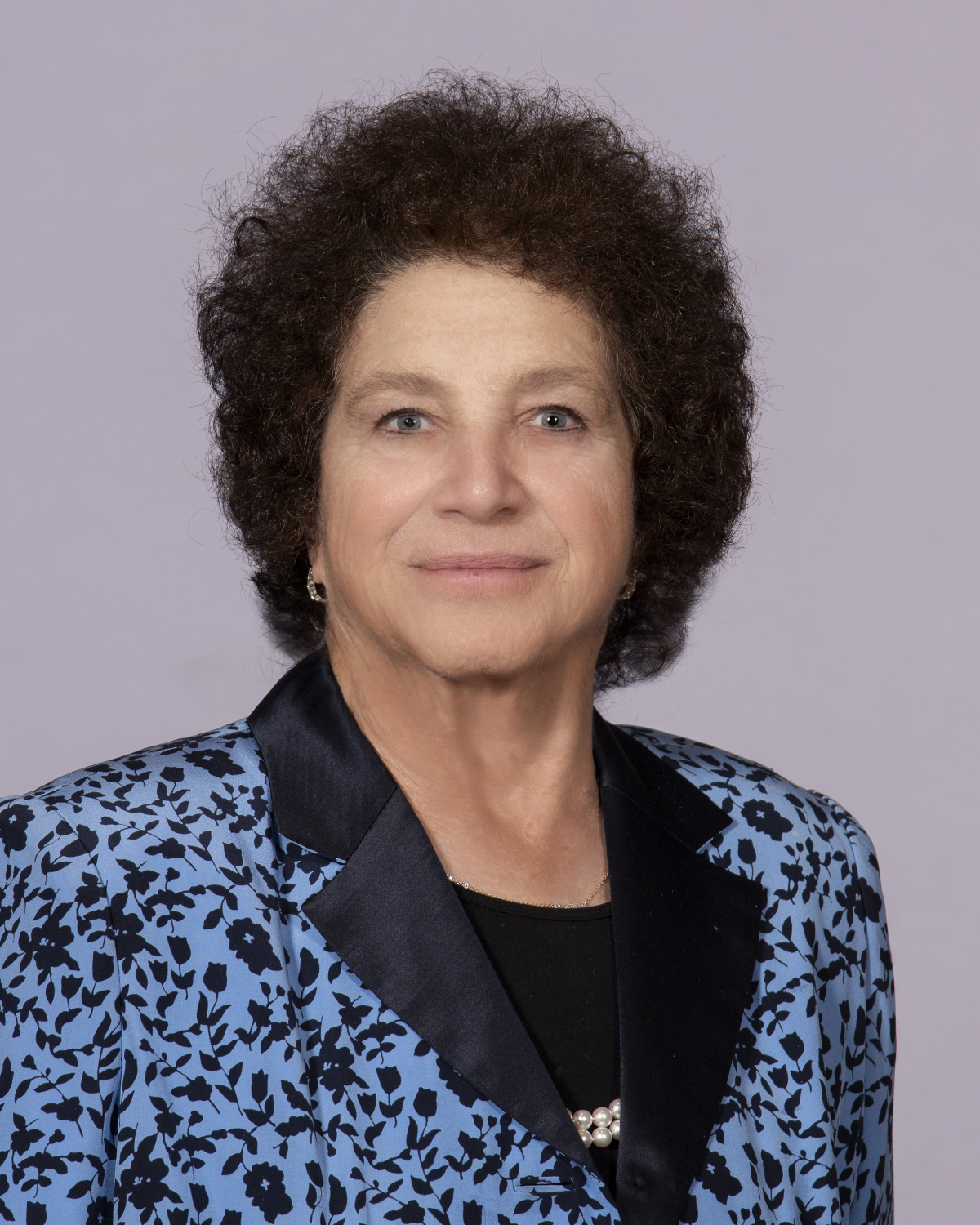
Sen. Cindy Rosenwald
Sponsored bills
Maddy summarySB 559 lowers the minimum speed limit on locally controlled roads from 25 mph to 20 mph in certain areas, including outside urban districts and within business or urban residential zones. Local authorities must base any speed limit reduction on engineering or traffic studies before implementing it. The bill does not require new funding or change existing enforcement, as it only modifies the minimum limit threshold in state law. This affects municipalities and town officials responsible for setting speed limits on local roads.
Maddy summaryHB 1602 creates a statewide program requiring battery manufacturers and brands (producers) to fund and manage the safe collection and recycling of covered batteries. It applies to portable batteries (under 4.4 lbs primary or 11 lbs rechargeable) and medium-format batteries (11-25 lbs), excluding medical device batteries, vehicle batteries, and lead-acid batteries over 11 pounds. Producers must join a "battery stewardship organization" that meets annual collection targets and follows environmental safety rules, with the Department of Environmental Services overseeing compliance. The program shifts recycling responsibility from consumers to producers, ensuring covered batteries are handled safely through a structured, industry-funded system.
Maddy summarySB 449 requires commercial or industrial entities with solar or wind systems between 1 and 5 megawatts (called "industrial hosts") to consume at least 33% of their own electricity generation annually. This applies to new systems installed after January 1, 2027, that participate in net metering. The rule does not apply to low-income customers as defined by utility regulations. The bill modifies New Hampshire's net metering rules to ensure larger systems primarily offset their own electricity use, rather than exporting excess power.
Maddy summarySB 182 renames the "maternal mortality review panel" to "maternal mortality review committee" and revises its membership to include specific health professionals like obstetricians, pediatric specialists, and community health representatives. It updates the definition of "pregnancy-related death" to include deaths from accidental or incidental causes, removing a prior exclusion. The committee will be administered by the Department of Health and Human Services and facilitated by the New Hampshire Perinatal Quality Collaborative (NHPQC) affiliated with Dartmouth Health. This bill aims to improve the review process for maternal deaths to identify systemic factors and recommend healthcare system changes.
Maddy summaryHB 1624 eliminates three state special funds: the radiation long-term care fund, mosquito control fund, and New Hampshire recovery monument special account. It repeals the legal references establishing these funds and transfers the remaining balance from the recovery monument account to the alcohol abuse prevention and treatment fund. The bill has a minor fiscal impact, costing less than $10,000 annually through 2029. This procedural bill directly affects state fund management by redirecting unused balances to a related public health fund.
Maddy summaryHB 1566 creates a backup state funding source to support child care employers in New Hampshire if federal funds cannot be used for recruitment and benefit grants. Specifically, it appropriates $15 million from the general fund for fiscal year 2027 (starting July 1, 2026) if the federal government denies permission to use Temporary Assistance for Needy Families (TANF) reserve funds for this purpose. The bill directly affects New Hampshire child care employers, providing them with grants to improve staff recruitment and benefits. This funding is contingent on the federal government's decision, which the Department of Health and Human Services anticipates will be denied, making the $15 million general fund appropriation likely to be used. The policy change ensures continued support for child care staffing without relying on federal approval.
Maddy summarySB 613 requires new health care facilities (like ambulatory surgical centers, walk-in care centers, or dialysis centers) planning to operate within 15 miles of a critical access hospital to provide written notice to that hospital. The notice, sent by certified mail, must describe the facility and its services before opening. This bill adds a notification step to current licensing requirements but does not alter facility approval standards or restrict new facilities. It directly affects health care providers seeking to establish services near existing critical access hospitals.
Maddy summarySB 476 requires hospitals to follow federal price transparency rules and provides a "good faith estimate" safe harbor, protecting them from penalties if cost estimates differ due to clinical changes or outside factors. It mandates health insurers to give personalized, pre-service cost estimates for scheduled services through their existing federal tools (Transparency in Coverage APIs), accessible via the state's HealthCost portal. The bill expands the state's health data system (CHIS/APCD) to power consumer cost comparisons for uninsured and out-of-network care without building new IT infrastructure. These changes directly affect hospitals, insurers, and consumers by making upfront health care costs clearer before treatment.
Maddy summarySB 645 expands New Hampshire's child care scholarship program to include families with gross monthly income at or below 95% of the state median income for their family size, increasing access for low-income households. The bill funds this expansion by redirecting 2% of tobacco tax revenue, liquor sales revenue, and video lottery revenue to the program, avoiding new state appropriations. This change, effective July 1, 2026, will require approximately $10.5 million annually starting in fiscal year 2027. The policy directly affects families seeking child care assistance, expanding eligibility without new taxes or general fund spending.