

Maddy summaryHouse Bill 4329, titled the "medical debt act," aims to regulate how medical debt information is handled for Michigan residents. The bill prohibits consumer reporting agencies from including adverse medical debt information in consumer reports, with an exception for large credit transactions exceeding a specified principal amount. It also requires collection agencies to avoid misrepresenting that medical debt will be reported and to include a specific disclosure statement about these reporting limitations in their initial communications. Individuals can bring a civil action to seek remedies for alleged violations of the act.
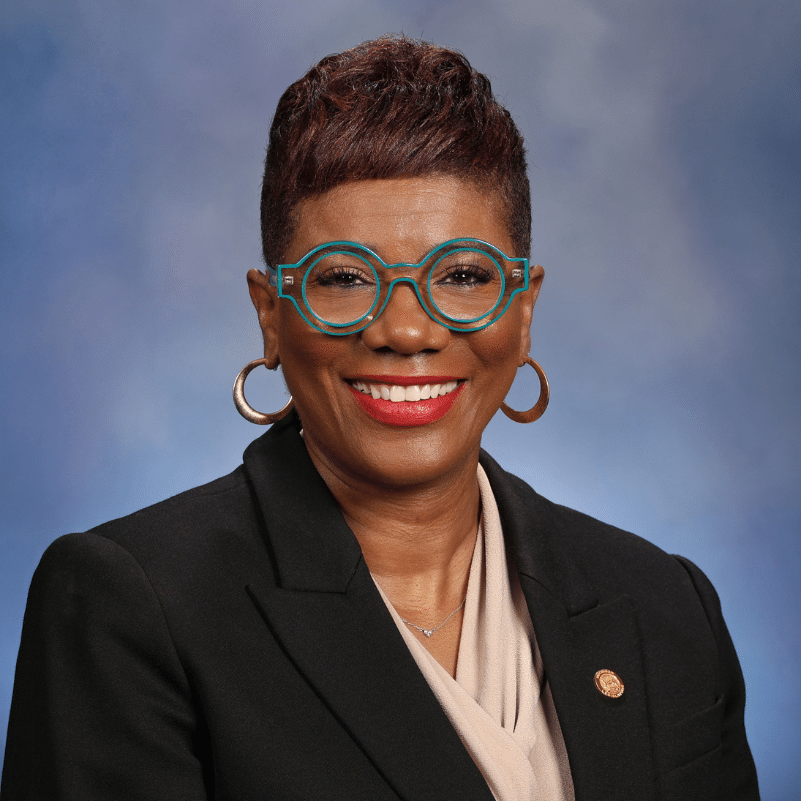
Rep. Cynthia Neeley
Sponsored bills
Maddy summaryHouse Resolution No. 59 declares April 11-17, 2025, as Black Maternal Health Week in the state of Michigan. This resolution encourages Michigan residents to observe the week with programs and activities that promote awareness, education, and action in support of Black maternal health.
Maddy summaryHB 4298 requires physicians to obtain written, informed consent for cosmetic breast implant surgery starting January 1, 2026. It mandates that doctors provide patients with specific information about surgical risks, manufacturer warnings, and a checklist covering implant-associated cancer risks (like ALCL and lymphoma), breast implant illness, FDA black box warnings, and safety reporting options. The Michigan Board of Medicine must develop this checklist by December 2025, in consultation with osteopathic boards and patient groups, and review it periodically. This directly affects patients seeking cosmetic breast implants and the physicians performing the procedures.
Maddy summaryThis resolution designates March 21, 2025, as Rosie the Riveter Day in Michigan to honor women who worked in factories during World War II, particularly in Michigan's Willow Run and Detroit facilities. It does not create new laws or obligations but encourages residents, schools, businesses, and organizations to observe the day through educational activities and community events. The bill specifically recognizes these women's contributions to wartime production and their role in advancing workplace equality. It is a symbolic gesture with no direct regulatory impact on individuals or entities.
Maddy summaryThis House Resolution (HR 51) is a symbolic request urging the U.S. Department of Homeland Security to release $56 million in FEMA disaster relief funds already allocated to Michigan. It directly affects Michigan's emergency management agencies, local governments, and nonprofits that rely on these funds for disaster response, recovery, and public safety programs. The resolution states delays in releasing these funds strain state resources and risk disrupting critical emergency services following natural disasters. As a non-binding resolution, it does not change funding policy but formally requests federal action.
Maddy summaryThis resolution designates March 21, 2025, as "Abolitionist Day" in Michigan to honor the state's history in the anti-slavery movement. It specifically recognizes Laura Smith Haviland, an Adrian, Michigan abolitionist who aided freedom seekers via the Underground Railroad and was inducted into the National Abolition Hall of Fame. The resolution has no policy or funding impact - it is purely commemorative. It directly affects Michigan residents by establishing an official state observance day. The resolution was introduced and adopted by the Michigan House on March 20, 2025.
Maddy summaryHB 4264, the "Job Applicant Credit Privacy Act," bans most employers in Michigan from using an applicant's credit history to make hiring decisions or asking about it during the recruitment process. It directly affects all job seekers and employers, except for specific roles in banking (state/nationally chartered banks, savings institutions, credit unions), licensed financial services, or casinos. The bill also prohibits employers from retaliating against applicants who oppose violations or participate in investigations, and bans any requirement for applicants to waive their rights under this law. Violators face civil lawsuits allowing for damages, injunctions, or attorney fees.
Maddy summaryThis resolution directs the Clerk of the House to present nine specific bills - passed by both legislative chambers in December 2024 and "enrolled" (formally prepared for the Governor) - to the Governor. It follows a court ruling (February 2025) that confirmed Michigan’s Constitution requires all passed bills to be presented to the Governor within 14 days, rejecting the House’s prior refusal to act. The resolution overrides a previous House attempt (Resolution 41) to delay this process and mandates immediate compliance with the court’s order. It affects the House Clerk, Governor, and the nine bills’ legislative timeline, ensuring they can proceed toward becoming law.
Maddy summaryHB 4167 amends Michigan's sentencing guidelines to specifically address the illicit use of xylazine, a veterinary drug increasingly misused in illicit drug mixtures. The bill adds xylazine to the list of substances covered under sentencing guidelines (MCL 777.13m), meaning courts must now apply standardized sentencing ranges for convictions involving its unauthorized possession or use. This directly affects individuals convicted of xylazine-related offenses, including those using it alone or combined with other drugs. The change creates a clear, defined sentencing path for this specific offense, moving beyond general drug sentencing rules to address xylazine's growing public health impact. The bill was introduced on March 5, 2025, and referred to the Judiciary Committee.
Maddy summaryHB 4166 prohibits the non-medical use of xylazine (a sedative sometimes mixed with drugs like fentanyl) in Michigan. It defines "illicit use" as any xylazine use not covered under "licit use," which includes legal veterinary applications, pharmaceutical manufacturing, or approved medical treatments. The bill amends Michigan's Public Health Code to make possessing or using xylazine for non-licensed purposes a felony, with penalties ranging from up to 20 years in prison or fines up to $1 million depending on the amount. This directly affects individuals using xylazine outside approved medical or veterinary contexts, aligning penalties with those for other controlled substances like opioids.