Issue · Criminal Justice

Criminal Justice

Every criminal justice bill, vote, and legislator stance in Michigan, automatically classified by Maddy, our AI policy reader.

Total bills
337
2025-2026 Regular Session
Top supporter
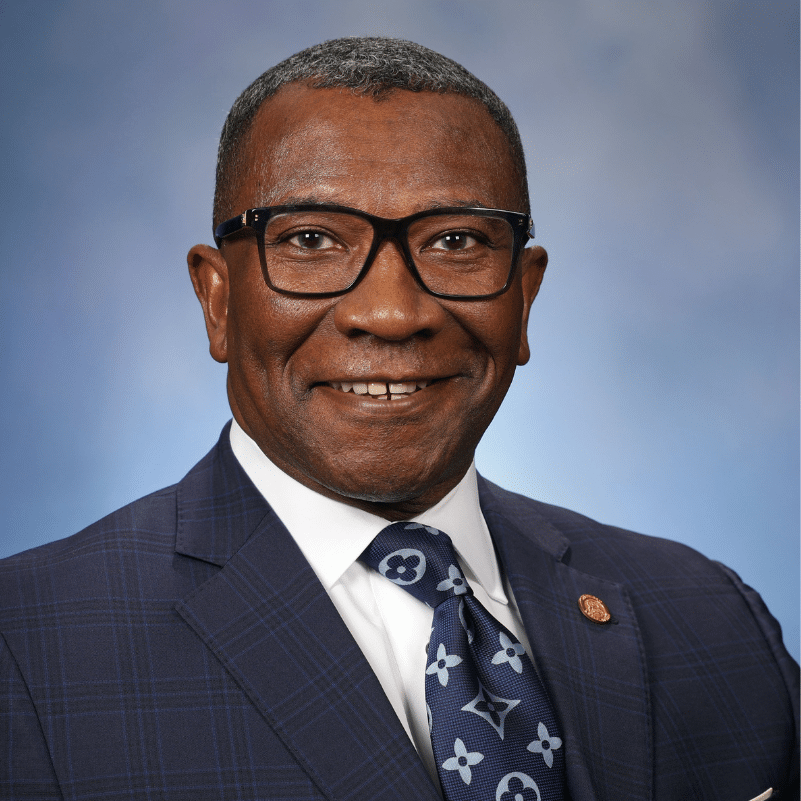
Amos O'Neal
100% support rate
Top opponent
Lana Theis
27% support rate
Ranked legislators
10
5 support · 5 oppose
Key legislators

Who's moving criminal justice in Michigan

Legislators moving criminal justice in Michigan
LegislatorPartyStanceSupport rateVotes
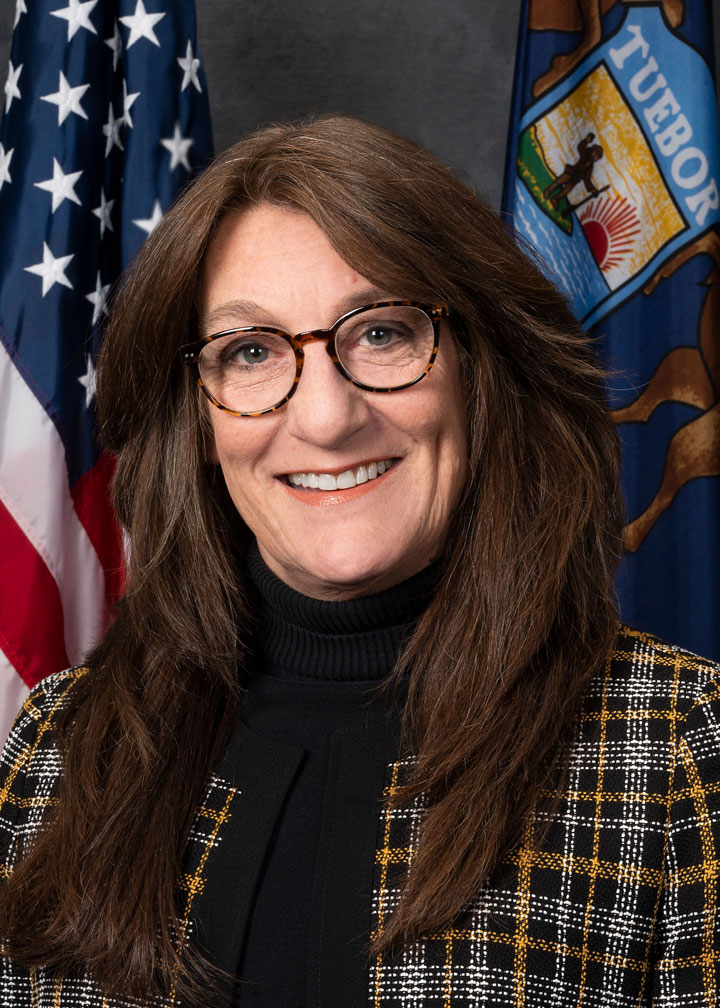
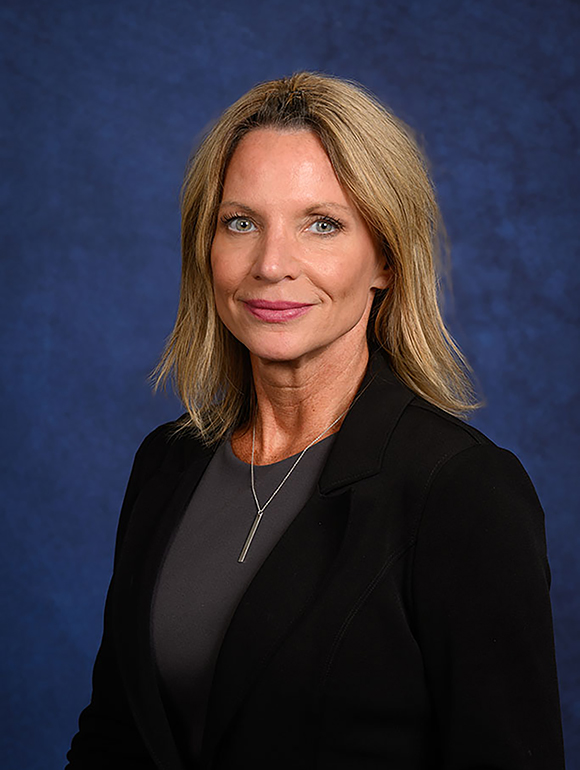
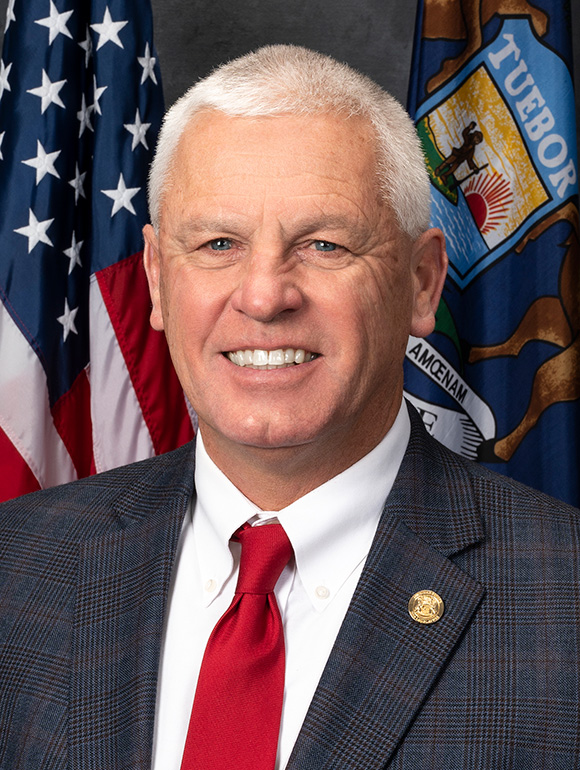
Amos O'Neal
Amos O'Neal House · District 94
D
Strong +
100%18
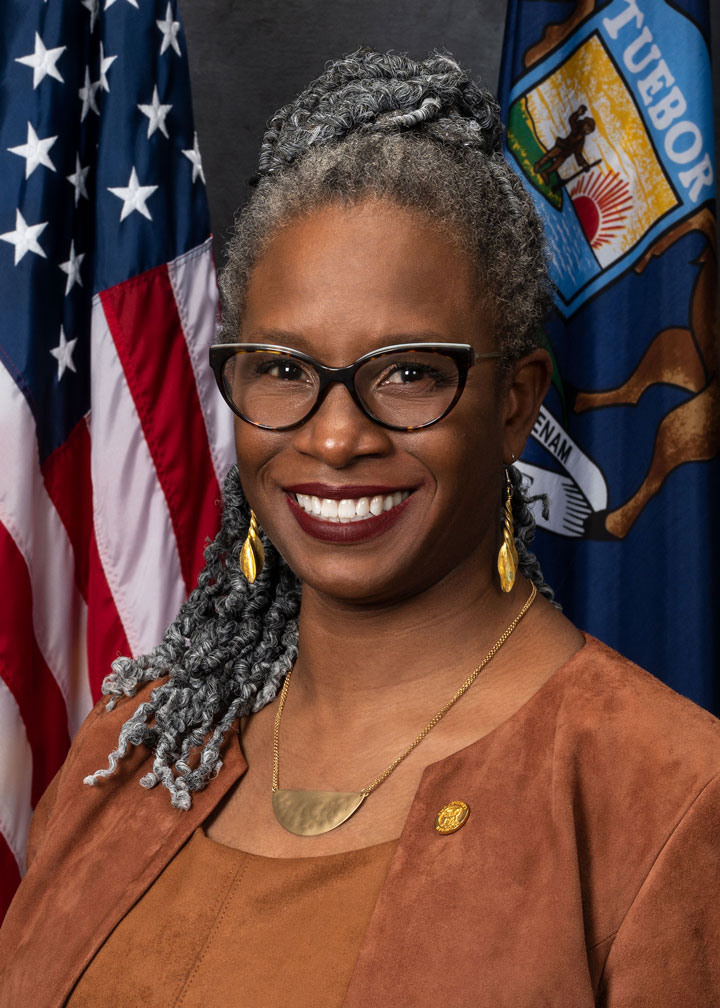
Erika Geiss
Erika Geiss Senate · District 1
D
Support
77%43
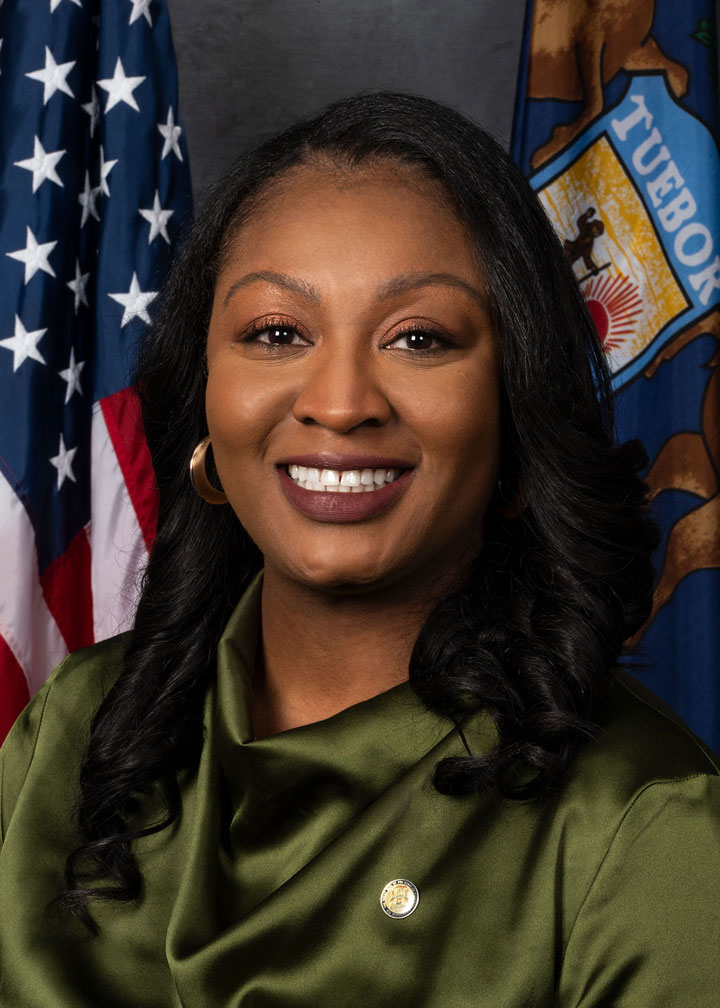
Sarah Anthony
Sarah Anthony Senate · District 21
D
Support
73%48
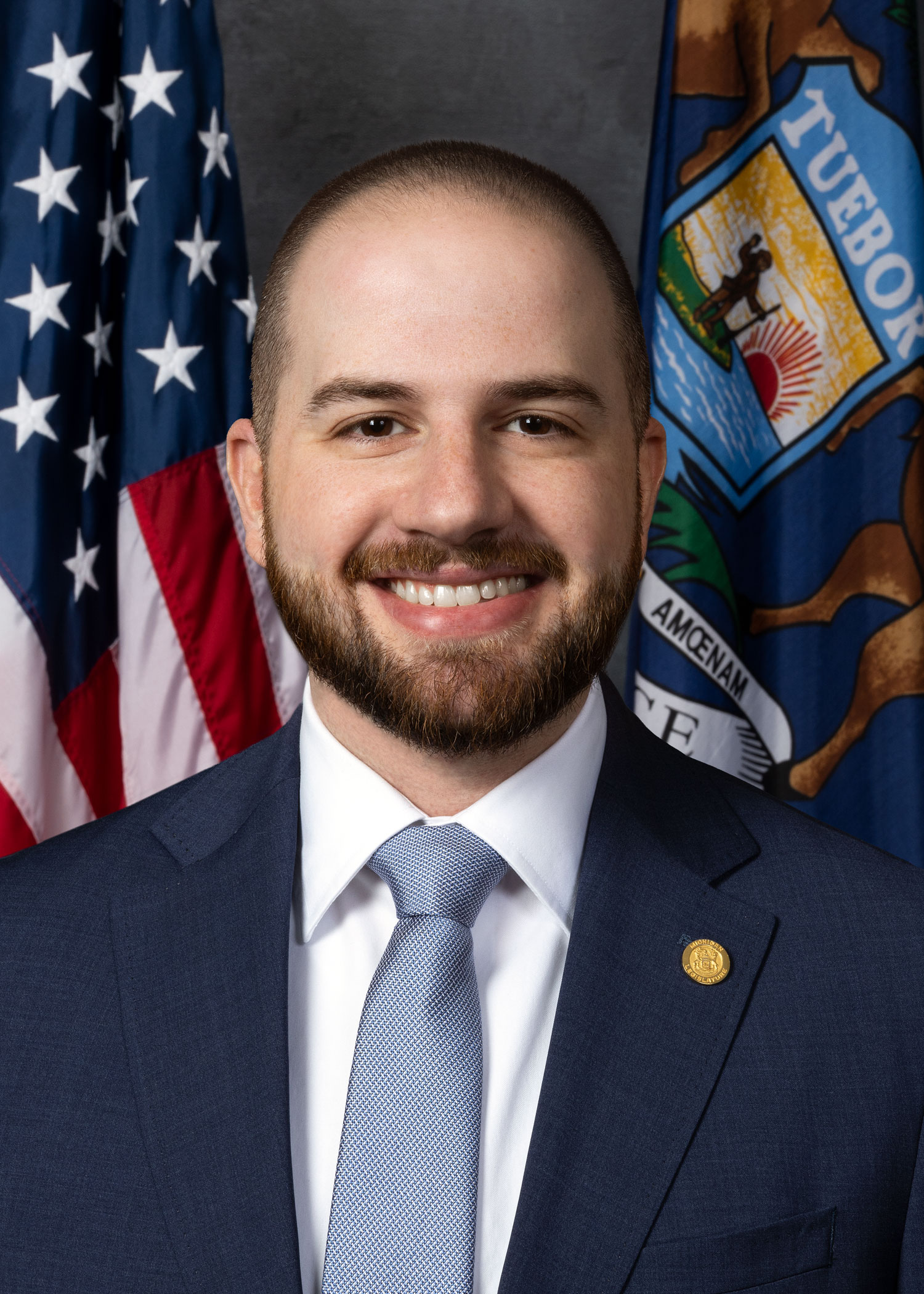
Jeremy Moss
Jeremy Moss Senate · District 7
D
Support
73%48
Veronica Klinefelt
Veronica Klinefelt Senate · District 11
D
Support
73%48
Lana Theis
Lana Theis Senate · District 22
R
Oppose
27%43
Jonathan Lindsey
Jonathan Lindsey Senate · District 17
R
Oppose
27%47
Michele Hoitenga
Michele Hoitenga Senate · District 36
R
Oppose
27%48
Thomas Albert
Thomas Albert Senate · District 18
R
Oppose
27%48
Jon Bumstead
Jon Bumstead Senate · District 32
R
Oppose
29%44
Showing 1–10 of 337 bills

All criminal justice bills

in committee · Michigan · House Aug 27, 2026

HB 6260: Crimes: criminal sexual conduct; penalties for criminal sexual conduct in the first degree; modify.

Michigan House Bill 6260 amends the state penal code to modify the legal definition of first-degree criminal sexual conduct and establish stricter sentencing guidelines for offenders. The bill expands the list of aggravating circumstances that elevate a crime to this most serious level, specifically including acts committed by school employees, volunteers, or child care providers who use their professional status to gain access to victims aged 13 to 15. It also broadens the definition of force and coercion to include situations where an actor uses medical treatment unethically or overcomes a victim through concealment or surprise. Regarding penalties, the bill mandates that anyone convicted of first-degree criminal sexual conduct must receive lifetime electronic monitoring in addition to their prison sentence. It increases the minimum prison term for adults who commit these acts against children under 13 and imposes a mandatory life sentence without parole for repeat offenders who have previously been convicted of similar crimes against young children.
in committee · Michigan · House Sep 1, 2026

HB 6279: Corrections: state facilities; certain health and safety standards in state correctional facilities; provide for. Amends 1953 PA 232 (MCL 791.201 - 791.285) by adding secs. 67c, 67e & 67f.

Michigan House Bill 6279 amends the state's corrections code to require the Department of Corrections to provide prisoners with timely access to medical, dental, optical, and mental health care while ensuring privacy and dignity during treatment. The legislation mandates that the department identify and address the needs of prisoners with disabilities by providing assistive equipment such as wheelchairs and hearing aids. Additionally, it requires the maintenance of safe environmental conditions, including proper sanitation and ventilation, to prevent risks to prisoner health. Prisoners who believe these standards are not met can file grievances through the existing departmental system.
in committee · Michigan · House Sep 1, 2026

HB 6276: Corrections: parole; period of parole for certain offenses; modify. Amends sec. 42 of 1953 PA 232 (MCL 791.242).

Michigan House Bill 6276 amends the state's corrections code to modify parole eligibility for specific serious crimes. The bill establishes a minimum five-year parole period for offenses including murder, actual forcible rape, armed robbery, kidnapping, extortion, and nighttime breaking and entering of an occupied dwelling, unless the remaining sentence is shorter than that timeframe. Additionally, it mandates that prisoners sentenced under specific provisions of the Michigan penal code must receive life parole rather than a fixed-term release.
in committee · Michigan · House Sep 1, 2026

HB 6284: Weapons: firearms; sentencing guidelines; update. Amends sec. 16m of 1927 PA 175 (MCL 777.16m). TIE BAR WITH: HB 6285'26

Michigan House Bill 6284 updates the state's sentencing guidelines by amending Section 16m of the Code of Criminal Procedure to include specific firearm-related felonies. The bill creates a comprehensive list of offenses, ranging from selling firearms to minors and prohibited persons to discharging guns in vehicles or at dwellings, assigning each a specific classification level and maximum prison sentence. These classifications determine how judges calculate sentences for these crimes, with penalties varying based on the severity of the act and any resulting injuries or deaths. The legislation is tied to House Bill 6285 and will not take effect unless that companion bill is also enacted into law.
in committee · Michigan · House Aug 27, 2026

HB 6263: Crimes: criminal sexual conduct; penalties for criminal sexual conduct in the fourth degree; modify.

Michigan House Bill 6263 amends the state penal code to expand the definition of fourth-degree criminal sexual conduct, which is classified as a misdemeanor felony. The bill specifically targets individuals who engage in sexual contact with minors aged 16 to 17 who are students, or young adults aged 16 to 25 receiving special education services, when the perpetrator is a teacher, school employee, volunteer, or other authority figure using their position to gain access to the victim. It also includes provisions for sexual contact involving foster care residents and mental health patients, while maintaining existing penalties of up to two years in prison or a fine of $500.
in committee · Michigan · House Sep 1, 2026

HB 6280: Corrections: state facilities; use of certain recording devices in medical settings in state correctional facilities; provide for. Amends 1953 PA 232 (MCL 791.201 - 791.285) by adding sec. 67d.

Michigan House Bill 6280 requires the state Department of Corrections to establish specific policies governing the use of recording devices in sensitive medical settings within correctional facilities. The bill limits the use of audio, video, or photographic recording to situations where it is reasonably necessary for safety, security, or documentation purposes. It mandates that any recording must be conducted in a way that minimizes intrusion on prisoner privacy and requires staff to document the specific reason for using the device. Additionally, the legislation requires the department to maintain policies for the retention, storage, and access of these recordings in compliance with existing laws.
Sub-Topics Corrections
in committee · Michigan · House Sep 1, 2026

HB 6275: Criminal procedure: evidence; applicability of rules of evidence at preliminary examination; modify. Amends sec. 11b, ch. VI of 1927 PA 175 (MCL 766.11b).

This bill modifies Michigan's criminal procedure rules to clarify which types of hearsay evidence are admissible during preliminary examinations without requiring the original author or record keeper to testify. It specifically permits the use of drug analysis reports, certified court records, business records, and various law enforcement reports, such as forensic science findings and autopsy results, in these proceedings. Additionally, the legislation requires magistrates to allow prosecutors to subpoena law enforcement officers to provide hearsay testimony from victims or witnesses in cases involving assaultive crimes, home invasions, or arson.
in committee · Michigan · House Sep 1, 2026

HB 6301: Courts: other; failure to appear reporting requirements; mandate, and require court to publish certain public information related to warrants. Amends 1927 PA 175 (MCL 760.1 - 777.69) by adding sec. 3a to ch. IV.

Effective October 1, 2026, Michigan courts are required to publish specific performance metrics on their websites to improve transparency regarding case management. The bill mandates that each court display its failure-to-appear rate and fugitive rate, which measure the proportion of defendants or supervised individuals who miss scheduled court dates or escape supervision. Additionally, courts must list the total number of active warrants they hold, categorized separately by traffic, misdemeanor, and felony offenses.
Sub-Topics Courts
in committee · Michigan · House Sep 1, 2026

HB 6296: Children: services; juvenile justice and child welfare training institute and youth and family justice bureau; establish. Amends secs. 13a, 18f, 18q, 19 & 19a, ch. XIIA of 1939 PA 288 (MCL 712A.13a et seq.) & adds secs. 16b, 18u & 18v to ch. XIIA.

Michigan House Bill 6296 establishes a new Youth and Family Justice Bureau within the Department of Licensing and Regulatory Affairs to oversee juvenile justice standards, collect data, and monitor detention facilities. The bill also creates a Juvenile Justice and Child Welfare Training Institute, developed in collaboration with state courts and a public university, to provide standardized training and maintain centralized records for staff working in the juvenile system. Additionally, the legislation amends existing child welfare laws to mandate more frequent court review hearings, require regular parenting time for removed children, and set specific timelines for permanency planning decisions regarding foster care placements.
in committee · Michigan · House Sep 1, 2026

HB 6298: Appropriations: supplemental; funding for the youth and family justice bureau; provide for. Creates appropriation act.

Michigan House Bill 6298 is a supplemental appropriations act that reallocates funds within the Department of Health and Human Services for the fiscal year ending September 30, 2026. The bill directs $150 million to the newly established Youth and Family Justice Bureau while reducing allocations for other child welfare functions, including foster care payments and local office staff compliance. These funding shifts are intended to support the specific powers and duties of the bureau as defined in the state probate code, effectively consolidating resources under this new agency structure.
Showing 1 to 10 of 337 bills
1 2 3 34 Next