Issue · Criminal Justice

Criminal Justice

Every criminal justice bill, vote, and legislator stance in Michigan, automatically classified by Maddy, our AI policy reader.

Total bills
98
2025-2026 Regular Session
Top supporter
Amos O'Neal
100% support rate
Top opponent
Lana Theis
27% support rate
Ranked legislators
10
5 support · 5 oppose
Key legislators

Who's moving criminal justice in Michigan

Legislators moving criminal justice in Michigan
Legislator Party Stance Support rate Votes
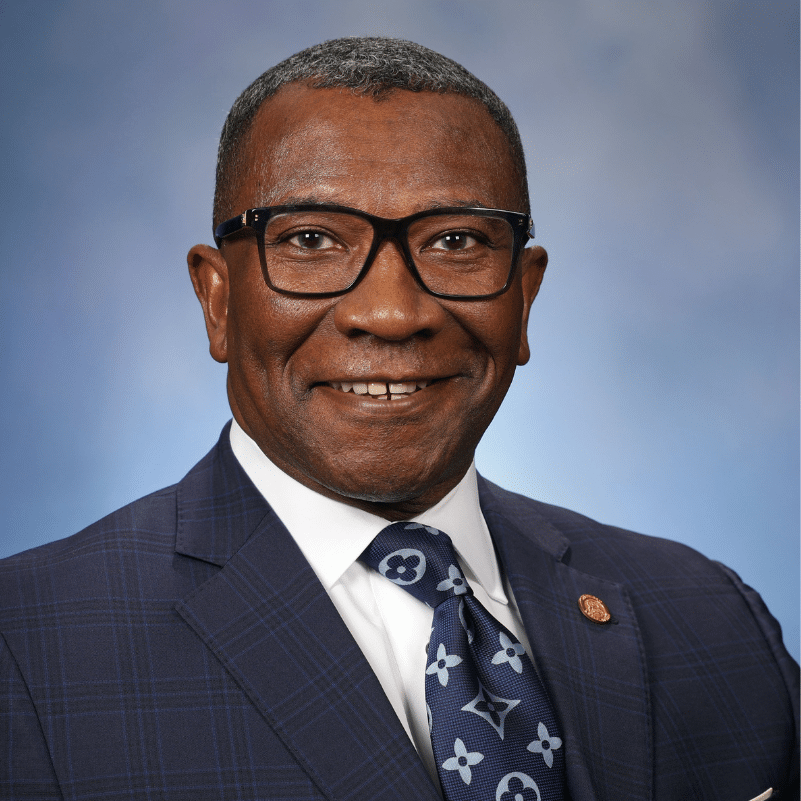
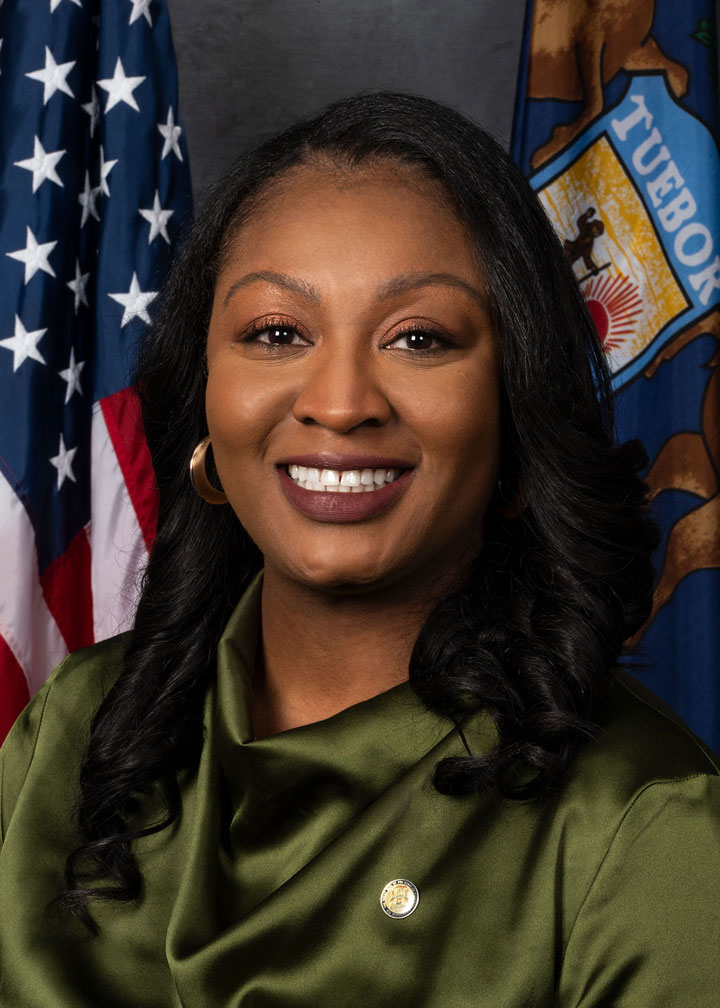
Amos O'Neal
Amos O'Neal House · District 94
D
Strong +
100% 18
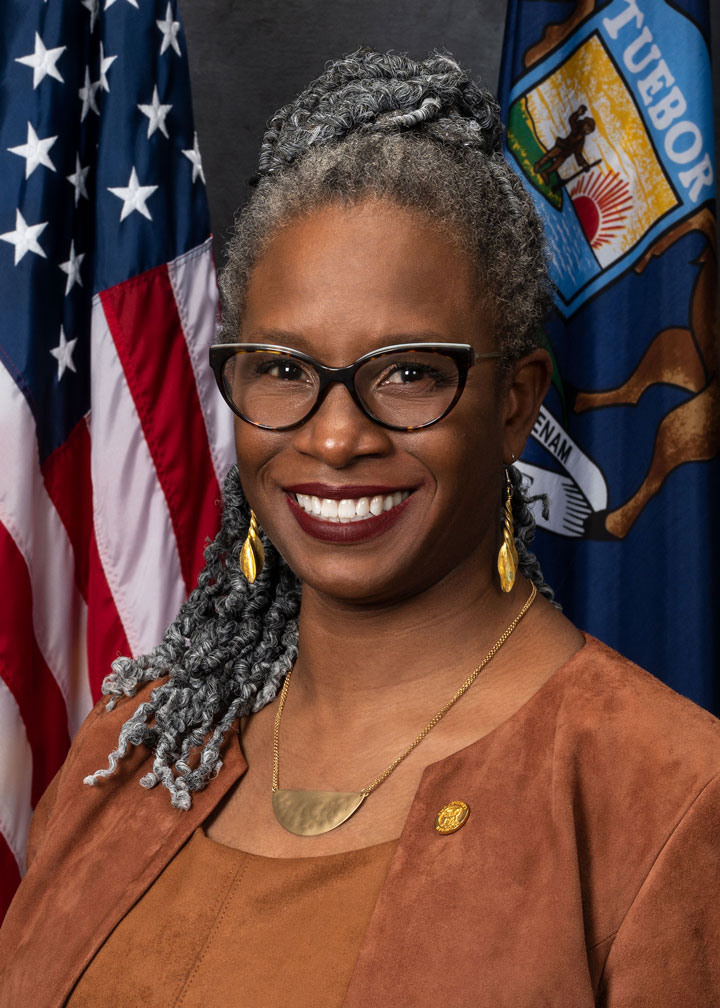
Erika Geiss
Erika Geiss Senate · District 1
D
Support
77% 43
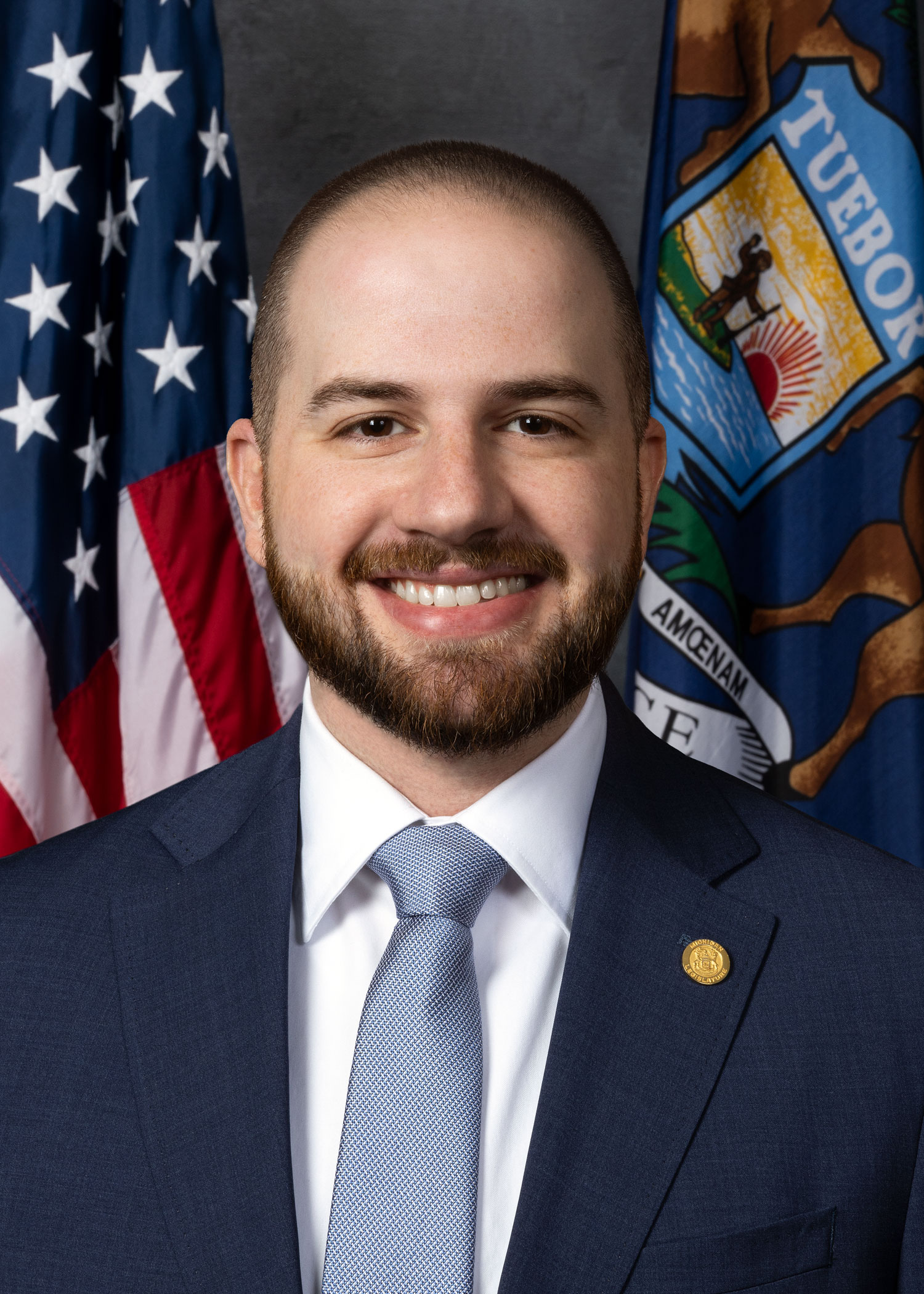
Jeremy Moss
Jeremy Moss Senate · District 7
D
Support
73% 48
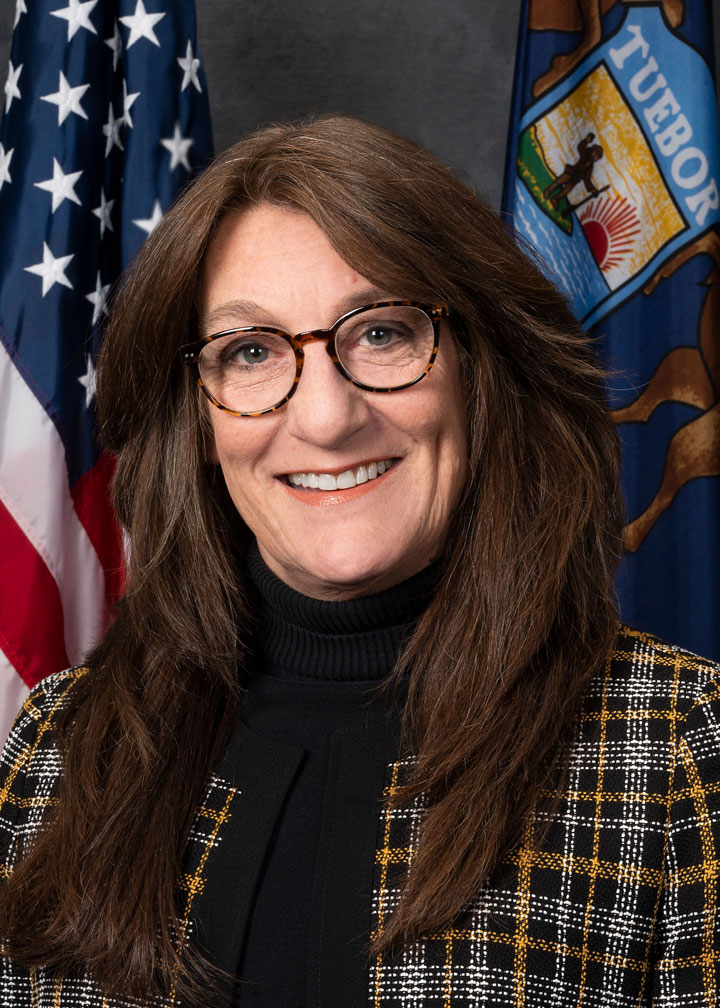
Veronica Klinefelt
Veronica Klinefelt Senate · District 11
D
Support
73% 48
Sarah Anthony
Sarah Anthony Senate · District 21
D
Support
73% 48
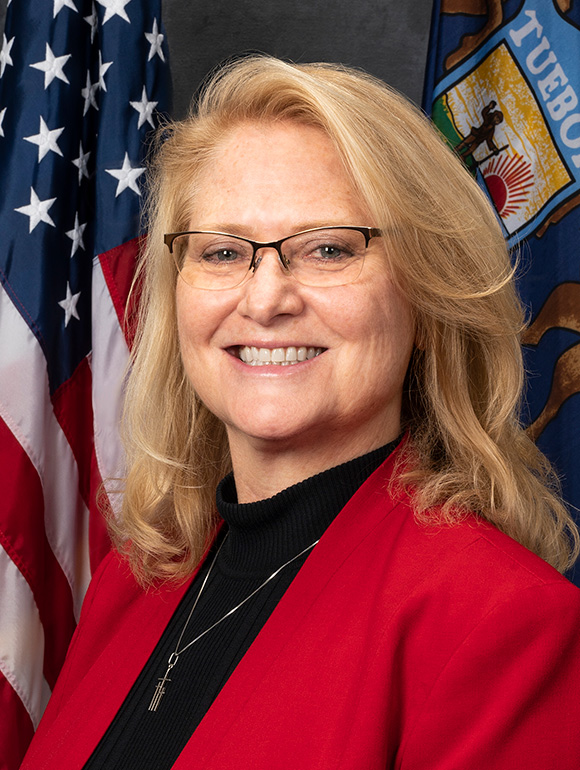
Lana Theis
Lana Theis Senate · District 22
R
Oppose
27% 43
Thomas Albert
Thomas Albert Senate · District 18
R
Oppose
27% 48
Michele Hoitenga
Michele Hoitenga Senate · District 36
R
Oppose
27% 48
Jonathan Lindsey
Jonathan Lindsey Senate · District 17
R
Oppose
27% 47
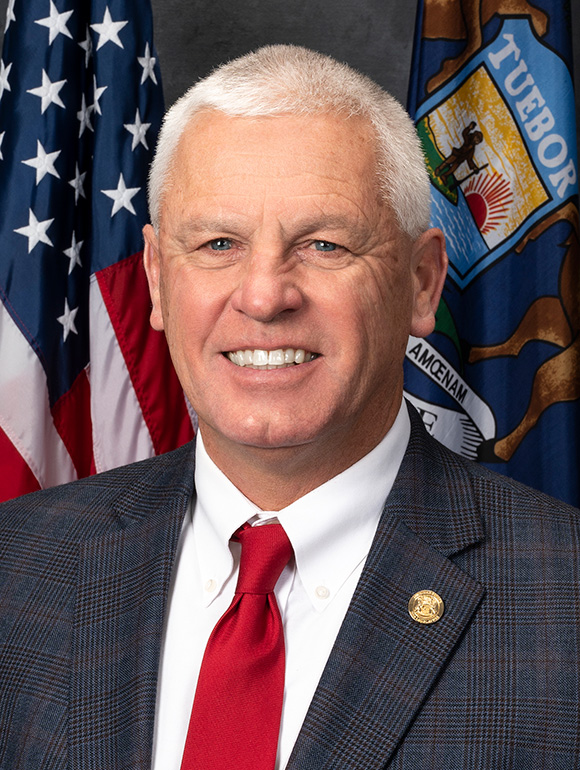
Jon Bumstead
Jon Bumstead Senate · District 32
R
Oppose
29% 44
Showing 1–10 of 98 bills

All criminal justice bills

in committee · Michigan · House Aug 27, 2026

HB 6260: Crimes: criminal sexual conduct; penalties for criminal sexual conduct in the first degree; modify.

Michigan House Bill 6260 amends the state penal code to modify the legal definition of first-degree criminal sexual conduct and establish stricter sentencing guidelines for offenders. The bill expands the list of aggravating circumstances that elevate a crime to this most serious level, specifically including acts committed by school employees, volunteers, or child care providers who use their professional status to gain access to victims aged 13 to 15. It also broadens the definition of force and coercion to include situations where an actor uses medical treatment unethically or overcomes a victim through concealment or surprise. Regarding penalties, the bill mandates that anyone convicted of first-degree criminal sexual conduct must receive lifetime electronic monitoring in addition to their prison sentence. It increases the minimum prison term for adults who commit these acts against children under 13 and imposes a mandatory life sentence without parole for repeat offenders who have previously been convicted of similar crimes against young children.
in committee · Michigan · House Sep 1, 2026

HB 6276: Corrections: parole; period of parole for certain offenses; modify. Amends sec. 42 of 1953 PA 232 (MCL 791.242).

Michigan House Bill 6276 amends the state's corrections code to modify parole eligibility for specific serious crimes. The bill establishes a minimum five-year parole period for offenses including murder, actual forcible rape, armed robbery, kidnapping, extortion, and nighttime breaking and entering of an occupied dwelling, unless the remaining sentence is shorter than that timeframe. Additionally, it mandates that prisoners sentenced under specific provisions of the Michigan penal code must receive life parole rather than a fixed-term release.
in committee · Michigan · House Sep 1, 2026

HB 6284: Weapons: firearms; sentencing guidelines; update. Amends sec. 16m of 1927 PA 175 (MCL 777.16m). TIE BAR WITH: HB 6285'26

Michigan House Bill 6284 updates the state's sentencing guidelines by amending Section 16m of the Code of Criminal Procedure to include specific firearm-related felonies. The bill creates a comprehensive list of offenses, ranging from selling firearms to minors and prohibited persons to discharging guns in vehicles or at dwellings, assigning each a specific classification level and maximum prison sentence. These classifications determine how judges calculate sentences for these crimes, with penalties varying based on the severity of the act and any resulting injuries or deaths. The legislation is tied to House Bill 6285 and will not take effect unless that companion bill is also enacted into law.
in committee · Michigan · House Aug 27, 2026

HB 6263: Crimes: criminal sexual conduct; penalties for criminal sexual conduct in the fourth degree; modify.

Michigan House Bill 6263 amends the state penal code to expand the definition of fourth-degree criminal sexual conduct, which is classified as a misdemeanor felony. The bill specifically targets individuals who engage in sexual contact with minors aged 16 to 17 who are students, or young adults aged 16 to 25 receiving special education services, when the perpetrator is a teacher, school employee, volunteer, or other authority figure using their position to gain access to the victim. It also includes provisions for sexual contact involving foster care residents and mental health patients, while maintaining existing penalties of up to two years in prison or a fine of $500.
in committee · Michigan · House Aug 27, 2026

HB 6262: Crimes: criminal sexual conduct; penalties for criminal sexual conduct in the third degree; modify.

Michigan House Bill 6262 amends the state penal code to expand the definition of third-degree criminal sexual conduct, which applies to individuals who engage in sexual penetration under specific circumstances such as involving a minor, using force, or exploiting a position of trust. The bill adds new provisions that criminalize such acts when the victim is a student aged 16 to 17 with a school employee, a person receiving special education services up to age 25, or a resident of a child care or foster home who is at least 16 years old. It also introduces an affirmative defense for victims in incest cases where they were coerced by an authority figure and excludes married couples from certain incest charges. The legislation increases the minimum prison sentence for this felony from five to 15 years, with a maximum penalty of life imprisonment, and takes effect 90 days after enactment.
Sub-Topics Corrections
in committee · Michigan · House Jul 14, 2026

HB 6211: Corrections: jails; certain federal employees certified or recertified as local corrections officers; prohibit. Amends sec. 13 of 2003 PA 125 (MCL 791.543).

This bill prohibits the certification or recertification of certain individuals as local corrections officers in Michigan if they have worked for specific federal immigration agencies between September 1, 2025, and January 20, 2029. The law directly affects people seeking to become local corrections officers on or after January 1, 2005, by adding a new requirement that they must not have been employed by U.S. Immigration and Customs Enforcement, U.S. Customs and Border Protection, or U.S. Citizenship and Immigration Services during that three-year window. While the bill maintains existing requirements for U.S. citizenship, age, and high school education, it introduces this specific employment restriction to prevent federal immigration workers from transitioning into local correction roles.
in committee · Michigan · House Jun 16, 2026

HB 6077: Consumer protection: other; virtual currency kiosks; prohibit the operation of. Creates new act.

This bill, known as the Virtual Currency Kiosk Prevention Act, prohibits the operation of physical terminals in Michigan that facilitate buying, selling, or exchanging virtual currency for cash or bank credit. It defines these terminals as devices that connect to external exchanges or hold the operator's own virtual currency and applies to any business or individual running them. Violators face felony charges with penalties including up to five years in prison, fines of up to $50,000, or community service, with harsher sentences of up to ten years and higher fines if vulnerable adults are harmed or significant financial losses occur. The law also grants the attorney general and county prosecutors the power to seek injunctions, recover collected fees, and confiscate the kiosks themselves.
Sub-Topics Corrections Tags Consumer Protection
in committee · Michigan · House May 21, 2026

HR 325: A resolution urging President Trump, the Internal Revenue Service, and all parties to the settlement agreement creating the “Anti-Weaponization Fund” to rescind the agreement.

This House resolution urges President Trump, the IRS, and other parties to cancel a settlement agreement that established the "Anti-Weaponization Fund." The bill directly addresses the use of taxpayer money to fund individuals convicted of crimes related to the January 6 Capitol attack, including those linked to extremist groups. It calls for the rescission of the agreement, arguing that public funds should not support those who engaged in political violence or attempted to overturn election results. The resolution is a formal statement of opposition rather than a law that immediately changes policy.
in committee · Michigan · House Apr 30, 2026

HB 5917: Criminal procedure: sentencing; mandatory sentencing for certain crimes; require. Amends (See bill) & repeals sec. 145g of 1931 PA 328 (MCL 750.145g).

This bill amends Michigan's penal code to establish mandatory minimum sentences for specific assault and battery offenses. It directly affects individuals convicted of assaulting spouses, dating partners, household members, or pregnant victims, as well as those with prior convictions for similar acts against these groups. The key provision requires that anyone found guilty of these crimes receive a prison term of at least one year, with higher minimums of two and a half years or five years depending on the victim's status and the offender's criminal history. Additionally, the bill mandates that healthcare facilities post signs warning that assaulting medical staff can result in enhanced fines.
in committee · Michigan · Senate Apr 14, 2026

SB 895: Criminal procedure: sentencing; habitual offender guidelines; modify. Amends secs. 10, 11 & 12, ch. IX of 1927 PA 175 (MCL 769.10 et seq.).

SB 895 modifies Michigan's habitual offender sentencing guidelines to adjust how prior felony convictions increase penalties for new crimes. The bill establishes three tiers based on the number of prior convictions: one prior felony can lead to a sentence up to 1.5 times the standard maximum, two prior felonies can result in a sentence up to twice the standard maximum, and three or more prior felonies can trigger a mandatory minimum of 25 years for serious crimes. These provisions apply to individuals convicted of felonies in Michigan or those that would be considered felonies if committed in the state, regardless of where the prior convictions occurred. The legislation also includes specific rules to prevent double-counting of convictions from the same incident and excludes any prior convictions that occurred more than 10 years before the new offense.
Sub-Topics Sentencing
Showing 1 to 10 of 98 bills
1 2 3 10 Next