

Maddy summaryHouse Bill 4407, also known as the "MIcare act," proposes to establish a universal and unified health care system for all residents of Michigan. This bill aims to provide health care coverage through a simplified, publicly administered, and single claims payment system. It intends to integrate existing programs like Medicaid, Medicare, and MIChild, to the maximum extent permitted by federal law and waivers. The legislation creates a MIcare board and fund, and directs the Department of Health and Human Services to coordinate reform efforts and develop a strategic plan for its implementation.
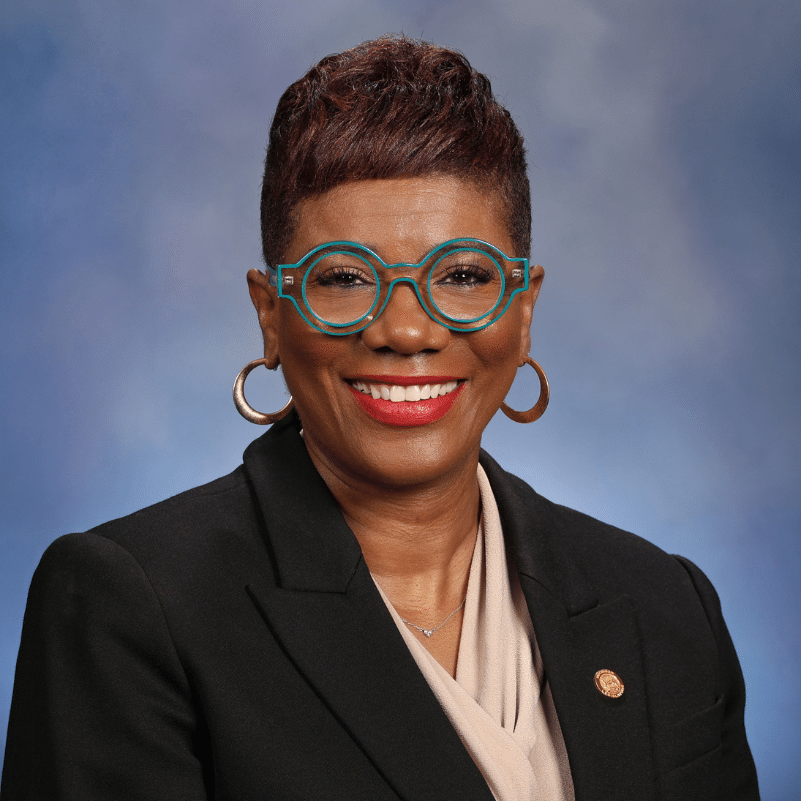
Rep. Cynthia Neeley
Sponsored bills
Maddy summaryHouse Bill 4406 amends the Michigan employment security act, primarily by eliminating specific provisions related to seasonal workers. The bill also modifies how unemployment benefits are calculated for claimants. It incrementally increases the maximum weekly benefit rates for unemployed individuals, with these changes taking effect annually from January 1, 2025, through 2028. Additionally, the bill updates the definitions for eligible dependents, such as changing "husband or wife" to "spouse," which affects the calculation of additional benefits. This legislation directly impacts unemployed individuals seeking benefits in Michigan, as well as seasonal workers previously covered by specific employment security provisions.
Maddy summaryHB 4260 redirects $115 million annually from Michigan's 4% general sales tax revenue into the Public Safety and Violence Prevention Fund starting with the 2025-2026 fiscal year. This change affects state budget allocations, shifting funds previously going to the general fund toward public safety and violence prevention programs. The bill amends Michigan's General Sales Tax Act (MCL 205.75) to establish this specific annual transfer, with the amount adjusted based on actual tax collections. It does not create new taxes but reallocates existing revenue streams.
Maddy summaryHB 4261 creates the Public Safety and Violence Prevention Fund within Michigan's trust fund system. It establishes the fund using money from the general sales tax (Section 25 of 1933 PA 167), donations, and investment earnings, with funds permanently staying in the account instead of lapsing to the general fund. Starting September 30, 2026, the state treasurer will distribute the fund’s revenues: 2% to health services for community violence intervention grants, 2% to crime victim funds, and the remainder based on each city/village/township’s violent crime rate (with a 5% reduction for areas not meeting crime reduction targets). This directly affects local governments receiving funds, the Department of Health and Human Services (administering grants), and crime victim programs.
Maddy summaryHouse Resolution 71 declares April 28, 2025, as Workers Memorial Day in the state of Michigan. This resolution honors Michigan workers who have been injured, disabled, or died due to workplace accidents.
Maddy summaryHouse Bill 4357 amends Michigan's election law concerning township officers. The bill modifies the official start date for the terms of office for these elected officials. Specifically, for township officers elected after December 31, 2024, their terms will commence at 12 noon on December 1 following their election, rather than the current November 20 start date. This change affects township officers and the administrative timing of their transition into office.
Maddy summaryHB 4360 modifies the start dates for terms of office for elected officials in Michigan's home rule villages. For village officers elected after December 31, 2024, their terms will begin at 12 noon on December 1 following their election, overriding any conflicting village charter provisions. The bill also specifies that individuals elected to fill a vacancy cannot take the oath of office until the election results have been certified.
Maddy summaryHouse Bill 4370 proposes a new individual income tax credit for Michigan taxpayers, directly affecting eligible students and their families. Beginning in tax year 2026, taxpayers could claim a credit equal to the sales or use tax paid on textbooks purchased for themselves or their dependents. To qualify, the student must be enrolled in an eligible Michigan institution and meet specific financial aid criteria, such as being a Federal Pell Grant recipient or a professional/graduate student who would have been Pell-eligible based on financial need. Any portion of the credit that exceeds a taxpayer's liability would be refunded.
Maddy summaryHouse Bill 4371, known as the "Safe Youth Sports Act," aims to establish safety standards for youth sports programs in Michigan, directly affecting youth athletes, coaches, and organizations that run these programs. It tasks the Institute for the Study of Youth Sports at Michigan State University, under the oversight of the Department of Health and Human Services, to approve and promote these safety standards and associated training programs. The bill outlines "basic standards" that mandate annual criminal background checks for adults with significant contact with youth, and requires coaches to complete training in CPR, AED, and concussion protocols. Additionally, it details "advanced standards" that include designating a safety manager and further training for coaches on topics like inclusivity, and establishes grant programs to help organizations, especially those serving low-income families, meet these safety requirements.
Maddy summaryHouse Bill 4331 establishes an "Ebony alert" system in Michigan to aid in locating missing women between the ages of 18 and 65, referred to as "qualifying individuals." This system is activated when a qualifying individual is reported missing under suspicious circumstances and is believed to be at risk, developmentally disabled, cognitively impaired, or abducted. The Department of State Police will create and maintain a plan to rapidly disseminate information to radio and television stations statewide. The bill also creates an Ebony Alert Fund to support the system's operation and prohibits intentionally making false reports, imposing penalties for violations.