

Maddy summaryMichigan House Bill 6321 enhances the regulatory standards for adult foster care facilities by requiring the state department to publish online information regarding facility ownership, staff-to-resident ratios, and a five-year history of violations. The bill mandates that facilities post clear complaint procedures and provide new residents with written notices detailing their rights, medication policies, and the distinction between foster care and nursing home services. Additionally, it establishes specific resident rights, including the ability to review health records and past satisfaction surveys, while requiring facilities to maintain a documented internal complaint process that responds to grievances within seven business days.
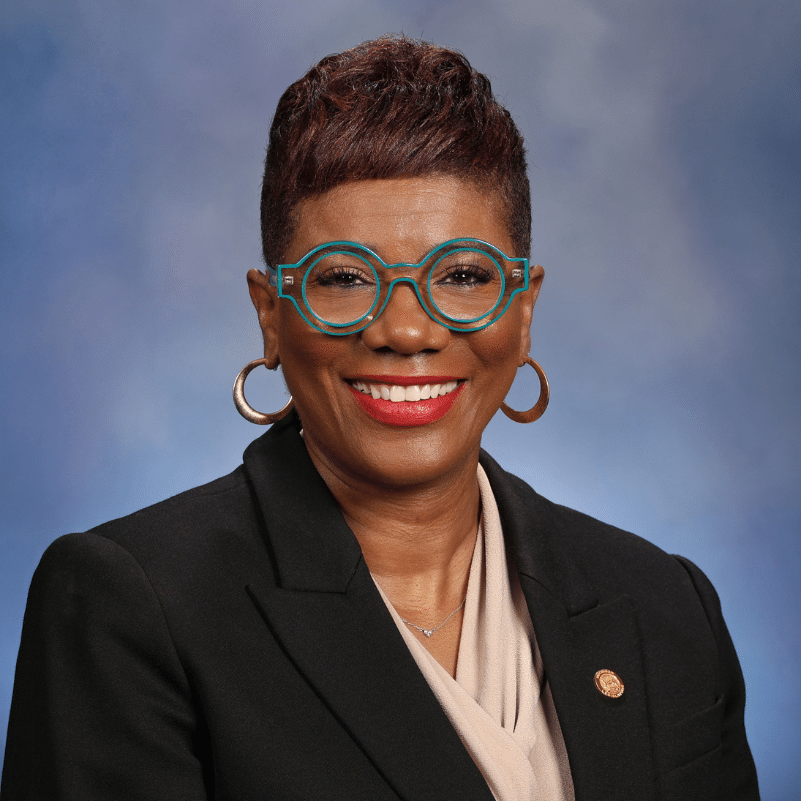
Rep. Cynthia Neeley
Sponsored bills
Maddy summaryMichigan House Bill 6322 establishes mandatory training standards for unlicensed direct care staff working in adult foster care facilities. The bill requires new hires to complete specific courses within 120 days of being hired, covering topics such as empathy for the aging process, resident rights, dementia care, and identifying abuse. It also mandates annual continuing education and specialized medication administration training for staff who assist residents with taking their medicines. Facilities must maintain detailed records of all training completion and ensure that no staff member has unsupervised contact with a resident until the required initial courses are finished.
Maddy summaryThis bill amends Michigan's Adult Foster Care Facility Licensing Act to strengthen oversight and safety standards for facilities caring for adults. It requires the state department to process licensing applications within six months, with financial penalties for delays, and mandates that applicants undergo criminal history checks through the state police and FBI. The legislation also prohibits concurrent licensing of adult foster care homes as child care homes and bars individuals with specific criminal convictions from holding licenses or having access to residents. New provisions require facilities to conduct annual anonymous resident satisfaction surveys covering areas such as staff empathy, food quality, and safety. Additionally, if unlicensed staff administer medication, the facility must hire a licensed pharmacist or registered nurse to perform semiannual reviews of drug regimens and monitor compliance. These changes take effect only if two companion bills are also enacted into law.
Maddy summaryMichigan House Bill 6318 amends the state election law to explicitly prohibit denying or abridging any citizen's right to vote based on their sex. The bill adds a new section, 492c, to the Michigan Election Code to establish this specific protection. This provision directly affects all voters in the state by ensuring that gender cannot be used as a basis for restricting voting access.
Maddy summaryThis bill designates euchre as the official game of the state of Michigan. It creates a new act to formally establish this title in state law. The legislation does not impose any regulations or restrictions on how the game is played, but rather serves as a symbolic designation for the state.
Maddy summaryThis Michigan bill amends the state's vehicle code to clarify that traffic violations designated as civil infractions cannot be treated as lesser included offenses of criminal charges. It establishes specific fine ranges for various driving and vehicle equipment violations, including a new provision that requires courts to waive fines and costs if a driver cited for an illegible registration plate provides proof of having obtained and installed a compliant plate before their court date. The legislation also mandates a $40 justice system assessment for most civil infractions and allows judges to order additional educational or rehabilitation programs alongside monetary penalties.
Maddy summaryHouse Resolution 342 urges the U.S. House of Representatives to reject Amendment 041 to the BUILD America 250 Act, a provision that would shield rideshare and delivery companies from vicarious liability for injuries or damages caused by their drivers. The resolution argues that this amendment would prevent victims from holding platforms accountable under state law unless the company is found to be grossly negligent or criminally wrongdoers, citing concerns about sexual assault cases on these apps. By blocking this federal preemption, the bill aims to preserve states' authority to regulate liability and ensure companies can be held responsible for harms arising from their operations.
Maddy summaryThis bill requires K-5 teachers and literacy support staff in Michigan to complete specific professional training focused on reading and literacy instruction by the 2029-2030 school year. The legislation designates a single state-approved provider to deliver the training, which must cover evidence-based reading methods, assessment strategies, and a multitiered system of supports for addressing learning difficulties. School districts must report annual compliance data to the state department, which will publish public reports on implementation progress and recommend funding adjustments as needed. The training includes mandatory components on phonics, vocabulary, comprehension, and data-driven decision-making, with phased implementation beginning in the 2026-2027 school year.
Maddy summaryHB 4072 requires hospitals and freestanding surgical outpatient facilities to offer patients any unused eye drops or eye ointments after ophthalmic surgical procedures or medical care. This applies when the facility-provided medication was administered to the patient and is required for their ongoing treatment upon discharge. The bill details labeling requirements if a pharmacist dispenses the drug, and assigns the responsibility for patient counseling on its use to the prescribing doctor. This allows patients to take home remaining eye medications for continued care.
Maddy summaryHB 4103 adds a new section to Michigan's health occupations law to implement an occupational therapy licensure compact. This bill allows occupational therapists licensed in Michigan to practice in other participating states without obtaining separate licenses, and vice versa for therapists from other compact states. It directly affects occupational therapists seeking to work across state lines, reducing barriers to practice. The compact mechanism establishes standardized licensing requirements among participating states, streamlining the process for therapists to provide services in multiple jurisdictions.