

Maddy summaryHB 5586 creates a new "Office of Community Violence Intervention and Prevention Services" within Michigan's Department of Health and Human Services. The office will administer grants to community-based nonprofits, track violence trends, set statewide goals to reduce shootings and homicides, and coordinate all state violence prevention efforts. It directly affects local governments, community organizations receiving grants, and state agencies managing the program. The bill establishes concrete requirements for data collection, technical assistance, and annual reporting to measure progress toward reducing community violence.
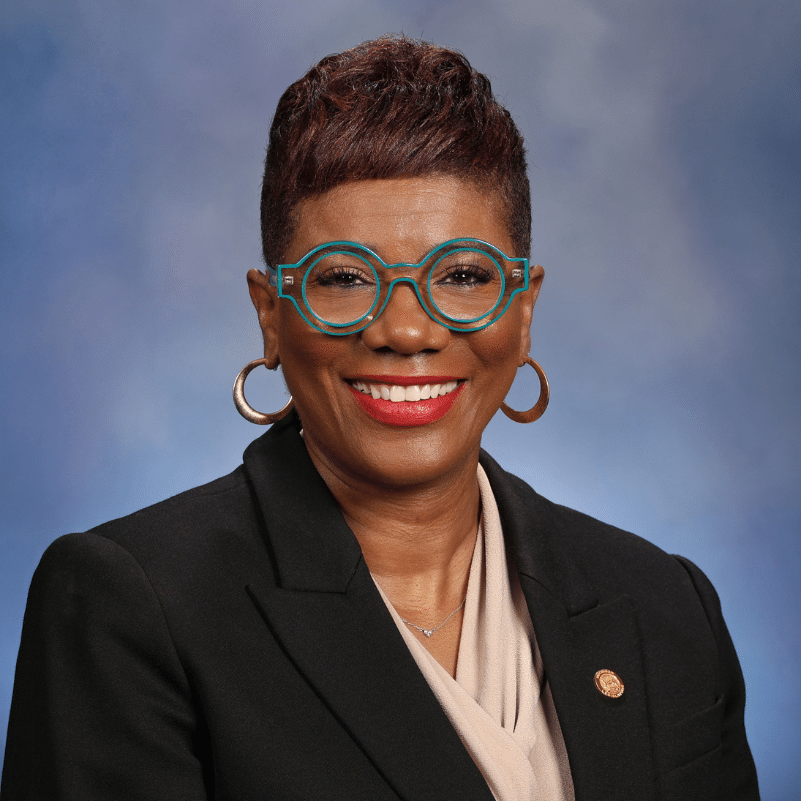
Rep. Cynthia Neeley
Sponsored bills
Maddy summaryHB 5579, the "Responsible Artificial Intelligence Security for Employees Act," prohibits most employers from using automated decisions tools (like AI for hiring) or electronic monitoring tools (like tracking software) for employment decisions affecting employees or job applicants. Employers may only use these tools for specific, limited purposes, such as screening large applicant volumes for job skills or monitoring essential work functions, safety, or compliance. The bill requires employers to obtain written consent from workers, provide clear notice of monitoring, ensure data accuracy, and use tools in the least invasive way possible. It directly affects all Michigan employers and their employees/applicants, creating new rules for technology use in the workplace.
Maddy summaryHB 5587 creates a state grant program to fund community-based violence prevention initiatives in areas with high homicide rates. It establishes a "community violence intervention and prevention fund" to award grants to eligible local governments (e.g., cities or counties with 35+ homicides in 2 of 3 years) or community nonprofits with proven experience addressing violence. Grants must support evidence-based strategies focused on trauma care, economic opportunities, and reducing violence without increasing incarceration, with at least 75% of funds directed to community organizations - not law enforcement. The program requires grantees to report on outcomes and coordinate with other violence prevention efforts, and mandates annual reports on best practices from the administering office.
Maddy summaryHB 5543 increases the annual funding for grade crossing surface improvements from $3 million to $6 million per year by amending Section 10(1)(b) of Michigan's Transportation Fund Act (MCL 247.660). This change directs more state transportation funds toward safety and surface repairs at railroad crossings - locations where roads intersect train tracks - across Michigan. The bill specifically adjusts the allocation within the state trunk line fund, ensuring doubled resources for maintaining these critical infrastructure points. It does not alter other funding mechanisms but directly affects how money is distributed for grade crossing safety upgrades.
Maddy summaryHB 5527 amends Michigan's penal code to increase penalties for assaulting public officials while they are performing their duties, such as police officers, firefighters, and emergency medical personnel. Penalties range from up to 2 years in prison for basic assault to up to 20 years for causing death, based on the severity of harm (e.g., bodily injury requiring medical care or serious impairment of body function). The bill also adds a provision clarifying that attending a protest is protected under the First Amendment and does not by itself violate disorderly conduct laws.
Maddy summaryHB 5528 amends Michigan's 1968 riot law (MCL 752.541 and 752.542) to clarify the definitions of riot and incitement to riot. It specifies that a riot occurs when five or more people acting together cause public terror through violent conduct, and incitement to riot involves urging others to commit unlawful violence, property destruction, or interfere with law enforcement officers. The bill explicitly states that peaceful protests - protected under the First Amendment and Michigan's constitution - are not violations of these provisions. This affects individuals participating in public gatherings or protests by defining clear legal boundaries between protected activity and unlawful conduct.
Maddy summaryThis resolution symbolically declares February 2026 as American Heart Month and February 6, 2026, as National Wear Red Day within Michigan. It aims to raise public awareness about heart disease - particularly its disproportionate impact on women, including Black and Hispanic women - and encourages actions like learning heart health risk factors. The resolution does not create new laws or obligations; it is a non-binding declaration to support existing awareness efforts like the American Heart Association's "Go Red for Women" campaign. It directly affects Michigan residents through state recognition of these national observances.
Maddy summaryHB 5489 would allow 17-year-olds to apply for medical first responder and emergency medical technician (EMT) licenses in Michigan, provided their application includes parental or guardian consent. It maintains an 18-year-old minimum for higher-level roles like paramedics, emergency medical services instructors, or EMT specialists. The bill amends Michigan's Public Health Code to establish these age requirements for EMS licensure, directly affecting young individuals seeking entry into emergency medical careers. This change requires the concurrent passage of HB 5488 to take effect.
Maddy summaryHB 5488 lowers the minimum age requirement for licensure as a medical first responder or emergency medical technician (EMT) in Michigan from 18 to 17 years old. It amends Section 20950 of the Public Health Code (MCL 333.20950), specifically changing the age requirement in subsection (2)(a) from "18 years of age or older" to allow 17-year-olds to apply. The bill does not alter other licensing requirements, such as education programs, passing exams administered by the National Registry of Emergency Medical Technicians, or military service pathways. This change directly affects 17-year-olds seeking these emergency medical services roles who previously could not obtain licensure until age 18.