

Maddy summaryThis bill proposes the creation of a select committee to investigate the Interlochen Center for the Arts and its connection to Jeffrey Epstein. The committee would be tasked with examining the relationship between the arts center and the individual, potentially leading to further inquiries or recommendations. The measure is currently under consideration by the Michigan House of Representatives and has been referred to the Committee on Government Operations.
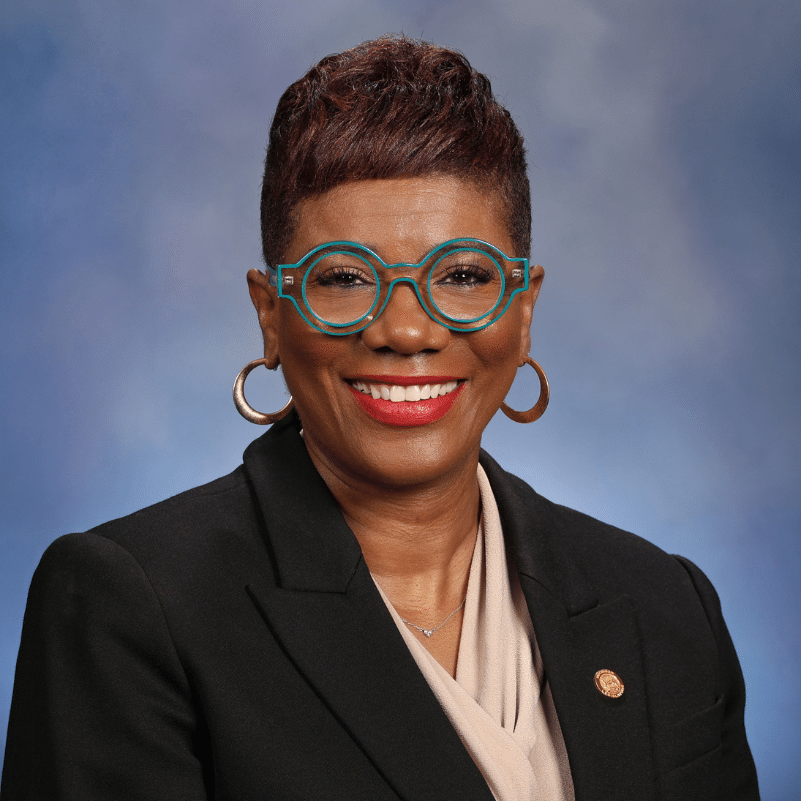
Rep. Cynthia Neeley
Sponsored bills
Maddy summaryHB 5251 requires Michigan's medical assistance program (Medicaid for low-income residents) to cover prescribed pediatric extended care for children. This specifically affects low-income children in Michigan who need specialized, long-term medical care beyond standard hospital stays. The bill amends state law to mandate this coverage under existing rules for pediatric extended care (Part 219A of the Public Health Code). The coverage would apply to children receiving medically necessary care as prescribed by a doctor. The bill is contingent on the passage of companion legislation (HB 5252).
Maddy summaryHB 5252 amends Michigan's Public Health Code to create a new licensing category for "prescribed pediatric extended care facilities," which provide specialized long-term medical care for children with complex health needs. The bill establishes specific licensing requirements for these facilities, including standards for staffing, medical oversight, and facility operations, directly affecting providers seeking to operate such services. Key provisions include adding Part 219A to the code and revising existing sections (20106, 20109, 20115, 20161) to incorporate these new requirements. This change aims to ensure consistent safety and quality standards for pediatric extended care facilities across the state. The bill is currently pending in the House Health Policy Committee.
Maddy summaryHB 4078 amends Michigan's Medical Examiner Act to update when county medical examiners must investigate deaths and who must report suspicious or unexpected deaths. It requires investigations for deaths by violence, unexpected deaths, deaths without medical care (with specific hospice care exceptions), and abortion-related deaths. The bill also clarifies that hospitals, physicians, or others must immediately report such deaths to medical examiners, including cases involving multiple similar individuals in one incident. Medical records obtained during these investigations are exempt from public disclosure under Michigan's Freedom of Information Act.
Maddy summaryHB 4077 updates Michigan's process for certifying death records. It requires medical certification to be completed within 48 hours after death by physicians, medical examiners, or designated officials, and mandates that this certification be submitted via a new state web-based system starting one year after the law takes effect. The bill also specifies that infant deaths following an attempted abortion (as defined by the "born alive infant protection act") must be recorded as "Baby Doe" with no identifying information about the infant or parents. This directly affects funeral directors, physicians, medical examiners, and county clerks handling death records.
Maddy summaryThis bill designates March 12, 2026, as Endometriosis Awareness Day in Michigan to raise public understanding of the condition. It does not change laws or allocate funding but serves as a symbolic gesture to highlight the health challenges faced by individuals with endometriosis. The resolution encourages education and support for those affected by the disease without implementing new policies or regulations.
Maddy summaryThis bill requires nursing homes in Michigan to ensure all unlicensed staff members complete a fall prevention training program. The Michigan Department of Health and Human Services will develop and manage this training program in consultation with relevant health agencies. The law applies specifically to unlicensed personnel working in nursing home facilities, mandating they finish the required training. This change aims to standardize fall prevention education for non-licensed staff across the state's nursing homes.
Maddy summaryThis bill requires employers in Michigan to pay employees their regular hourly wage for time spent participating in mandatory fall prevention training programs. The law applies to any employer who must ensure their staff complete the fall prevention training established under state public health regulations. By compensating workers for this required training time, the bill aims to remove financial barriers that might prevent employees from completing safety education. The legislation creates a new legal requirement for wage payment specifically tied to fall prevention training participation.
Maddy summaryThis House resolution calls on Congress to investigate individuals linked to Jeffrey Epstein and require them to testify under oath. It directly affects high-profile figures across technology, finance, real estate, and government who have been implicated in Epstein's criminal network. The resolution asserts that current Department of Justice actions have failed to protect survivors or fully disclose information, citing concerns over redacted names and unredacted photos of victims. It seeks to use congressional authority to compel testimony from those who participated in or covered up Epstein's crimes. The measure was introduced in March 2026 and referred to the Committee on Government Operations.
Maddy summaryHB 5531 requires local governments in Michigan to make a decision on site plan approvals within 60 days. It limits when officials can request additional studies or documents after initial approval, allowing such requests only for material changes, safety concerns, or to ensure compliance with existing standards - preventing new requirements unrelated to the project. This affects developers seeking land use approvals and local officials reviewing applications. The bill clarifies that extra studies cannot be used to delay projects or revisit issues already approved.