

Maddy summaryHB 5477 allows parolees in Michigan to use an identification card issued by the Department of Corrections as valid proof of identity when applying for a driver's license or state ID card. The bill amends Michigan's vehicle code to require the Secretary of State to accept these correctional facility ID cards, which include the parolee's legal name, photograph, and identifying information. This change directly affects individuals recently released from prison who need to establish legal identification for driving and other purposes. The key mechanism is adding this specific ID card as an accepted document under existing identity verification rules for license applicants. This eliminates a barrier to obtaining essential identification for parolees reentering communities.
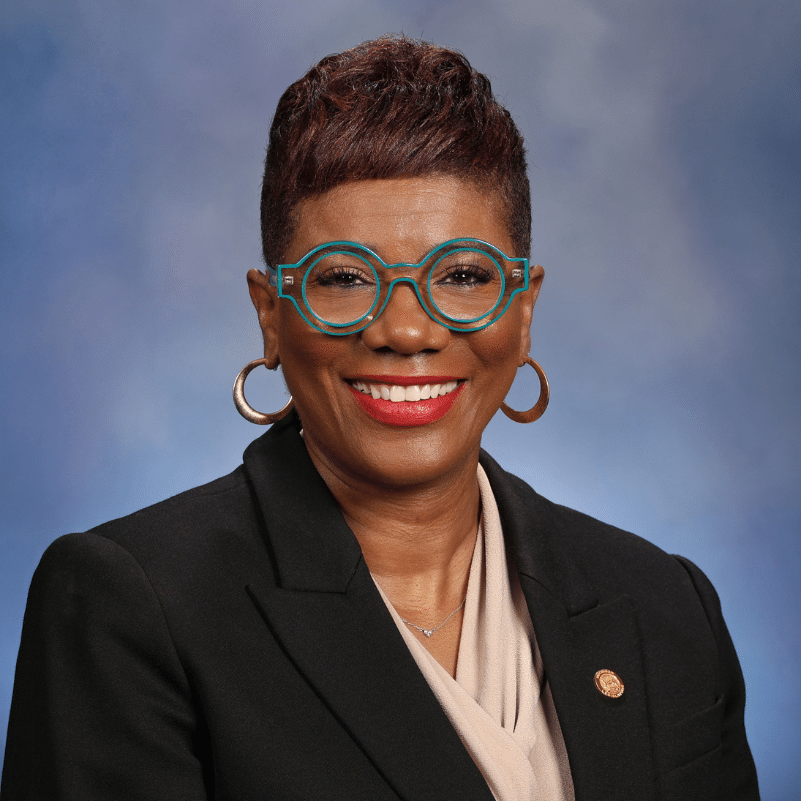
Rep. Cynthia Neeley
Sponsored bills
Maddy summaryHB 5475 requires Michigan's Secretary of State to issue official state identification cards to individuals who are about to be released on parole or discharged from prison. Beginning January 1, 2026, the Secretary must issue these cards to eligible parolees using information provided by the Department of Corrections about their release date. The bill mandates that cards be delivered to the correctional facility before the parolee's release date or mailed to the facility if the person is already released. This directly affects parolees in Michigan who need state ID cards for accessing services, housing, or employment upon reentry.
Maddy summaryHB 5474 requires Michigan's Department of Corrections to proactively help prisoners obtain driver's licenses and state ID cards before release. Specifically, the department must collect required documents and photos 60 days prior to release, send them to the Secretary of State, and assist with social security verification. It creates a "reentry success fund" to cover these administrative costs, ensuring prisoners have essential identification for reintegration. This directly affects parolees and prisoners nearing release who need these IDs to access employment, housing, and other services.
Maddy summaryHB 5476 amends Michigan's Enhanced Driver License and ID Card Act to update applicant requirements and privacy protections. It requires applicants to provide updated documentation for name changes, citizenship, and Social Security numbers, while prohibiting enhanced IDs from displaying Social Security numbers. The bill clarifies that facial images and signatures may only be shared with law enforcement or federal agencies under specific legal authorities, not for general public access. It also maintains provisions allowing applicants to voluntarily add a communication access designation for law enforcement use, with strict privacy safeguards for retained documents.
Maddy summaryHB 5454 prohibits the use of perchloroethylene (PCE) in dry cleaning solvents in Michigan, directly affecting dry cleaning businesses, manufacturers, and sellers. The bill bans manufacturing PCE solvents after December 1, 2031; selling them after June 1, 2032; and using them after December 1, 2032. It creates a state fund to provide grants and resources for dry cleaners transitioning to safer alternatives, including cost-share programs and a buy-back program for existing PCE products. The Department of Environment, Great Lakes, and Energy will administer the fund and cost-share program. Violations could result in civil fines up to $10,000.
Maddy summaryHB 4692 creates a new license for "secondary school facilities" that provide cosmetology training in separate classroom settings, directly affecting cosmetology schools and their associated training locations. These facilities must not offer public services or contain equipment like hair-drying chairs, must be staffed by licensed instructors with 3+ years' experience, and require detailed floor plans and department inspections. License holders must display their license and instructor credentials visibly, and the license becomes void if ownership changes or the location shifts, requiring a new application. The bill also mandates the department to create implementing rules within 18 months of enactment.
Maddy summaryHB 5207 updates licensing requirements for barber and cosmetology instructors in Michigan. It increases the required instructor training hours from 500 to 600 for cosmetology instructors (effective July 1, 2024) and from 600 to 900 hours for barber instructors. The bill also clarifies that prior experience cannot waive requirements like high school diplomas or exams. These changes directly affect individuals seeking to become licensed instructors in these fields.
Maddy summaryHB 4355 amends Michigan's Code of Criminal Procedure to clarify when peace officers (including those from water/sewage authorities) can pursue individuals who violated laws within their jurisdiction into neighboring areas. It specifically expands authority for officers of "qualified authorities" (like water districts under 1955 PA 233) to stop and detain people who violated state laws, rules, or ordinances within their service boundaries and then flee outside those boundaries. The bill does not create new policies but adjusts jurisdictional rules for enforcement, affecting officers from cities, counties, public airports, and water/sewage service providers. It remains neutral, focusing only on the procedural change to officer authority.
Maddy summaryThis bill's title incorrectly references water supply, but the actual text amends Michigan's law restricting disclosure of law enforcement statements (2006 PA 563). It defines "involuntary statement" as information compelled by a law enforcement agency through threats of job loss or sanctions. The bill would protect such compelled statements from disclosure, applying to officers employed by state police, county agencies, cities, universities, and other specified entities. This directly affects law enforcement officers and agencies by limiting how their compelled statements can be used in legal proceedings.
Maddy summaryHB 4354 amends Michigan's Law Enforcement Standards Act by updating the definition of "adjudication of guilt" to include specific scenarios like probation under certain statutes or assignment as a youthful trainee. This change directly affects law enforcement agencies, standards commissions, and officers when determining eligibility for employment or certification under state law. The bill modifies Section 2 of the act (MCL 28.602) to clarify that convictions, pleas, or related court orders - such as those involving probation or youth diversion programs - count as "adjudication of guilt." It does not create new policies but ensures consistent application of existing standards. The amendment focuses on precise legal definitions, not water supply systems as inaccurately noted in the title.