

Maddy summaryThis House Resolution (HR 51) is a symbolic request urging the U.S. Department of Homeland Security to release $56 million in FEMA disaster relief funds already allocated to Michigan. It directly affects Michigan's emergency management agencies, local governments, and nonprofits that rely on these funds for disaster response, recovery, and public safety programs. The resolution states delays in releasing these funds strain state resources and risk disrupting critical emergency services following natural disasters. As a non-binding resolution, it does not change funding policy but formally requests federal action.
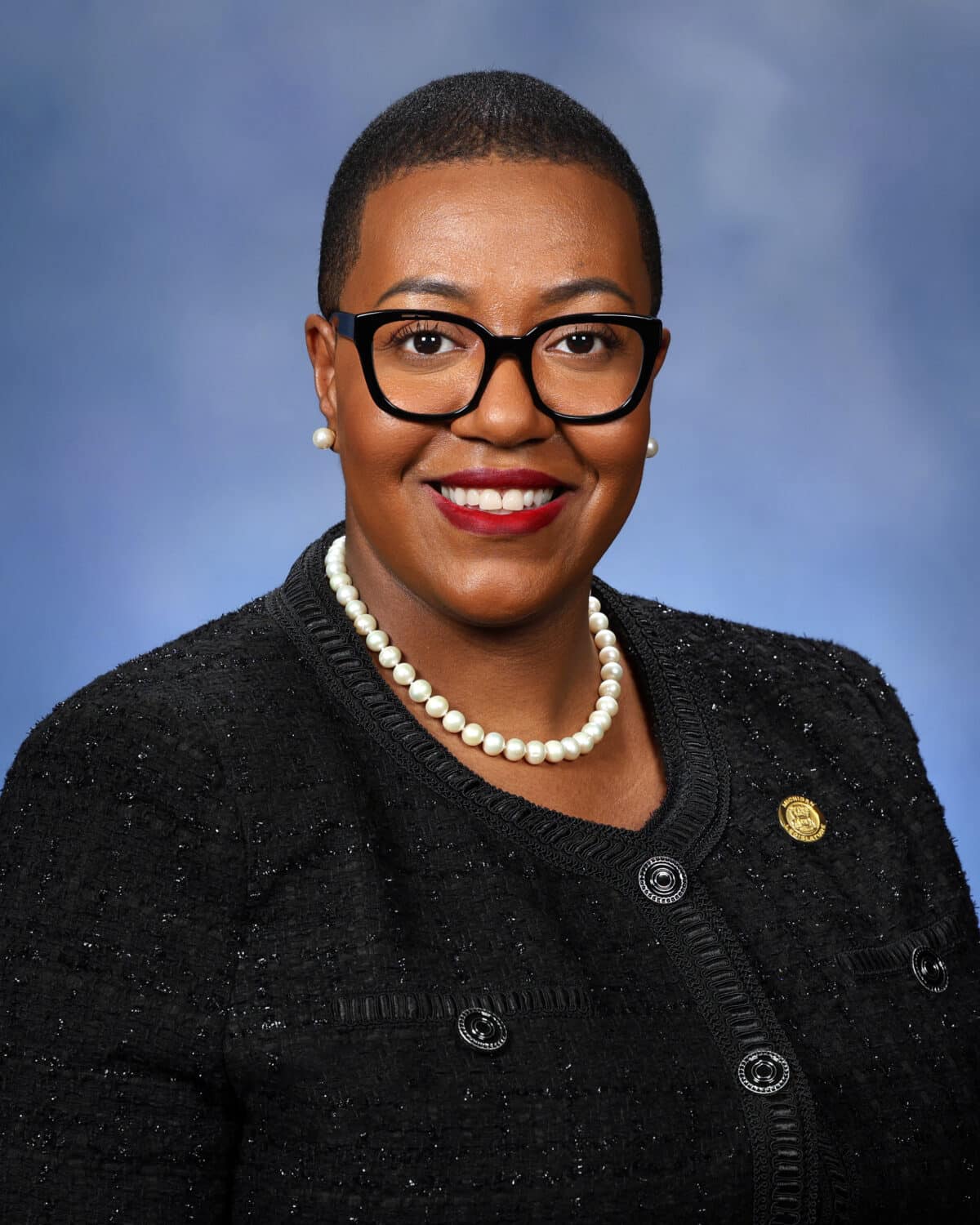
Rep. Morgan Foreman
Sponsored bills
Maddy summaryThis resolution designates March 21, 2025, as "Abolitionist Day" in Michigan to honor the state's history in the anti-slavery movement. It specifically recognizes Laura Smith Haviland, an Adrian, Michigan abolitionist who aided freedom seekers via the Underground Railroad and was inducted into the National Abolition Hall of Fame. The resolution has no policy or funding impact - it is purely commemorative. It directly affects Michigan residents by establishing an official state observance day. The resolution was introduced and adopted by the Michigan House on March 20, 2025.
Maddy summaryHB 4243 amends Michigan's Publicly Funded Health Insurance Contribution Act to include regional airport authorities as covered public employers under the law. This means employees of regional airport authorities (such as those managing airports across the state) will now be subject to the same health insurance contribution rules as other public employees, like state workers or school district staff. The bill clarifies that these authorities must contribute to health insurance costs for their employees, following the same framework as other public employers defined in the existing law. It does not create new benefits but ensures airport authorities comply with the same health insurance contribution requirements as other public entities.
Maddy summaryHB 4264, the "Job Applicant Credit Privacy Act," bans most employers in Michigan from using an applicant's credit history to make hiring decisions or asking about it during the recruitment process. It directly affects all job seekers and employers, except for specific roles in banking (state/nationally chartered banks, savings institutions, credit unions), licensed financial services, or casinos. The bill also prohibits employers from retaliating against applicants who oppose violations or participate in investigations, and bans any requirement for applicants to waive their rights under this law. Violators face civil lawsuits allowing for damages, injunctions, or attorney fees.
Maddy summaryThis resolution directs the Clerk of the House to present nine specific bills - passed by both legislative chambers in December 2024 and "enrolled" (formally prepared for the Governor) - to the Governor. It follows a court ruling (February 2025) that confirmed Michigan’s Constitution requires all passed bills to be presented to the Governor within 14 days, rejecting the House’s prior refusal to act. The resolution overrides a previous House attempt (Resolution 41) to delay this process and mandates immediate compliance with the court’s order. It affects the House Clerk, Governor, and the nine bills’ legislative timeline, ensuring they can proceed toward becoming law.
Maddy summaryHB 4231 redirects $75 million annually from Michigan's 4% general sales tax (starting fiscal year 2025) into the Public Safety and Violence Prevention Fund. It also specifies that aviation fuel tax revenue must be split 35% to the state aeronautics fund and 65% to qualified airport funds. Additionally, computer software sales tax revenue must fund Michigan's health initiatives at $9-12 million yearly. These changes directly affect state budget allocations, airport operators, and public safety programs without altering tax rates or creating new taxes.
Maddy summaryHB 4232 creates the Public Safety and Violence Prevention Fund within Michigan’s trust fund system, directly affecting cities, villages, and townships that receive funding. The fund is financed by general sales tax deposits, donations, and investment earnings, with money remaining in the fund year-to-year instead of lapsing. Key provisions require 6.5% of fund revenues to be distributed to cities/towns for community violence prevention grants (administered by DHHS), while 2% goes to the Crime Victim’s Rights Fund; remaining funds are distributed proportionally but reduced if jurisdictions fail to meet violent crime rate reduction targets (1% by 2028-2030, 2% after). The bill strictly prohibits using funds for tactical police vehicles (>15,000 lbs), facial recognition technology, or replacing existing public safety resources.
Maddy summaryThis is a symbolic House resolution (not a law) introduced in Michigan. It formally supports the U.S. Supreme Court's *Obergefell v. Hodges* ruling, which established same-sex marriage as a constitutional right. The resolution reaffirms that marriage should be defined by constitutional principles like equality and due process, not by historical or religious definitions. It specifically references Michigan's state constitution (Article I, Section 25) as conflicting with the *Obergefell* decision. The resolution has no legal effect and does not change any existing laws or policies.
Maddy summaryHB 4175 modifies Michigan's high school diploma requirements by adding specific course credits students must complete. It requires all students graduating after 2023 to complete a half-credit personal finance course (fulfilling part of math, arts, or language requirements), while maintaining existing requirements for 4 math credits (including algebra I, geometry, and algebra II), 3 social science credits (including U.S. history and geography), 1 health/PE credit, and 1 arts credit. The bill also mandates two credits in a language other than English (including American Sign Language) for all students by graduation, with schools encouraged to offer language courses in early grades. These changes directly affect Michigan high school students and school districts responsible for implementing diploma standards.
Maddy summaryHB 4173 is a supplemental funding bill that allocates state money specifically for testing commercial poultry facilities and backyard flocks in Michigan for H5N1 bird flu. It directly affects poultry farmers, commercial hatcheries, and state agricultural testing labs by providing resources to conduct these tests. The key mechanism is creating a new appropriation (funding line) within the state budget for this purpose, separate from regular funding. This bill focuses solely on enabling testing capacity, not on disease prevention or other policy changes.