

Maddy summaryMichigan House Bill 6293 establishes the MiNURSES program within the state health department to increase the recruitment, placement, and retention of primary care nurses in rural and urban underserved areas. The bill provides financial assistance for nursing education loans or scholarships to nurses who agree to a two-year service obligation working full-time in designated underserved locations. Payments are made as lump sums at the end of each year of service, funded by a new state treasury account that can receive money from various sources. An advisory commission is created to make recommendations on program operations, and the department must publish an annual report detailing the program's cost-effectiveness, successes, and challenges.
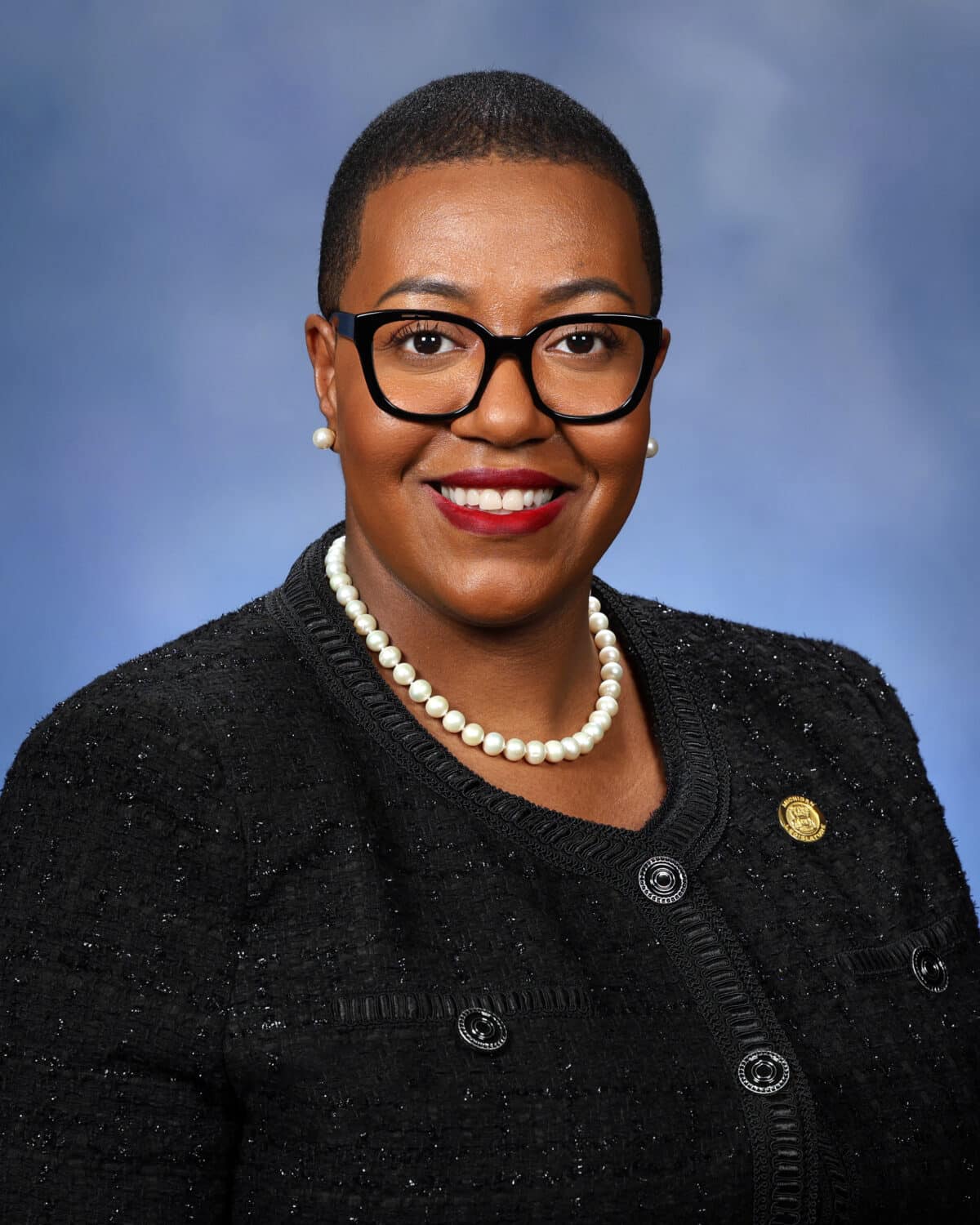
Rep. Morgan Foreman
Sponsored bills
Maddy summaryMichigan House Bill 6321 enhances the regulatory standards for adult foster care facilities by requiring the state department to publish online information regarding facility ownership, staff-to-resident ratios, and a five-year history of violations. The bill mandates that facilities post clear complaint procedures and provide new residents with written notices detailing their rights, medication policies, and the distinction between foster care and nursing home services. Additionally, it establishes specific resident rights, including the ability to review health records and past satisfaction surveys, while requiring facilities to maintain a documented internal complaint process that responds to grievances within seven business days.
Maddy summaryMichigan House Bill 6322 establishes mandatory training standards for unlicensed direct care staff working in adult foster care facilities. The bill requires new hires to complete specific courses within 120 days of being hired, covering topics such as empathy for the aging process, resident rights, dementia care, and identifying abuse. It also mandates annual continuing education and specialized medication administration training for staff who assist residents with taking their medicines. Facilities must maintain detailed records of all training completion and ensure that no staff member has unsupervised contact with a resident until the required initial courses are finished.
Maddy summaryThis bill amends Michigan's Adult Foster Care Facility Licensing Act to strengthen oversight and safety standards for facilities caring for adults. It requires the state department to process licensing applications within six months, with financial penalties for delays, and mandates that applicants undergo criminal history checks through the state police and FBI. The legislation also prohibits concurrent licensing of adult foster care homes as child care homes and bars individuals with specific criminal convictions from holding licenses or having access to residents. New provisions require facilities to conduct annual anonymous resident satisfaction surveys covering areas such as staff empathy, food quality, and safety. Additionally, if unlicensed staff administer medication, the facility must hire a licensed pharmacist or registered nurse to perform semiannual reviews of drug regimens and monitor compliance. These changes take effect only if two companion bills are also enacted into law.
Maddy summaryMichigan House Bill 6318 amends the state election law to explicitly prohibit denying or abridging any citizen's right to vote based on their sex. The bill adds a new section, 492c, to the Michigan Election Code to establish this specific protection. This provision directly affects all voters in the state by ensuring that gender cannot be used as a basis for restricting voting access.
Maddy summaryThis bill designates euchre as the official game of the state of Michigan. It creates a new act to formally establish this title in state law. The legislation does not impose any regulations or restrictions on how the game is played, but rather serves as a symbolic designation for the state.
Maddy summaryMichigan House Bill 6274 establishes a state basic health program to provide medical coverage for low-income residents who do not qualify for Medicaid or affordable employer-sponsored insurance. The bill targets individuals aged 65 and under with incomes between 133% and 200% of the federal poverty guidelines, as well as lawfully present noncitizens earning below 200% of that threshold. It creates a dedicated trust fund to finance the program and requires the state department to develop a program blueprint for federal certification within six months of forming a stakeholder advisory group. Key provisions include automatic enrollment for individuals transitioning from Medicaid, sliding-scale premiums based on income, and a requirement that no one earning below 133% of the poverty line pay any premiums or cost-sharing.
Maddy summaryThis Michigan bill requires electric providers to offer a voluntary green pricing program that allows customers to choose how much of their electricity comes from renewable sources. It mandates that regulated utilities create a specific "clean technologies accelerator tariff" for commercial and industrial participants, ensuring these businesses directly pay for the renewable energy they procure rather than spreading those costs across all ratepayers. The legislation also protects customers who source at least half of their power through the program from paying certain compliance surcharges and requires providers to notify other participants about additional fees. The bill only takes effect if seven related companion bills are also enacted into law.
Maddy summaryThis Michigan bill amends the state's vehicle code to clarify that traffic violations designated as civil infractions cannot be treated as lesser included offenses of criminal charges. It establishes specific fine ranges for various driving and vehicle equipment violations, including a new provision that requires courts to waive fines and costs if a driver cited for an illegible registration plate provides proof of having obtained and installed a compliant plate before their court date. The legislation also mandates a $40 justice system assessment for most civil infractions and allows judges to order additional educational or rehabilitation programs alongside monetary penalties.
Maddy summaryMichigan's HB 6265 requires owners and operators of data centers to submit annual reports to the state public service commission detailing their total water and electricity consumption, along with the sources of that water and the percentage of electricity derived from renewable energy. These reporting obligations begin on March 1, 2028, and if the commission finds a submitted report inaccurate or incomplete, it must notify the operator to file corrected information within 30 days. The bill authorizes civil fines of up to $10,000 for each day a violation continues, with collected penalties deposited into the state general fund. This legislation only takes effect if several other specific bills from the current legislative session are also enacted into law.