

Maddy summaryHB 4297 requires Michigan employers to disclose wage information for "similarly situated employees" upon an employee's request. Specifically, employers must provide details on salary, bonuses, overtime, and other compensation within 30 days, while redacting individual names but including sex and seniority data for comparable roles. The bill prohibits employers from retaliating against employees who ask for this information or from requiring non-disclosure of wages as a condition of employment. It directly affects all Michigan employers and their employees by increasing wage transparency for jobs with comparable duties, skills, and responsibilities.
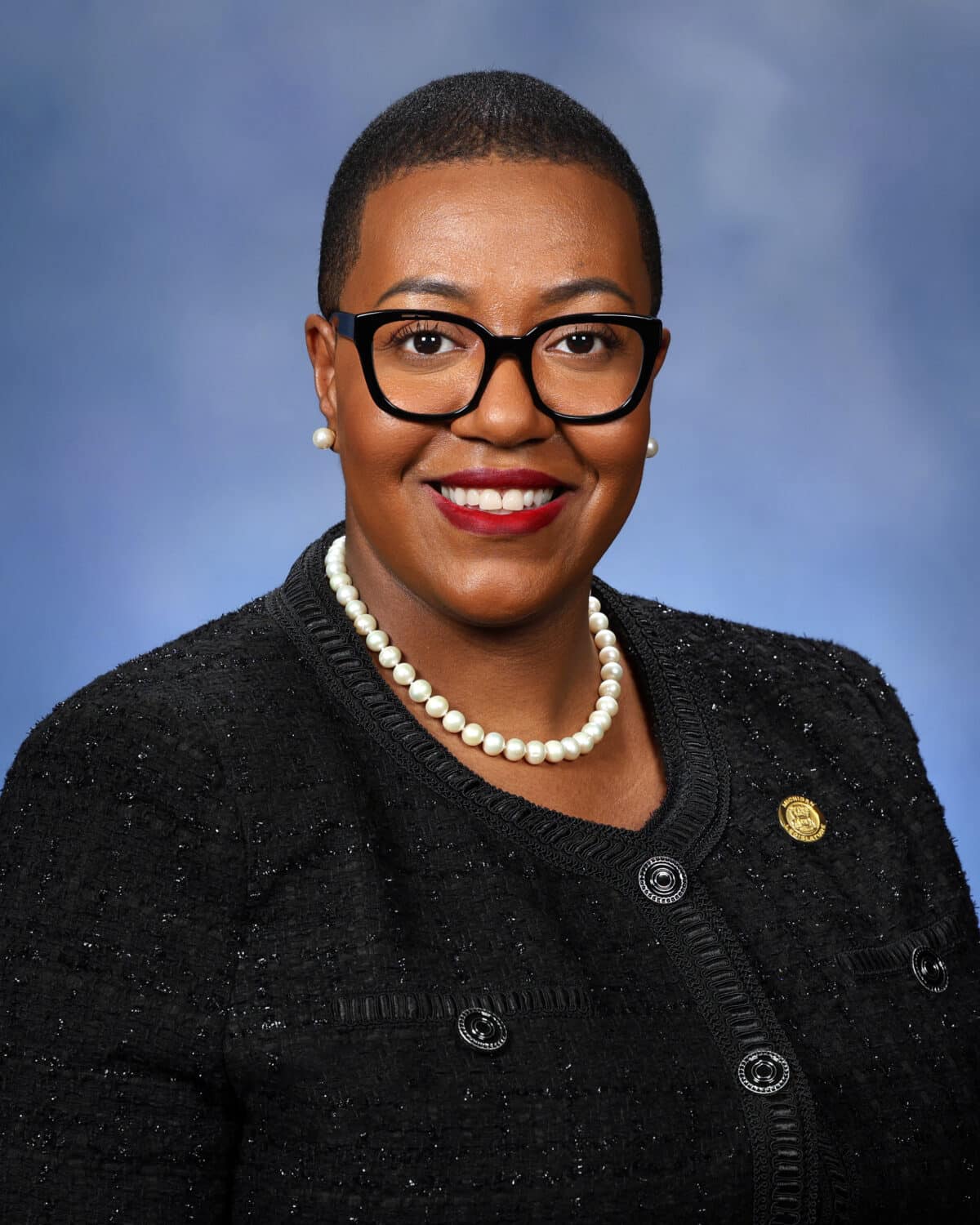
Rep. Morgan Foreman
Sponsored bills
Maddy summaryHB 4295 creates a "Fair Paycheck Workplace Certificate" program for Michigan employers. To obtain the certificate, employers must submit payroll data showing less than a 5% average pay gap between employees with different protected characteristics (like race, gender, or age) and pay the required fee. Employers without a valid certificate cannot claim to have one, facing up to $1,000 civil fines for false claims. The state will maintain a public database of certified employers, and all employee data submitted for certification is exempt from public disclosure.
Maddy summaryHB 4292 amends Michigan's Elliott-Larsen Civil Rights Act to improve reporting of wage discrimination. It requires the Michigan Civil Rights Commission to establish a dedicated phone line and a public website with an anonymous electronic reporting form for workers to report wage discrimination without revealing their identity. These mechanisms must prominently display the phone number and website link, ensuring anonymity for individuals who report violations or assist in investigations. The bill directly affects workers experiencing wage discrimination by providing safer, confidential reporting options.
Maddy summaryHB 4290 prohibits Michigan employers from asking job applicants about their past pay, credit scores, or credit history during the hiring process. It also prevents employers from requiring employees to sign agreements that stop them from discussing their wages or punishing employees for disclosing their pay. The law applies to most employers, with limited exceptions for legal or bonding requirements that legally mandate such information. This aims to reduce pay disparities by stopping employers from basing new salaries on past compensation.
Maddy summaryHB 4291 prohibits Michigan employers from paying employees different wages for equal work based on protected attributes like race, gender identity, religion, or age. It amends the state's wage law to require equal pay for jobs requiring equal skill, effort, and responsibility under similar conditions, while allowing exceptions for seniority, merit, or productivity-based systems. The bill explicitly defines "protected attributes" using the Elliott-Larsen Civil Rights Act and repeals a prior section (2018 PA 337, Sec. 13) that previously allowed certain pay differentials. It directly affects all Michigan employers and employees by mandating pay equity for comparable work. The law would take effect if passed, aligning Michigan's wage standards with broader civil rights protections.
Maddy summaryHB 4280 extends the renewal period for limited licenses that allow social workers to gain supervised experience toward full licensure. Specifically, it changes the existing rule from allowing limited license renewals for "not more than 6 years" to "not more than 10 years." This directly affects social workers pursuing bachelor's or master's level licensure who need to complete post-degree supervised practice. The bill does not alter educational requirements or supervision standards - only the duration they can hold the limited license while gaining experience.
Maddy summaryHB 4281 creates the "used motor vehicle warranty act" to give consumers a 2-day right to return a used car purchased from a dealer for any reason, provided the vehicle costs $50,000 or less. Dealers must offer a contract cancellation agreement at a capped fee (up to $250), allowing buyers to drive the car up to 150 miles during the window and receive a full refund minus a restocking fee (capped at $500). This applies to most used car purchases but excludes motorcycles, off-highway vehicles, sales over $50,000, and private-party transactions. The law requires dealers to include specific terms in the sales agreement and provides consumers a legal remedy for violations.
Maddy summaryThis resolution (HR 54) is a ceremonial declaration by the Michigan House of Representatives to commemorate April 4, 2025, as "North Atlantic Treaty Day" in Michigan. It honors the 76th anniversary of the 1949 signing of the North Atlantic Treaty establishing NATO, highlighting NATO's role in collective security and Michigan's military and defense industry connections. The resolution has no legal effect or policy changes - it solely serves to recognize this historical date and symbolically acknowledge Michigan's ties to NATO through its veterans and defense sector. It does not directly affect any individuals, organizations, or government programs.
Maddy summaryThis resolution (HR 52) symbolically declares March 2025 as National Social Work Month within the state of Michigan. It recognizes the social work profession's contributions to community well-being, crisis response, mental health support, and advocacy - particularly during events like the pandemic. The resolution has no policy or funding mechanisms; it is a formal acknowledgment by the Michigan House of Representatives with no direct impact on laws, regulations, or services. It does not impose new requirements or alter existing programs.
Maddy summaryThis resolution designates March 21, 2025, as Rosie the Riveter Day in Michigan to honor women who worked in factories during World War II, particularly in Michigan's Willow Run and Detroit facilities. It does not create new laws or obligations but encourages residents, schools, businesses, and organizations to observe the day through educational activities and community events. The bill specifically recognizes these women's contributions to wartime production and their role in advancing workplace equality. It is a symbolic gesture with no direct regulatory impact on individuals or entities.