

Maddy summaryHouse Bill 4371, known as the "Safe Youth Sports Act," aims to establish safety standards for youth sports programs in Michigan, directly affecting youth athletes, coaches, and organizations that run these programs. It tasks the Institute for the Study of Youth Sports at Michigan State University, under the oversight of the Department of Health and Human Services, to approve and promote these safety standards and associated training programs. The bill outlines "basic standards" that mandate annual criminal background checks for adults with significant contact with youth, and requires coaches to complete training in CPR, AED, and concussion protocols. Additionally, it details "advanced standards" that include designating a safety manager and further training for coaches on topics like inclusivity, and establishes grant programs to help organizations, especially those serving low-income families, meet these safety requirements.
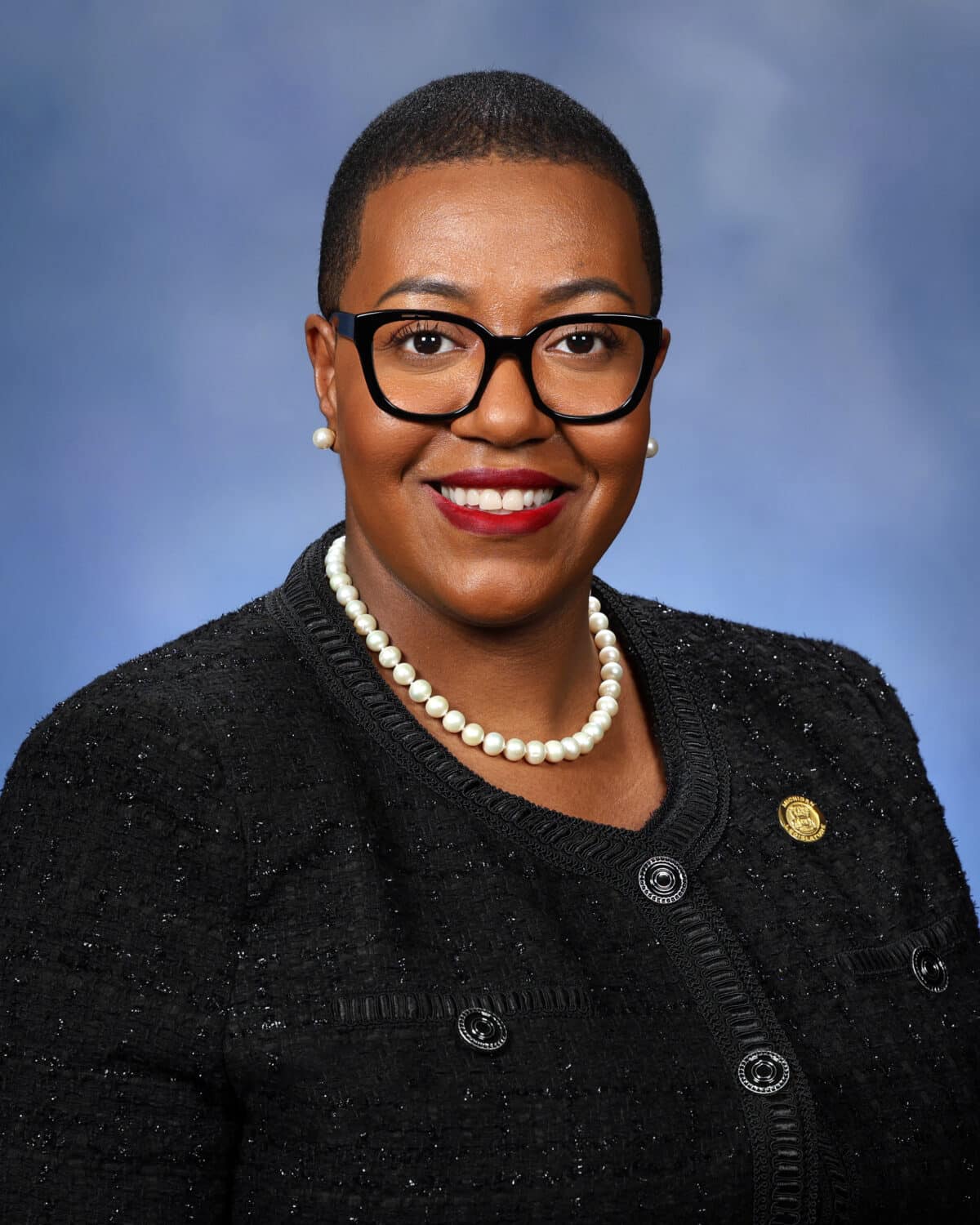
Rep. Morgan Foreman
Sponsored bills
Maddy summaryHouse Bill 4329, titled the "medical debt act," aims to regulate how medical debt information is handled for Michigan residents. The bill prohibits consumer reporting agencies from including adverse medical debt information in consumer reports, with an exception for large credit transactions exceeding a specified principal amount. It also requires collection agencies to avoid misrepresenting that medical debt will be reported and to include a specific disclosure statement about these reporting limitations in their initial communications. Individuals can bring a civil action to seek remedies for alleged violations of the act.
Maddy summaryHouse Resolution No. 68 declares April 22, 2025, as Earth Day in the state of Michigan. This resolution encourages all Michiganders to reflect on the importance of environmental stewardship and participate in activities that protect the state's natural resources.
Maddy summaryHouse Bill 4327 proposes a new "false claims act" to establish civil penalties and remedies against individuals or entities that knowingly present false or fraudulent claims to obtain money, property, or services from the state or local governments. The bill defines what constitutes a false claim and outlines specific prohibited acts, such as making false records or conspiring to defraud. It imposes civil penalties ranging from $6,000 to $12,000, plus up to three times the damages sustained by the government. The bill also includes provisions to protect individuals who report such false claims and allows private citizens to initiate actions under certain circumstances.
Maddy summaryHouse Resolution No. 59 declares April 11-17, 2025, as Black Maternal Health Week in the state of Michigan. This resolution encourages Michigan residents to observe the week with programs and activities that promote awareness, education, and action in support of Black maternal health.
Maddy summaryHB 4289 requires Michigan employers with 2 or more employees to post a clear notice about equal pay laws in a visible workplace location. The notice must state that federal and state laws prohibit wage discrimination based on race, sex, religion, national origin, age, disability, sexual orientation, gender identity, height, weight, or marital status. It also provides contact details for reporting violations to the Michigan Department of Civil Rights, including a phone line and website. Employers who fail to post the notice may face a $100 civil fine.
Maddy summaryHB 4296 amends Michigan's wage discrimination law (MCL 750.556) to clarify that employers cannot pay differently based on protected characteristics like sex, race, religion, or marital status for similar work. It specifies that wage differences based on legitimate factors (not protected traits) do not violate the law. The bill maintains the existing fine structure for violations: up to $5,000 for employers with 1-15 staff, $10,000 for 16-50 employees, and $20,000 for larger businesses. This update aligns the penal code with current civil rights protections under the Elliot-Larsen Act. The bill directly affects all Michigan employers who hire workers.
Maddy summaryHB 4293 requires Michigan employers to obtain written permission from employees before deducting most amounts from paychecks, with exceptions for legally required payments. It limits deductions to 15% of gross wages and ensures employees still receive at least the state or federal minimum wage after deductions. The bill also sets specific rules for handling overpaid wages (without consent if properly documented) and court-ordered debt deductions (requiring 10 business days' written notice). This directly affects all Michigan employers and employees who have deductions taken from their paychecks.
Maddy summaryHB 4294 prohibits state agencies from awarding construction, repair, remodeling, or demolition contracts to employers without a "fair paycheck workplace certificate." This requirement directly affects state agencies purchasing such services and contractors bidding on those projects. The bill amends Michigan's Management and Budget Act to add Section 241(3), mandating that all eligible contractors must hold this certificate, which verifies compliance with fair pay standards. The law applies to all state-funded construction projects where competitive bidding is required, ensuring contractors meet specific workplace fairness criteria before securing contracts.
Maddy summaryHB 4299 repeals Michigan's 2016 law (2016 PA 389) that prevented cities and counties from regulating plastic bags and similar containers. This bill removes the state-level barrier that blocked local governments from enacting their own rules on plastic bag use, disposal, fees, or bans. The repeal directly affects Michigan municipalities, allowing them to create their own local policies on plastic containers without state preemption. The change is procedural, with no new requirements or fees introduced - only the removal of an existing restriction.