

Maddy summaryThis is a symbolic House resolution (not a binding law) reaffirming support for the existing 22nd Amendment, which limits U.S. presidents to two terms. It does not change any law or affect any individuals, as the two-term limit has been part of the Constitution since 1951. The resolution states that all presidents since its ratification have respected the limit and rejects any efforts to undermine or weaken the amendment. It is a non-binding statement of congressional support, not a new policy or legislative action.
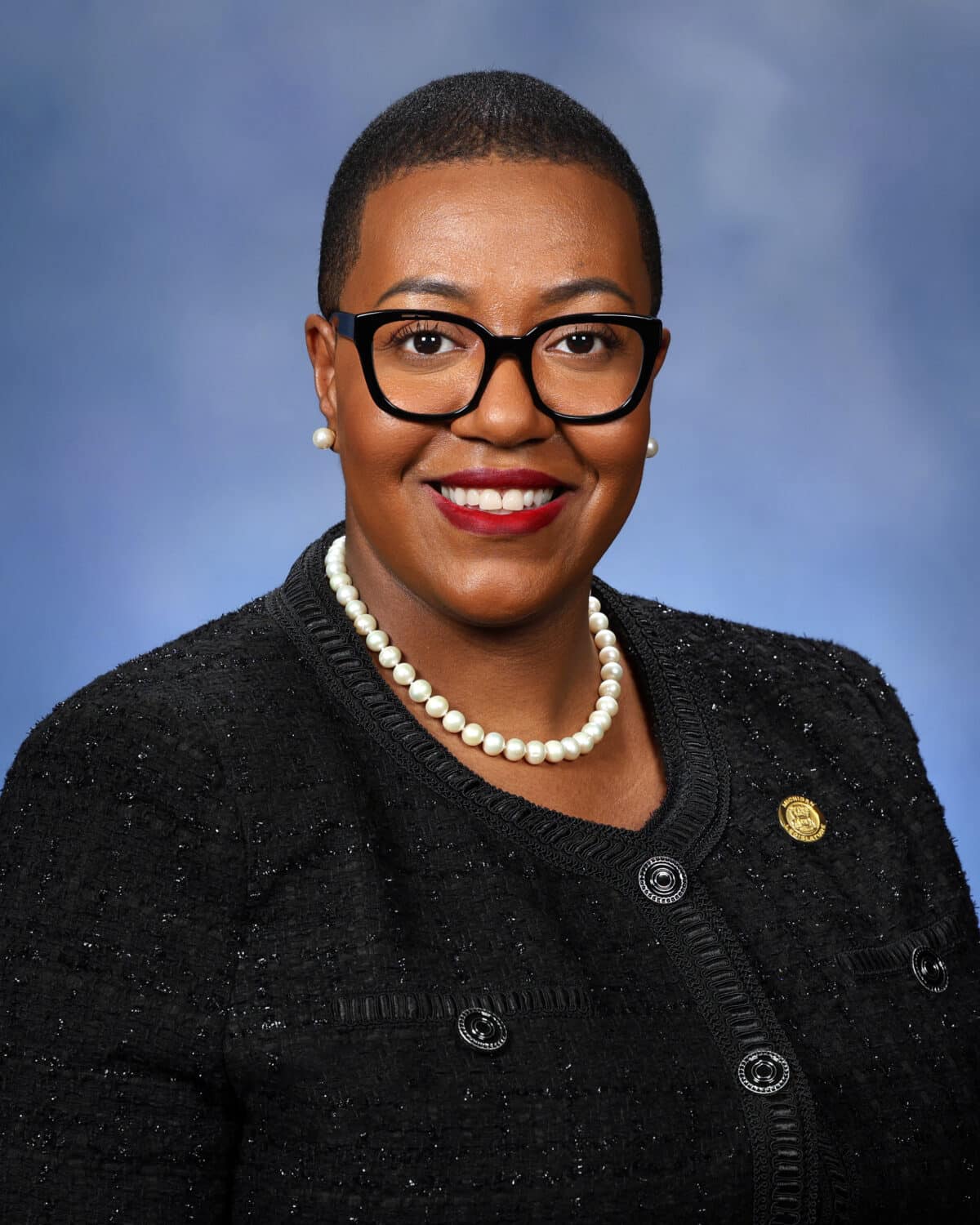
Rep. Morgan Foreman
Sponsored bills
Maddy summaryHB 4767 requires Michigan's Department of Environment, Great Lakes, and Energy to develop a statewide research and monitoring plan focused on microplastics in the Great Lakes. The plan must assess microplastic impacts on health, ecosystems, and drinking water, establish baseline data, identify sources, and propose solutions like source reduction and public education. It mandates collaboration with universities (e.g., MSU, U of M) and adherence to federal standards, with the initial plan due to the legislature by July 2026 and full implementation by July 2028. This directly affects state agencies, research institutions, and Michigan residents through efforts to protect the Great Lakes ecosystem.
Maddy summaryHB 4768 requires Michigan's environmental department to establish a program testing public drinking water for microplastics from 2027 to 2030. The program mandates quarterly testing using methods from agencies like the EPA, focusing on water sources such as Great Lakes tributaries, groundwater near landfills, and agricultural areas. By July 2031, the department must submit a report to the legislature detailing microplastic levels, testing methods, and recommendations for future action. This bill creates a baseline study to understand microplastic presence without setting immediate regulatory limits.
Maddy summaryHB 4766 prohibits the manufacture and sale of personal care products (like face washes and lotions) and cleaning products (including soaps and air fresheners) containing plastic microbeads in Michigan. Starting January 1, 2026, manufacturers cannot make such products, and retailers cannot sell them starting January 1, 2027, with an exception for microbeads below 1 part per million by weight. The law applies to businesses producing or selling these items in Michigan, and violations can result in daily fines up to $2,000. Enforcement falls to the Department of Environment, Great Lakes, and Energy, which will track compliance and report annually.
Maddy summaryHB 4760 requires Michigan law enforcement officers to wear visible identification (showing their name or badge number and agency) and not wear masks or disguises during public interactions while performing duties. Exceptions allow masks for health protection (e.g., airborne diseases), safety from toxins, or physical protection during high-risk incidents like shootouts. The law applies to all state and federal officers in Michigan during public engagements, with violations punishable as misdemeanors (up to 90 days in jail or $1,000 fine). It does not affect covert operations or officers wearing protective gear for legitimate safety reasons.
Maddy summaryThis resolution urges the federal government to maintain funding and reinstate staff for the Low Income Home Energy Assistance Program (LIHEAP) while negotiating the "One Big Beautiful Bill Act." It directly affects Michigan residents who rely on the state's Home Heating Credit Program, which provided assistance to 248,765 Michiganders in 2022 - including low-income families, seniors, and people with disabilities - by helping cover heating costs. The resolution highlights that proposed federal budget cuts to LIHEAP and the recent firing of LIHEAP program staff threaten the program's continuation, potentially causing payment delays or termination. As a non-binding request, it asks federal leaders to prioritize LIHEAP funding to prevent disruption of this critical aid.
Maddy summaryThis House Resolution (HR 143) urges members of Congress to reject President Trump's proposed "One Big Beautiful Bill Act" and instead support policies that fully fund Medicaid, SNAP, and WIC. It directly affects millions of low-income Americans, including children, seniors, people with disabilities, and vulnerable communities who rely on these programs for healthcare, food assistance, and nutrition support. The resolution opposes cuts to Medicaid (which covers 1 in 4 Michiganders), SNAP (impacting 1.4 million Michiganders), and WIC, while criticizing tax breaks for wealthy households and reduced clean energy funding. It calls for expanding healthcare access, promoting clean energy, and ensuring a fair tax system as concrete policy alternatives.
Maddy summaryThis resolution declares July 21-25, 2025, as Fibroids Awareness Week in Michigan. It symbolically recognizes uterine fibroids - noncancerous uterine tumors affecting many women, especially Black women - and aims to raise public awareness about their health impacts. The resolution has no policy or funding provisions; it simply encourages Michiganders to learn about fibroids and support affected individuals. It is a ceremonial measure introduced by Representative Morgan Foreman and adopted on July 24, 2025.
Maddy summaryHB 4742 amends Michigan's environmental permit process to address projects in communities disproportionately affected by pollution (environmentally overburdened communities). It adds a new section (Subpart 2) requiring state agencies to consider community impacts when denying permits or imposing additional conditions for such projects. The bill also repeals the Environmental Permit Review Commission, which previously reviewed permit decisions. This directly affects developers seeking permits in these communities and state agencies responsible for environmental permitting under the Natural Resources and Environmental Protection Act.
Maddy summaryHB 4732 increases penalties for harming police and search-and-rescue dogs or horses used in law enforcement. It makes intentionally killing or causing serious physical harm to these animals a felony (up to 5 years in prison or $10,000 fine), while lesser harm or interference during duties is a misdemeanor (up to 1 year or $5,000 fine), or a felony if committed during another crime. The law applies specifically to animals trained and deployed by Michigan law enforcement agencies for police or search-and-rescue operations. It does not affect other animals or alter existing penalties for unrelated offenses.