

Maddy summaryThis resolution (HR 164) addresses the July 2025 detentions of 16 Hmong and Laotian refugees in Michigan by U.S. Immigration and Customs Enforcement (ICE), who were unexpectedly taken into custody during routine check-ins and later deported to Laos without adequate notice or due process. It demands federal transparency regarding the legal basis for these detentions, urges ICE to provide timely legal counsel and family notification for detainees, and calls for case-by-case reviews of individuals with strong Michigan ties. The resolution specifically highlights concerns about rapid transfers across facilities and the lack of a U.S.-Laos repatriation agreement requiring travel documents. It is directed to the U.S. Department of Homeland Security and Michigan’s congressional delegation, seeking improved oversight and humane treatment.
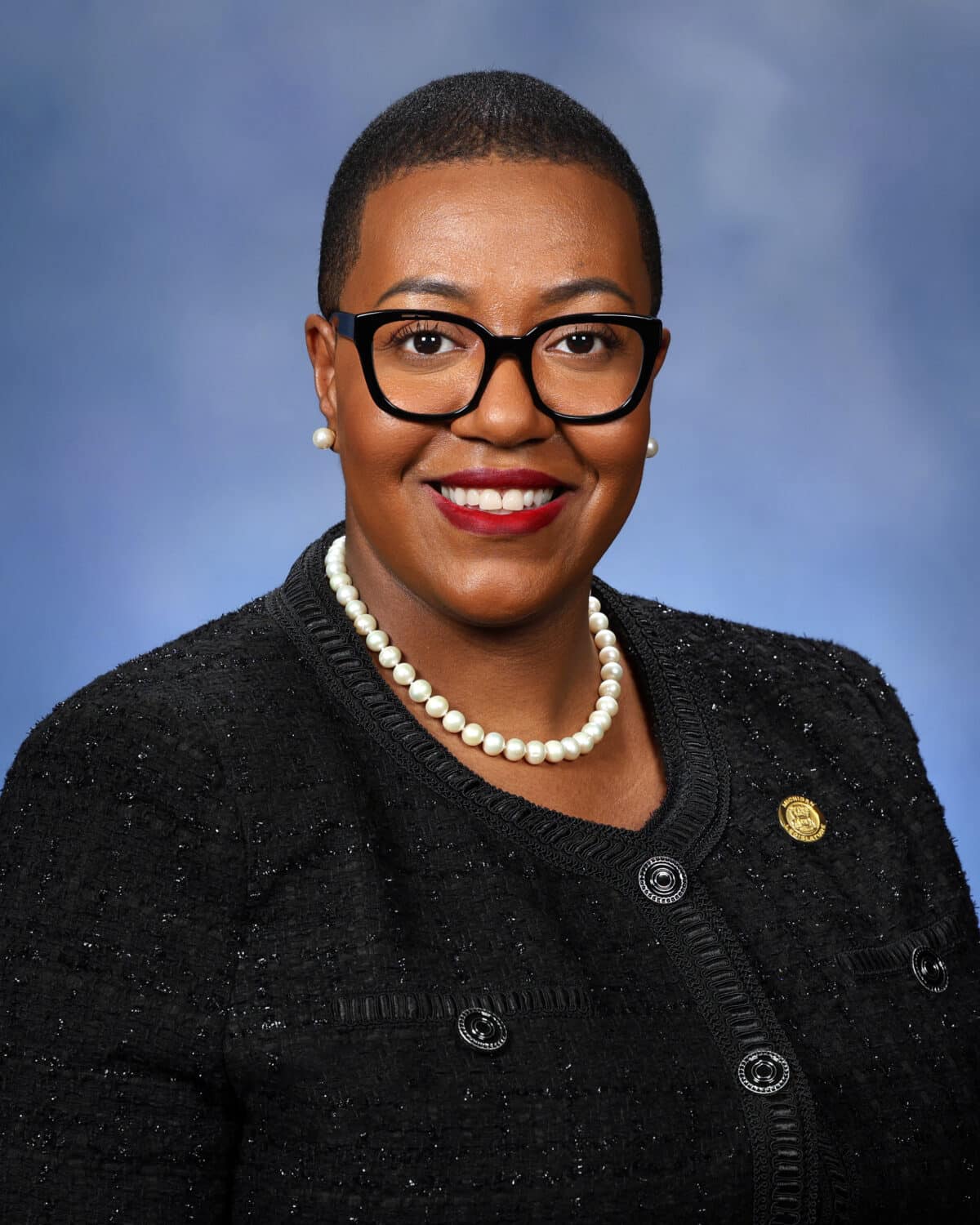
Rep. Morgan Foreman
Sponsored bills
Maddy summaryHB 4827 amends Michigan's Consumer Protection Act to require businesses to clearly disclose automatic renewal terms in consumer contracts. It specifically mandates that companies must prominently state conditions for free trials or services, such as how to cancel before charges apply, to prevent misleading consumers. This directly affects subscription-based businesses, app providers, and any service using automatic renewal clauses. The key provision requires transparent, upfront disclosure of renewal mechanics - like pricing, timing, and cancellation steps - before consumers agree to the contract. This change aims to reduce unexpected charges by ensuring consumers understand renewal terms from the start.
Maddy summaryHB 4826 requires businesses selling services or goods with automatic renewal provisions to clearly disclose key terms in consumer contracts using 14-point type. This includes details on renewal periods, pricing changes (like after free trials), cancellation procedures, and a method to cancel easily (e.g., website link or toll-free number). Businesses must also send electronic reminders 30-60 days before renewal and provide 30 days to cancel after notice. The law applies to most consumer contracts but excludes telecom/broadband services regulated by the Michigan Public Service Commission and certain insurance contracts. It aims to prevent surprise charges and make cancellation straightforward for consumers.
Maddy summaryHB 4814 requires Michigan health insurers to cover medically necessary treatments for menopause and perimenopause (the transition period before menopause), including hormone replacement therapy approved by the FDA. Insurers cannot demand prior authorization, step therapy, or fail-first protocols for these treatments. The bill defines menopause as permanent cessation of menstruation and perimenopause as the transition period near the end of reproductive years. This directly affects all health insurance policyholders in Michigan who need these treatments, ensuring coverage without extra approval hurdles.
Maddy summaryHB 4815 requires Michigan Medicaid to cover medically necessary treatments for menopause and perimenopause symptoms - including hormone replacement therapy and FDA-approved medications - without prior authorization. It prohibits Medicaid from requiring step therapy (e.g., trying other treatments first) for these medications. The bill directly affects Medicaid patients experiencing these symptoms by removing administrative barriers to care. Key provisions amend existing law to exempt these treatments from prior authorization rules and mandate coverage under the medical assistance program.
Maddy summaryHB 4820 requires state agencies to first offer surplus motor vehicles to foster youth aged 16 or older in transition programs before selling them to the public. This applies to all surplus vehicles owned by state agencies and uses a voucher system for the initial offer. The bill amends Section 267 of Michigan's Management and Budget Act to implement this requirement. It directly affects eligible foster youth seeking affordable transportation and state agencies handling vehicle disposal.
Maddy summaryHB 4047 creates a new legal cause of action allowing individuals to sue media organizations that falsely depict them engaging in sexual conduct. The law directly affects media companies publishing such false content and individuals whose reputations were harmed by the inaccurate depictions. It establishes specific procedures for filing these lawsuits within the civil court system. The bill became law on August 26, 2025, after approval by the Governor.
Maddy summaryHB 4048 adds a new sentencing guideline for distributing intimate deepfake sexual images with aggravating circumstances, classifying it as a Class F felony punishable by up to 3 years in prison. This directly affects individuals convicted of disseminating such deepfakes, particularly those with prior offenses under Michigan law. The bill amends sentencing guidelines in Chapter XVII of the Michigan Penal Code to specifically address this crime, establishing a clear penalty framework for courts to apply. It became effective immediately upon the Governor's approval on August 26, 2025.
Maddy summaryHB 4796 would require any armed military force from another state, territory, or district to obtain the Michigan governor's permission before entering the state to perform military duty. This applies to out-of-state military units but excludes U.S. military forces acting under valid presidential authority. The bill amends Michigan's Military Act to add this authorization requirement as a new Section 132. It directly affects military forces from other jurisdictions seeking to conduct training or operations within Michigan. The policy change aims to clarify state authority over military activity on Michigan soil.
Maddy summaryHB 4797 creates a grant program to provide funding to public broadcast stations in Michigan, directly affecting local public radio and TV stations that serve educational, cultural, or civic needs. The bill requires stations to apply with documentation about their local service, financial need, and how funds will maintain public interest programming. It establishes a "public media fund" in the state treasury, appropriating $13 million for fiscal year 2025 to award grants of up to $1.5 million per station for programming, staffing, or infrastructure. The Michigan Department of Education administers the program, prioritizing stations demonstrating commitment to noncommercial, community-focused broadcasting.