

Maddy summaryHB 4739 removes age restrictions for Medicaid coverage of autism spectrum disorder (ASD) diagnosis and treatment in Michigan. It requires the state department to cover these services for all Medicaid-eligible individuals, including those aged 21 and older, within 180 days of the bill’s effective date. The bill mandates the department to seek federal approval to amend Michigan’s Medicaid plan to include these services for adults. This directly affects Medicaid recipients with ASD, ensuring continued access to diagnostic and treatment services regardless of age.
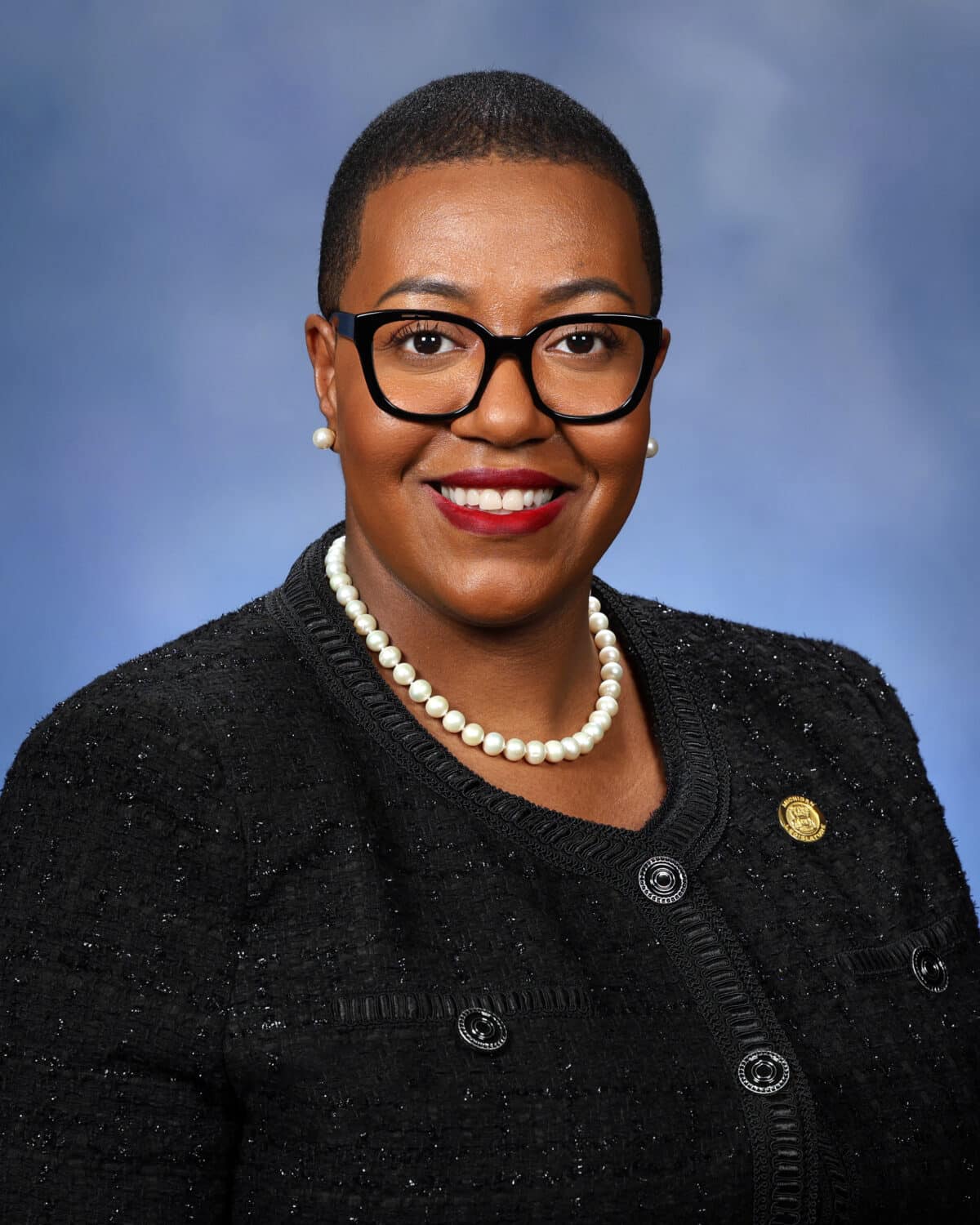
Rep. Morgan Foreman
Sponsored bills
Maddy summaryHB 4740 requires health insurance plans sold in Michigan to cover diagnosis and treatment for autism spectrum disorders (ASD), directly affecting insured individuals with ASD and their families. It mandates coverage for behavioral health treatments like applied behavior analysis, with age-based annual limits: $50,000 for children under 6, $40,000 for ages 7-12, and $30,000 for ages 13-18. Insurers cannot deny coverage based on an ASD diagnosis, limit treatment visits, or apply stricter cost-sharing than for physical illnesses (though annual caps apply). The bill also allows insurers to request periodic diagnostic reviews (e.g., autism diagnostic observation schedule every 3 years) and annual development evaluations.
Maddy summaryHB 4741 modifies Michigan's property tax law by ending certain programs that reduced delinquent tax payments or prevented foreclosure. It adds a $175 fee for properties forfeited to county treasurers due to unpaid taxes (after 12+ months delinquent), changes interest calculations for residential properties under foreclosure avoidance agreements, and updates redemption rules. Homeowners with delinquent taxes, particularly those in residential properties covered by existing tax foreclosure avoidance agreements, will be directly affected by these changes. The bill sunsets specific programs that previously offered payment reductions, requiring property owners to pay full delinquent amounts plus fees to avoid losing their homes.
Maddy summaryHB 4721 creates tax credits for biodiesel sales and production in Michigan, effective 2025-2030. Retail fuel dealers receive credits of $0.02-$0.07 per gallon for selling biodiesel blends (6-9%, 10-19%, or 20%+), while biodiesel producers get $0.02 per gallon. Total credits are capped at $16 million annually for retailers and $2 million for producers, with excess claims distributed proportionally. The bill directly affects Michigan fuel retailers and biodiesel producers by reducing their income tax liability based on specific blend volumes sold or produced.
Maddy summaryHB 4722 creates tax credits to incentivize biodiesel use in Michigan. Retail fuel dealers selling biodiesel blends (6-9% at $0.02/gal, 10-19% at $0.05/gal, 20%+ at $0.07/gal) can claim credits, while biodiesel producers get $0.02 per gallon produced. Credits apply for tax years 2025-2030, with a $16 million total cap for retailers and a $2 million cap for producers. This directly affects Michigan fuel retailers and biodiesel manufacturers by reducing their income tax liability for qualifying sales and production.
Maddy summaryHB 4689 creates a Cultural History Advisory Board within Michigan's Department of Education. The board, appointed by the superintendent of public instruction, must include 2 members from each of 8 cultural communities (Asian-American/Pacific Islander, Latino/Hispanic, Black, Middle Eastern/North African/Chaldean, Indigenous, Caribbean-American, Jewish-American, European-American), plus educators, school administrators, labor representatives, and higher education members. The board must recommend a K-12 curriculum tool kit and professional development on cultural history within two years, collaborating with cultural organizations and schools. This bill establishes the framework for developing educational resources but does not mandate specific curriculum changes.
Maddy summaryHB 4687 requires all Michigan public school districts and public school academies to incorporate one unit of age-appropriate Black history and one unit of Indigenous People history into their history curriculum starting in the 2027-2028 school year. The bill mandates coverage of historical contributions, discriminatory policies, and civil rights advancements by these communities, while requiring instructional materials to align with state standards and include input from cultural centers and experts. Schools must ensure this instruction is inclusive for all students, including those with disabilities and English language learners, and avoid any bias or discrimination. The law allows flexibility for schools to integrate these units into existing lesson plans rather than creating new courses.
Maddy summaryHB 4688 requires Michigan public schools to provide cultural competency training for all educators and school staff starting in the 2027-2028 school year. The state must develop resources covering diversity, cultural identity, historic contributions of multiple cultural groups, and implicit bias (with expert input) by June 2027. Educators must complete this training as part of professional development, while non-educator staff must receive similar training but are exempt from history-focused content. This bill directly affects all public school districts, intermediate school districts, and public school academies in Michigan.
Maddy summaryHB 4675 requires Michigan's education department to develop and share a list of optional cursive handwriting instruction programs for public schools by June 2027. Starting in the 2026-2027 or 2027-2028 school year, school districts and public school academies are encouraged - but not required - to incorporate one of these model programs into their curriculum. The bill aims to support schools in meeting existing credit requirements under Michigan’s merit standards by offering cursive instruction as a voluntary option. It directly affects Michigan public schools by providing resources for optional handwriting education, without mandating changes to current standards.
Maddy summaryHR 138 is a symbolic resolution introduced by Michigan House representatives to declare June 2025 as Lesbian, Gay, Bisexual, Transgender, and Queer Pride Month in the state. It does not create new laws or policies but formally recognizes the historical significance of LGBTQ+ rights movements, including the Stonewall Riots and key legal victories like Obergefell and Bostock. The resolution aims to affirm Michigan's support for LGBTQ+ communities and their contributions to the state's cultural and economic vitality. This declaration directly affects all Michiganders by officially honoring Pride Month through state-level recognition.