

Maddy summaryHB 5573 expands property tax exemptions for specific nonprofit organizations in Michigan. It adds new exemptions for conservation land held by qualified nonprofit groups (like nature preserves open for public recreation) and clarifies exemptions for nonprofit hospitals, skilled nursing facilities, and educational institutions. The bill specifies detailed requirements for organizations to qualify, such as perpetual land preservation for conservation groups and licensing for healthcare facilities. These changes directly affect qualifying nonprofits, conservation organizations, and healthcare providers by allowing them to exclude certain properties from local property taxes. The bill refines existing tax exemption rules without creating new tax rates or funding mechanisms.
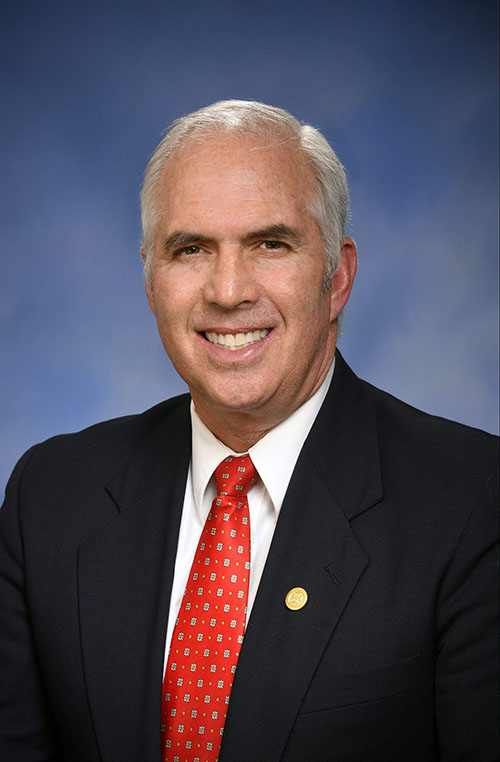
Rep. Jim DeSana
Sponsored bills
Maddy summaryHB 5210 allows commercial fishing license holders to list multiple vessels on a single license instead of requiring separate licenses for each boat. Licensees can add or remove vessels anytime by providing written notice to the department. The bill also clarifies rules for transferring licenses when boats are sold, damaged, or lost, including fee adjustments for larger vessels or non-resident transfers. All vessels listed under one license must operate within 50 miles of the originally designated port.
Maddy summaryHB 5219 would allow direct farm-to-consumer sales of raw milk and raw milk products in Michigan by amending the Food Law. It defines "direct farm-to-consumer product" to explicitly include raw milk meeting requirements under the 2001 Manufacturing Milk Law, enabling farmers to sell these products directly to consumers on their property. The bill adds new sections (4102a and 4102b) to establish this sales pathway while maintaining existing pasteurization requirements for other sales. This change directly affects farmers producing raw milk and consumers purchasing it directly from farms, without altering commercial milk sales rules.
Maddy summaryHB 5217 would allow direct farm-to-consumer sales of raw (unpasteurized) milk and milk products by dairy producers who comply with specific safety standards under Michigan's Food Law (2000). It amends existing milk regulations to explicitly permit this sale method, provided producers meet requirements in Section 4102a of the Food Law and adhere to the definition of "direct farm-to-consumer producer" from the Food Law. This change affects small dairy farms selling directly to consumers, not restaurants or grocery stores, and maintains existing pasteurization requirements for all other milk sales. The bill requires compliance with state safety protocols but does not alter pasteurization rules for commercial distribution.
Maddy summaryHB 5535 would allow plumbing inspectors to provide plumbing services without violating state law. Currently, plumbing inspectors (registered under Article 10) are prohibited from engaging in the plumbing business, such as installing pipes or selling materials, due to potential conflicts with their inspection duties. The bill amends Section 1123 of Michigan's Skilled Trades Regulation Act to remove this prohibition, permitting inspectors to work for or own plumbing businesses. This change directly affects local plumbing inspectors who wish to operate in both roles simultaneously.
Maddy summaryHB 5553 amends Michigan's pipeline law to remove the right to use eminent domain (government property seizure) for carbon dioxide pipelines. It specifically eliminates the provision that previously allowed pipeline companies to condemn private property for transporting carbon dioxide, which currently applies to crude oil and petroleum pipelines. This change directly affects companies planning to build carbon dioxide pipelines, requiring them to negotiate land access with property owners instead of using condemnation. The bill modifies Section 2 of the 1929 pipeline statute (MCL 483.2), limiting condemnation rights to only crude oil and petroleum pipelines. This is a concrete policy change to the property rights mechanism for pipeline development.
Maddy summaryHB 4279 would create a new apprenticeship program for Michigan National Guard members, allowing them to earn industry-recognized certifications while serving. The bill establishes a formal structure for training in high-demand fields like engineering and information technology, directly affecting Guard members seeking to build civilian career skills. Key provisions include requiring the Michigan National Guard to develop partnerships with employers and educational institutions to design the apprenticeships. The legislation is currently pending in committee review and has not yet been enacted.
Maddy summaryHB 4855 would amend Michigan law to permit bow hunters to carry a pistol while hunting. This directly affects licensed bow hunters who currently cannot possess a firearm during hunting activities under existing law (MCL 324.43510). The bill changes the prohibition in the 1994 Michigan Penal Code to allow pistol possession specifically for bow hunters during hunting. The amendment would remove the current restriction, enabling bow hunters to carry a pistol for lawful use while hunting.
Maddy summaryHB 5492, the "regulating automatic license plate readers act," sets rules for private entities operating automatic license plate reader (ALPR) systems, requiring them to preserve captured license plate data for 14 days when law enforcement or a criminal defendant requests it with a specific written statement. The bill prohibits using the data as evidence in court if disclosure would violate the act, mandates data destruction after 14 days if not used, and allows individuals to sue for violations and recover at least $1,000 in damages or actual damages plus legal fees. Vehicle owners' data is protected from public disclosure without consent, except under a court order or warrant, and cannot be accessed by law enforcement without a warrant or specific preservation request.
Maddy summaryHB 4980 amends Michigan's concealed pistol licensing law to allow applicants to file their license applications with *any* county clerk in the state where they reside, rather than requiring filing only in their county of residence. This change directly affects Michigan residents seeking concealed carry permits, simplifying the initial application process. The bill modifies Section 5b of the state's firearms licensing act (MCL 28.425b) to remove the residency county restriction, while maintaining all other requirements like fingerprinting, background checks, fees ($100), and training documentation. It does not alter eligibility criteria, fees, or processing timelines - only the location where applications must be submitted. The bill is pending in the Judiciary Committee as introduced on September 18, 2025.