

Maddy summaryThis constitutional amendment (HJR K) proposes allowing either Michigan legislative house to suspend a member's salary or expense allowance by a two-thirds vote when the member acts unethically or is excessively absent from regular sessions. It amends Article IV, Sections 12 and 16 of the state constitution to establish this process, requiring the house to document the suspension reason in its journal with voting records. The change directly affects state legislators who face disciplinary action for misconduct or attendance issues. If approved, this would give legislative bodies a formal mechanism to withhold compensation for specific violations, rather than relying solely on expulsion.
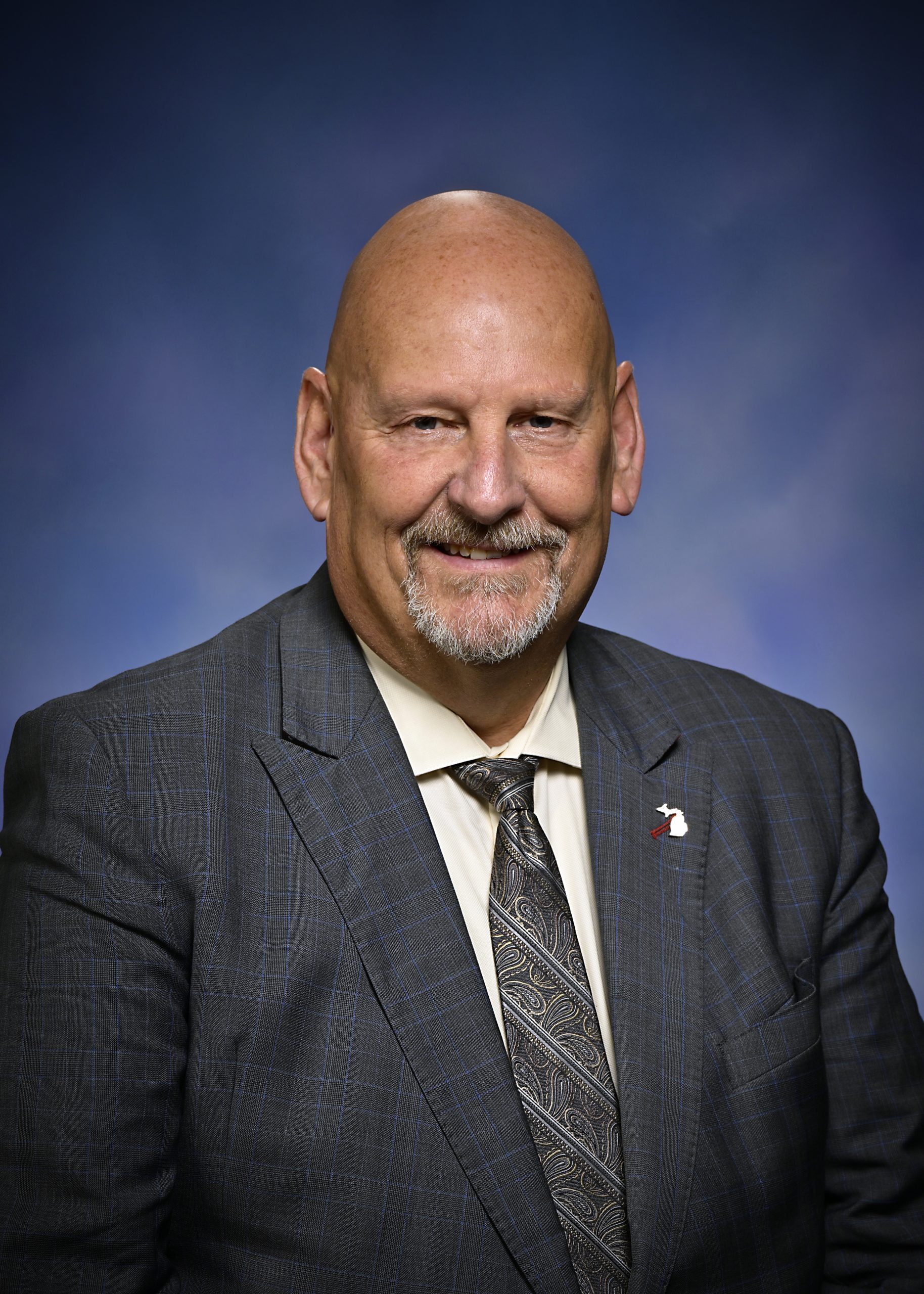
Rep. Curt VanderWall
Sponsored bills
Maddy summaryHB 4757 updates Michigan's rules for how local governments (like cities, counties, and townships) can invest surplus funds. It adds new investment options, including specific federal mortgage securities (like GNMA and FNMA bonds) and certificates of deposit from qualified financial institutions. The bill also sets a 25% limit on corporate bond investments and requires investment officers to use certified professionals or fiduciary advisors. These changes directly affect all local governments managing public funds, ensuring investments follow updated safety and rating standards.
Maddy summaryHB 4390 expands Michigan's vehicle code to allow testing of oral fluid (such as saliva) for controlled substances, alongside blood, breath, or urine, when determining impairment. It directly affects commercial drivers who refuse chemical tests for controlled substances or alcohol while operating commercial vehicles. The bill adds a new definition of "other bodily fluid" to include oral fluid and creates a process for "preliminary oral fluid analysis" conducted by certified experts at the scene. This change updates existing suspension rules for commercial drivers who refuse testing, ensuring consistent enforcement for controlled substances alongside alcohol. The policy change specifically targets commercial motor vehicle operators who decline chemical tests for drugs or alcohol.
Maddy summaryHB 4391 expands Michigan's vehicle code to allow law enforcement to test for intoxication using other bodily fluids beyond blood or breath, such as urine or saliva. It directly affects drivers suspected of operating a vehicle while impaired, updating sections 625a, 625c, and 625g of the 1949 Michigan Vehicle Code (MCL 257.625a et seq.). The bill amends existing testing methods to include these additional fluids, providing more flexibility for officers during DUI investigations. The bill passed the Michigan House on July 17, 2025, with immediate effect.
Maddy summaryHB 4712 creates a new program through which the Michigan Department of Military and Veterans Affairs will reimburse eligible Michigan National Guard members for premiums paid toward Tricare Reserve Select or Tricare Dental coverage. The program allows the department to award grants to qualifying members who apply using a department-provided form, covering premiums for these specific health plans. It directly affects Guard members who are not on active duty and lack other employer or private health insurance. The bill establishes the framework for administering these reimbursements but does not specify funding amounts or application deadlines.
Maddy summaryHB 4558 allows contact lens examinations and evaluations to be conducted via telemedicine (e.g., video call) in addition to in-person visits, but only under specific conditions. It requires that patients have had an in-person exam within the past two years, maintains the same standard of care as in-person visits, and prohibits telemedicine for initial prescriptions or changes to refractive power. The bill affects contact lens patients, optometrists, and ophthalmologists who write prescriptions, ensuring telemedicine options are available for renewals without compromising safety. Existing requirements for valid prescriptions - including detailed information, expiration dates, and provider credentials - remain unchanged.
Maddy summaryHB 4661 creates a grant program to help Michigan law enforcement agencies modernize communication with crime victims using text messages, emails, and multilingual support. It requires agencies to provide automated updates (like arrest notifications or case status changes) without requiring victims to download apps or create accounts. The bill establishes a fund to distribute grant money to state/local agencies, law enforcement, or local governments that meet specific standards for transparent, efficient communication. These standards include real-time notifications, community feedback tools, and multilingual messaging options accessible through simple email or text. The law directly affects crime victims receiving updates and agencies managing victim communication systems.
Maddy summaryHB 4662 allows Michigan courts, law enforcement, and other agencies to send crime victim notices (like case updates) via email or text message, in addition to traditional mail, when victims consent and provide contact details. Agencies must follow state communication standards and cannot use electronic notices if a victim has opted out. This update to the Crime Victim's Rights Act modernizes notification methods while ensuring victims retain full control over how they receive information. It directly affects crime victims in Michigan whose cases involve these notification processes.
Maddy summaryHB 4655 prohibits Michigan state departments or licensing boards from requiring implicit bias training as a condition for health professional licensure or license renewal. The bill directly affects licensed healthcare workers (like nurses, doctors, and therapists) who would otherwise need to complete such training to obtain or maintain their licenses. It achieves this by amending Michigan's Public Health Code to add Section 16149, which bans the enforcement of rules mandating this training, and by rescinding a related section of the Michigan Administrative Code (MCL 338.7004). The bill removes a potential requirement for healthcare professionals seeking initial licensure or renewal.
Maddy summaryHB 4257 defines key terms related to waste management, specifically for anaerobic digestion byproducts (digestate) and their "beneficial use" in agriculture or construction. It creates five distinct categories of beneficial use (e.g., soil application at agronomic rates, road base, or construction fill) with specific environmental safeguards like runoff prevention and groundwater protection. The bill directly affects waste management facilities, farmers, and construction entities handling digestate or ash by clarifying legal standards for its use. These definitions ensure consistent application under existing environmental rules, requiring materials to meet soil-nutrient balance and pollution prevention criteria.