Issue · Healthcare

Healthcare

Every healthcare bill, vote, and legislator stance in Michigan, automatically classified by Maddy, our AI policy reader.

Total bills
530
2025-2026 Regular Session
Top supporter
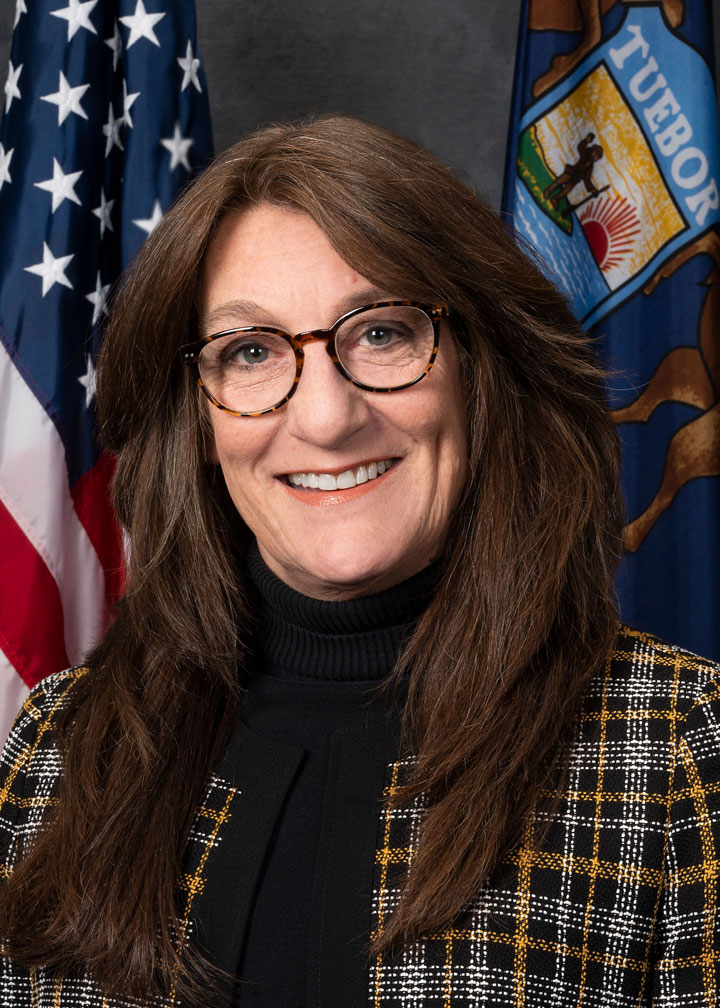
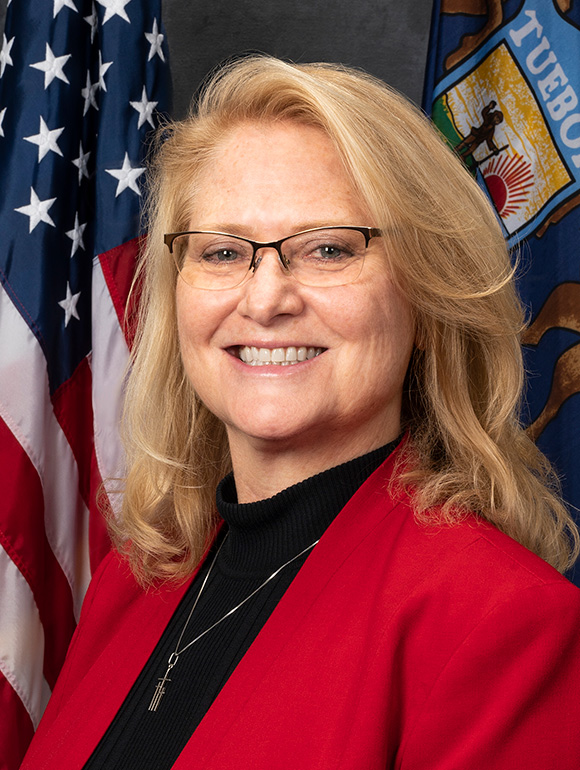
Veronica Klinefelt
96% support rate
Top opponent
Jim Runestad
8% support rate
Ranked legislators
10
5 support · 5 oppose
Key legislators

Who's moving healthcare in Michigan

Legislators moving healthcare in Michigan
Legislator Party Stance Support rate Votes
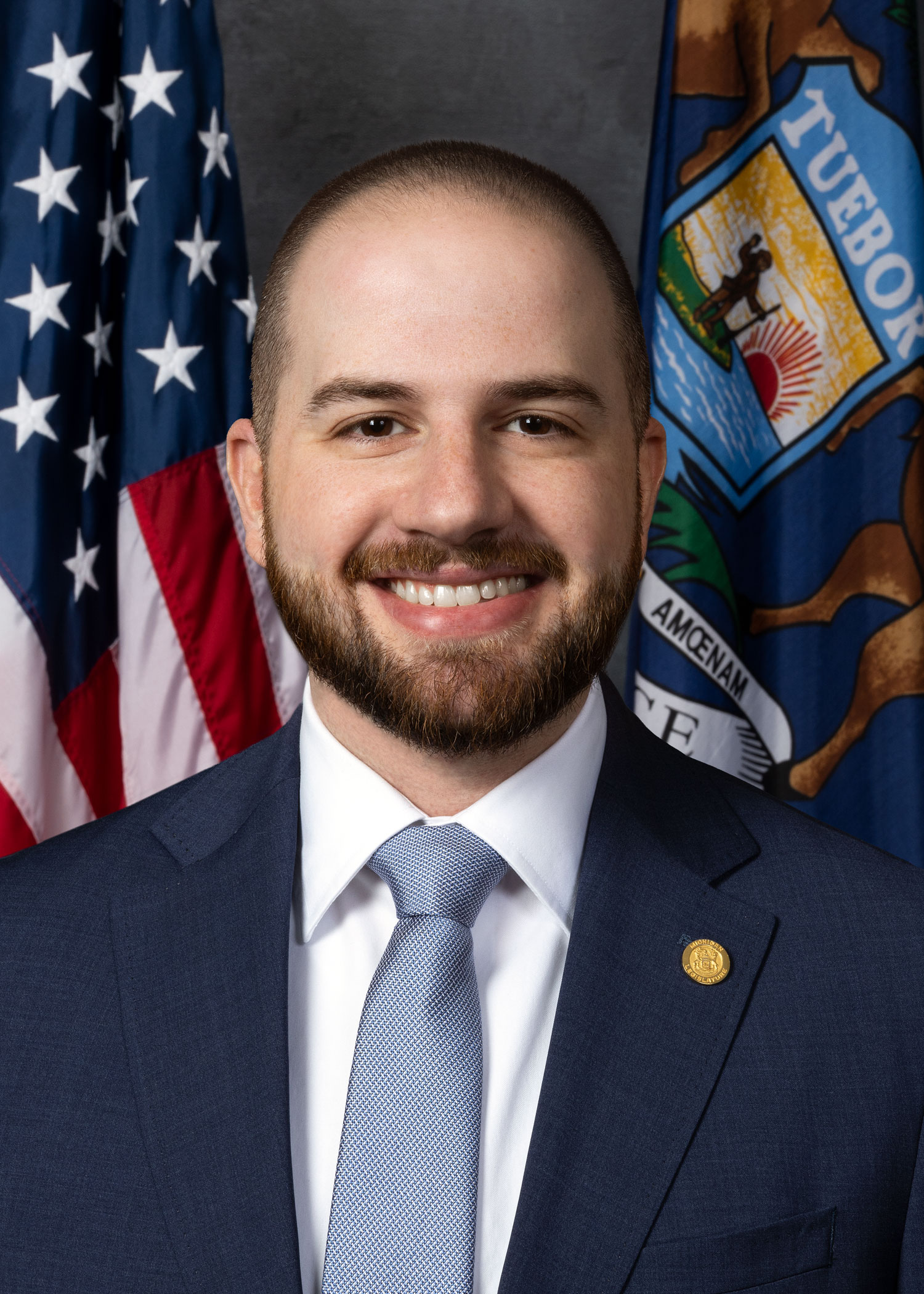
Veronica Klinefelt
Veronica Klinefelt Senate · District 11
D
Strong +
96% 60
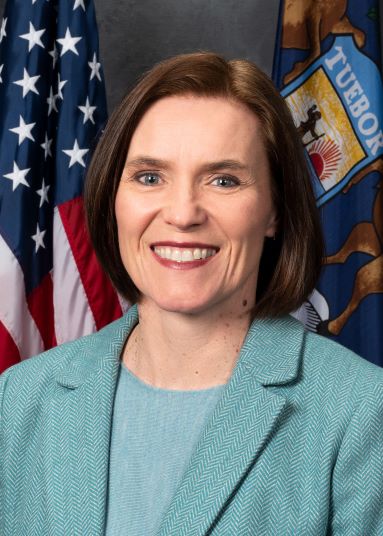
Winnie Brinks
Winnie Brinks Senate · District 29
D
Strong +
93% 64
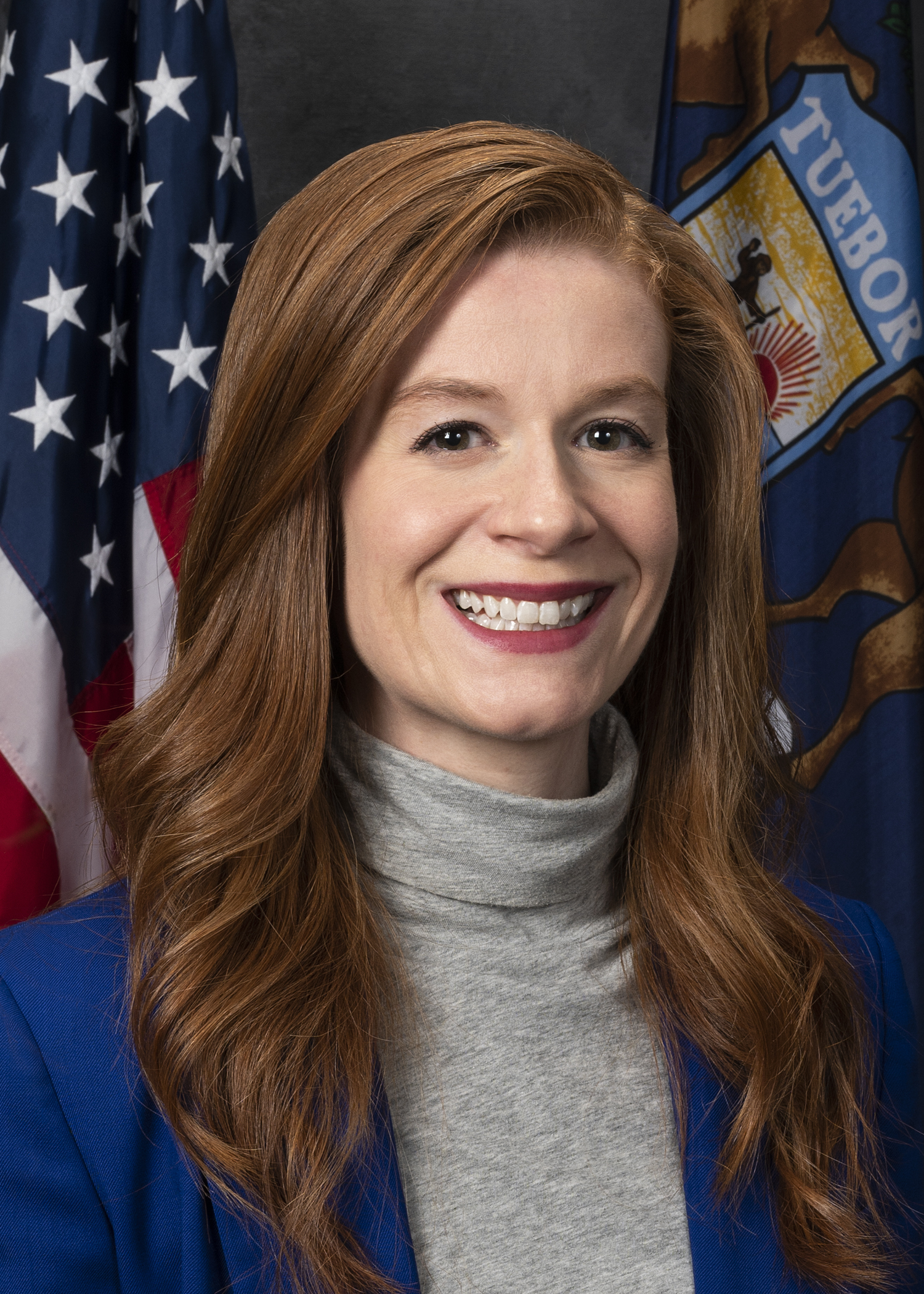
Mallory McMorrow
Mallory McMorrow Senate · District 8
D
Strong +
93% 60
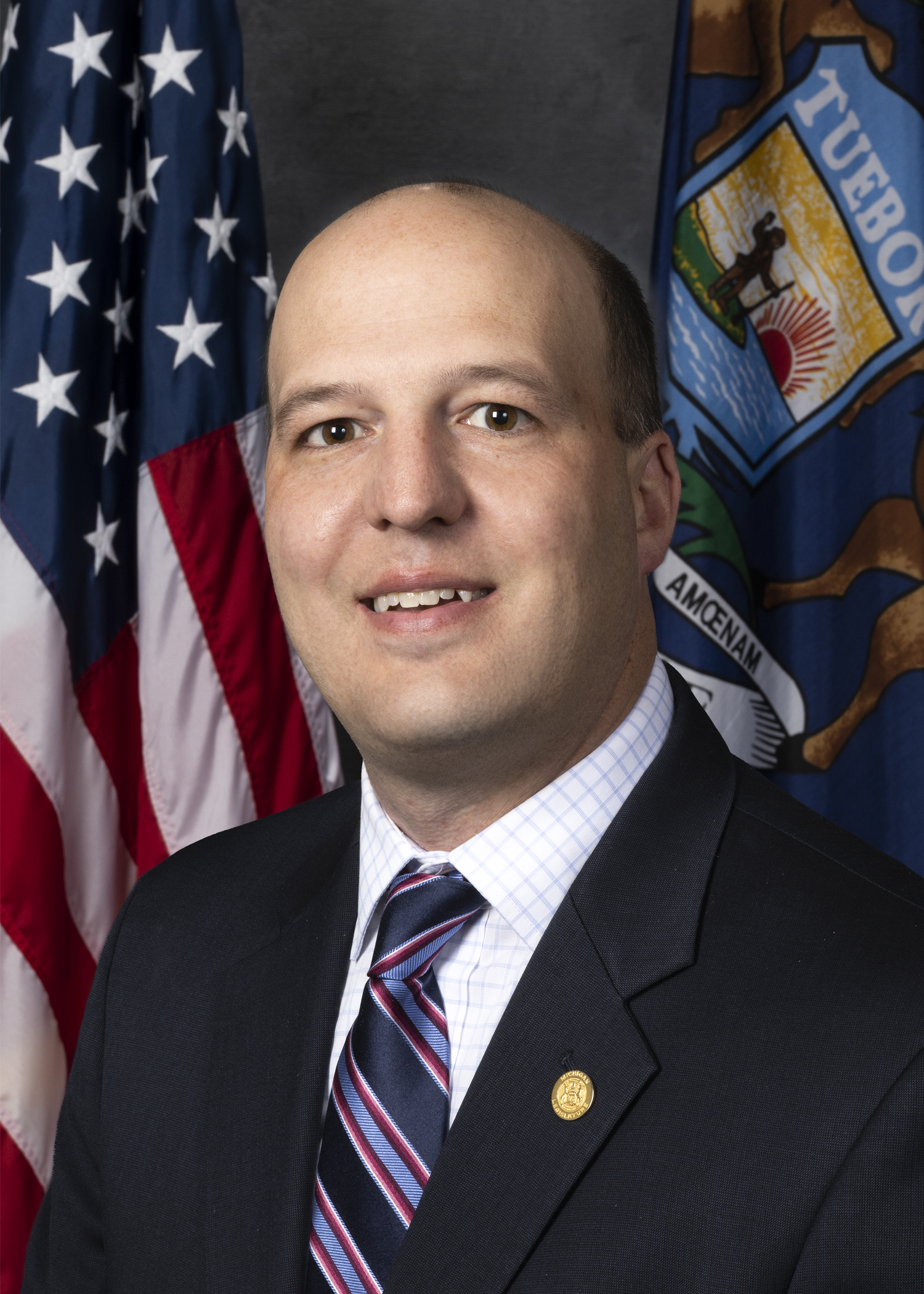
Kevin Hertel
Kevin Hertel Senate · District 12
D
Strong +
93% 63
Jeremy Moss
Jeremy Moss Senate · District 7
D
Strong +
93% 62
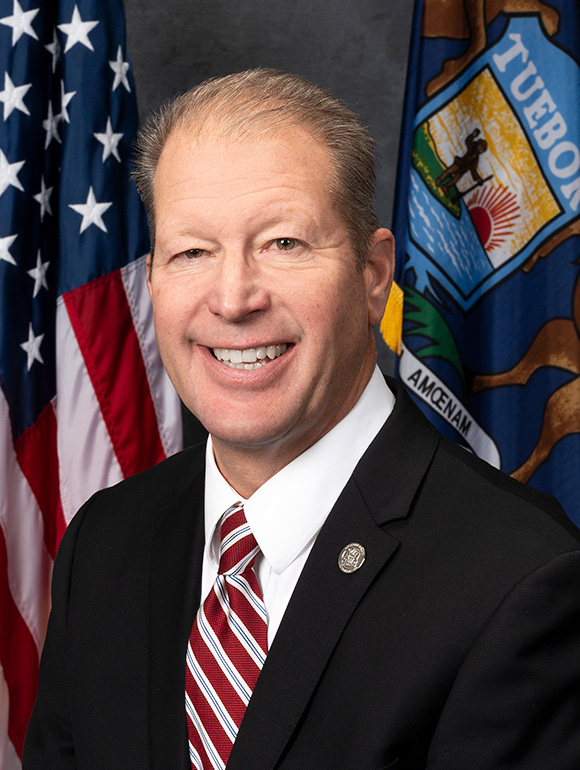
Jim Runestad
Jim Runestad Senate · District 23
R
Strong −
8% 49
Michele Hoitenga
Michele Hoitenga Senate · District 36
R
Strong −
17% 62
Dan Lauwers
Dan Lauwers Senate · District 25
R
Strong −
17% 63
Thomas Albert
Thomas Albert Senate · District 18
R
Strong −
17% 61
Lana Theis
Lana Theis Senate · District 22
R
Strong −
19% 59
Showing 191–200 of 530 bills

All healthcare bills

in committee · Michigan · House Dec 11, 2025

HB 5344: Education: health related; reporting of vaccination rates of pupils; require. Amends sec. 1177 of 1976 PA 451 (MCL 380.1177).

HB 5344 amends Michigan's school code to update how public schools report student vaccination rates. It requires schools to submit annual immunization status reports to health officials by November 1 and February 1, including vision screening data for kindergarten students. Starting in 2028, schools must provide de-identified, aggregated data showing vaccination rates (fully/partially immunized and waiver percentages) and share each student's vaccination status with parents via mail, email, website links, and physical notices in school offices. The bill focuses on transparency and data collection for public health monitoring, without changing vaccination requirements.
Sub-Topics Public Health
passed · Michigan · Senate Jun 17, 2026

SB 771: Environmental protection: sewage; onsite wastewater treatment systems; regulate, and provide for assessments and evaluations. Amends secs. 12751, 12752, 12757 & 12771 of 1978 PA 368 (MCL 333.12751 et seq.) & adds pt. 128.

SB 771 regulates septic and other onsite wastewater systems to protect public health and water quality. It requires property owners with such systems to connect to public sewer lines when an "available public sanitary sewer system" is within 200 feet, unless an approved alternative system (like composting toilets) is used. Local health departments will enforce new rules under "part 128," including inspections and evaluations for non-compliant systems. The bill directly affects homeowners with septic systems, local health departments, and the Department of Environment, Great Lakes, and Energy, aiming to prevent health hazards and water pollution from poorly maintained systems.
in committee · Michigan · Senate Jan 28, 2026

SB 772: Insurance: health insurers; reimbursement rate for telehealth visits; modify. Amends sec. 3476 of 1956 PA 218 (MCL 500.3476).

SB 772 requires health insurers in Michigan to reimburse telehealth visits at the same rate as in-person visits, using the same billing codes. It prohibits insurers from mandating face-to-face visits for services that can be safely provided via telemedicine, as determined by the treating healthcare professional. This applies to all health insurance policies covering telehealth services, directly affecting insurers, healthcare providers, and patients using telehealth. The bill ensures telehealth coverage parity without adding new requirements for providers or altering patient cost-sharing (like copays or deductibles). It modifies existing insurance code language to standardize reimbursement practices for telemedicine.
Sub-Topics Insurance Telehealth
passed both · Michigan · House Jun 23, 2026

HB 5457: Military affairs: other; hyperbaric oxygen therapy pilot program; establish. Creates new act. TIE BAR WITH: HB 5456'26

HB 5457 creates a state fund to support hyperbaric oxygen therapy through grants and a temporary pilot program. The Department of Health and Human Services will administer the fund, using it for grants and operating the pilot program. After the pilot concludes, any remaining funds will transfer to the general state fund. The bill requires another bill (HB 5456) to be enacted first.
in committee · Michigan · House Jan 22, 2026

HB 5466: Health: other; authority to limit patient visitation in certain health care facilities; restrict in emergency orders and under certain circumstances. Amends secs. 2253, 2453 & 5145 of 1978 PA 368 (MCL 333.2253 et seq.).

HB 5466 amends Michigan's Public Health Code to limit emergency orders restricting patient visitation in healthcare facilities to a maximum of 30 days after an epidemic declaration. It specifically requires that after this 30-day period, healthcare facilities must allow "LINDA" (loved individuals need dedicated attention) visitation for patients with cognitive impairments, including family members, patient advocates, or designated attorneys-in-fact. The bill establishes safety measures like prescreening or visit duration limits for these visitors while ensuring facilities maintain safe operations. This directly affects hospitals, assisted living facilities, and physician offices during public health emergencies.
passed · Michigan · Senate Apr 29, 2026

SB 760: Trade: business regulation; availability of companion chatbots to minors; prohibit. Creates new act.

SB 760, the "Leading Ethical AI Development for Kids Act," prohibits operators of companion chatbots from making these AI systems available to minors (under 18) if they could encourage self-harm, unsafe behavior, or harmful interactions like sexual content. The bill specifically bans chatbots that simulate emotional relationships by retaining personal data, asking unsolicited emotional questions, or prioritizing user validation over safety. Operators face $25,000 fines per violation and can be sued by harmed minors or their guardians for damages. This applies to business-owned chatbots designed for ongoing emotional engagement - not customer service or internal tools - and takes effect in 2027.
in committee · Michigan · House Dec 31, 2025

HB 5429: Appropriations: supplemental; funding for the autism navigator program; provide for. Creates appropriation act.

HB 5429 is a supplemental appropriations bill that allocates additional state funding for the autism navigator program. It directly affects the program by providing dedicated financial resources to support its operations and services. The bill creates a new appropriation act to fund this specific initiative within the state budget for fiscal year 2026. This is a procedural funding measure, not a policy change, and it remains pending in the Appropriations Committee after its introduction on December 23, 2025.
passed both · Michigan · House Jun 23, 2026

HB 5456: Military affairs: other; hyperbaric oxygen treatment pilot program; establish. Creates new act. TIE BAR WITH: HB 5457'26

HB 5456 establishes a pilot program providing free hyperbaric oxygen therapy to Michigan veterans diagnosed with traumatic brain injury or post-traumatic stress disorder. The bill creates a state grant program administered by the Department of Health and Human Services, funding providers to deliver treatment at no cost to eligible veterans. Providers must use FDA-cleared chambers meeting specific safety standards and be accredited by organizations like the American College of Hyperbaric Medicine. The program requires the department to implement rules within 12 months and ends after the pilot period concludes.
in committee · Michigan · House Dec 11, 2025

HB 5347: Education: other; reporting of immunization status; modify. Amends sec. 167 of 1979 PA 94 (MCL 388.1767). TIE BAR WITH: HB 5348'25

HB 5347 updates Michigan school immunization reporting rules. It requires public school districts to submit two annual reports (by November 1 and February 1) detailing vaccination status for new K-12 students and grade 7 enrollees, with a focus on deidentified, aggregated data. Districts must maintain 90% compliance for initial enrollments and 95% for annual reports to avoid penalties. Non-compliance triggers a 5% withholding of school funds until standards are met, with full forfeiture if unresolved by year-end. The bill directly affects all public school districts and intermediate districts in Michigan.
Sub-Topics Public Health
in committee · Michigan · House Jun 10, 2026

HB 5453: Criminal procedure: other; prison diversion program for individuals in the possession of controlled substances; create. Amends 1927 PA 175 (MCL 760.1 - 777.69) by adding sec. 21c to ch. XVI.

HB 5453 creates a pre-charge diversion program for individuals suspected of possessing or using controlled substances under Michigan's Public Health Code (MCL 333.7403-7404). It allows prosecutors, law enforcement, and social welfare agencies to collaborate on a program that redirects eligible individuals away from criminal prosecution and into substance use disorder treatment. The program requires case management tracking and mandates that successful completion prevents prosecution for the underlying drug possession offense. This directly affects people charged with low-level drug possession, offering an alternative to jail through treatment-focused supervision.
Showing 191 to 200 of 530 bills
Previous 1 19 20 21 53 Next