

Issue · Healthcare
Healthcare
Every healthcare bill, vote, and legislator stance in Michigan, automatically classified by Maddy, our AI policy reader.
Total bills
530
2025-2026 Regular Session
Top supporter
Veronica Klinefelt
96% support rate
Top opponent
Jim Runestad
8% support rate
Ranked legislators
10
5 support · 5 oppose
Key legislators
Who's moving healthcare in Michigan
| Legislator | Party | Stance | Support rate | Votes |
|---|---|---|---|---|
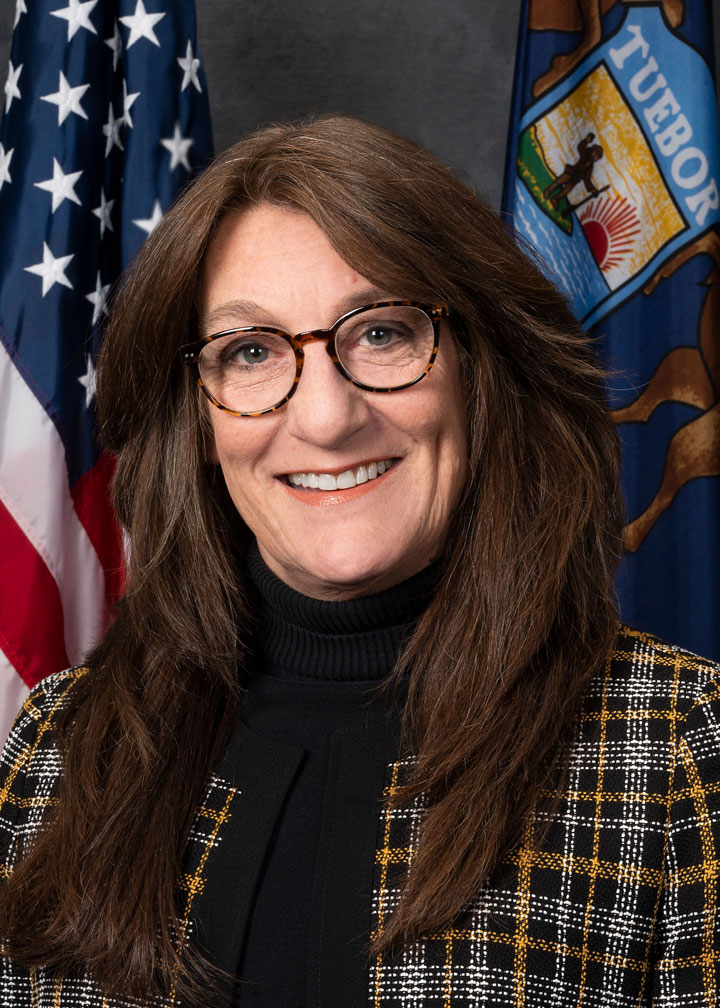
Veronica Klinefelt
Senate · District 11
|
D |
Strong +
|
96% | 60 |
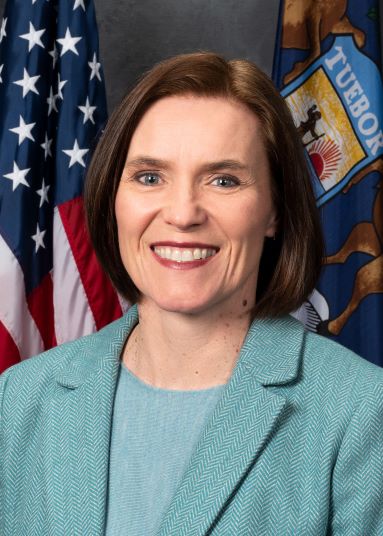
Winnie Brinks
Senate · District 29
|
D |
Strong +
|
93% | 64 |
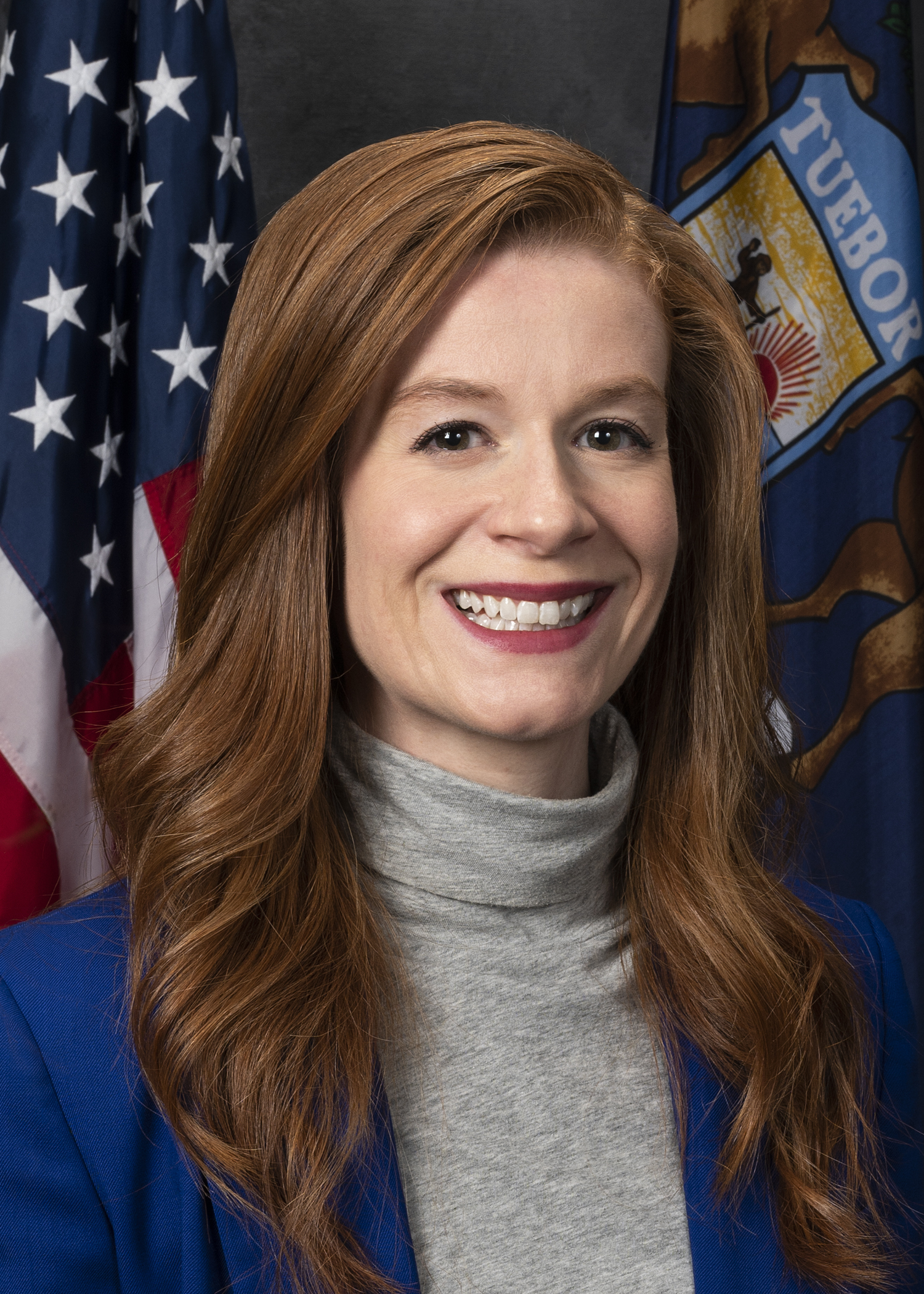
Mallory McMorrow
Senate · District 8
|
D |
Strong +
|
93% | 60 |
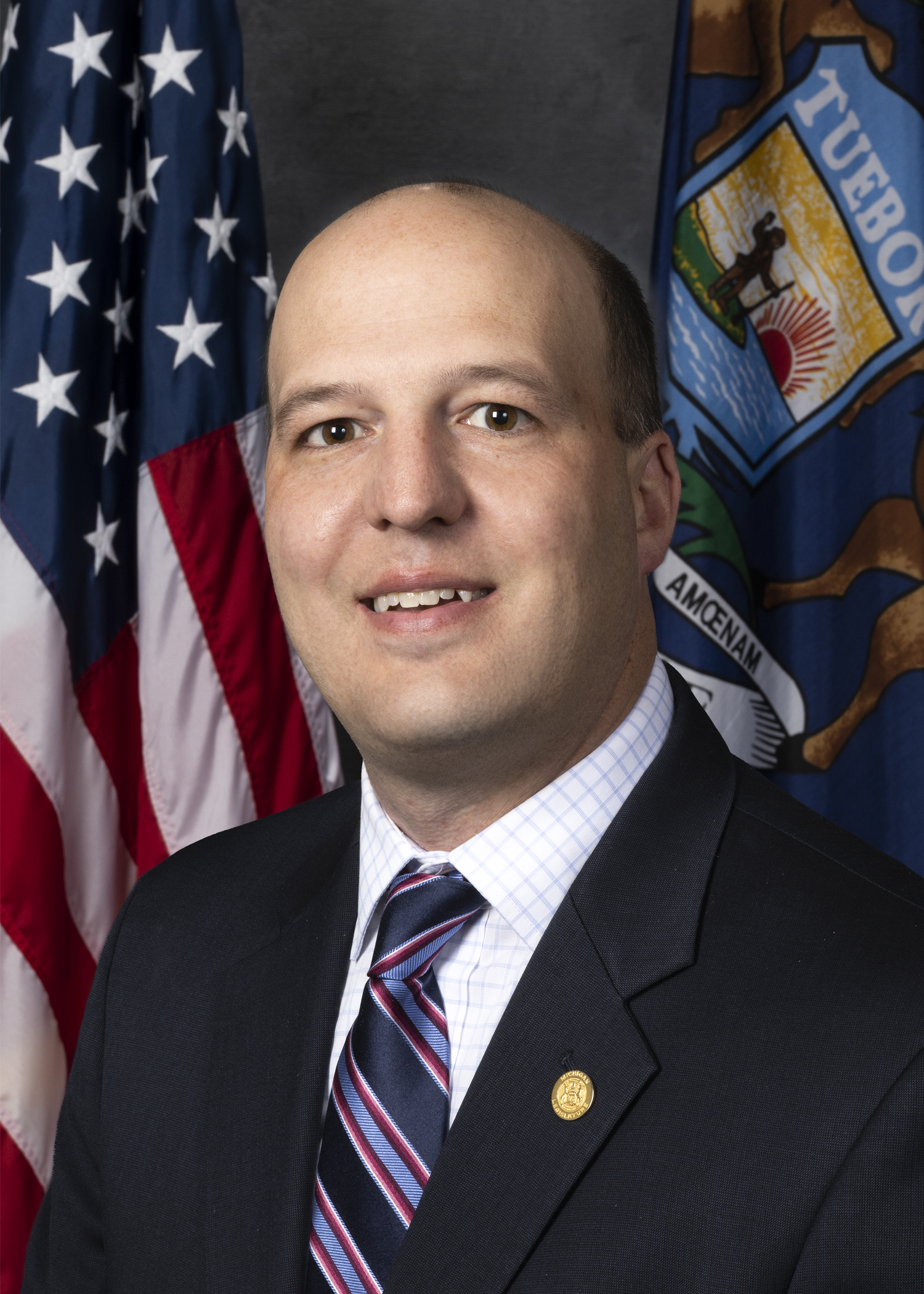
Kevin Hertel
Senate · District 12
|
D |
Strong +
|
93% | 63 |
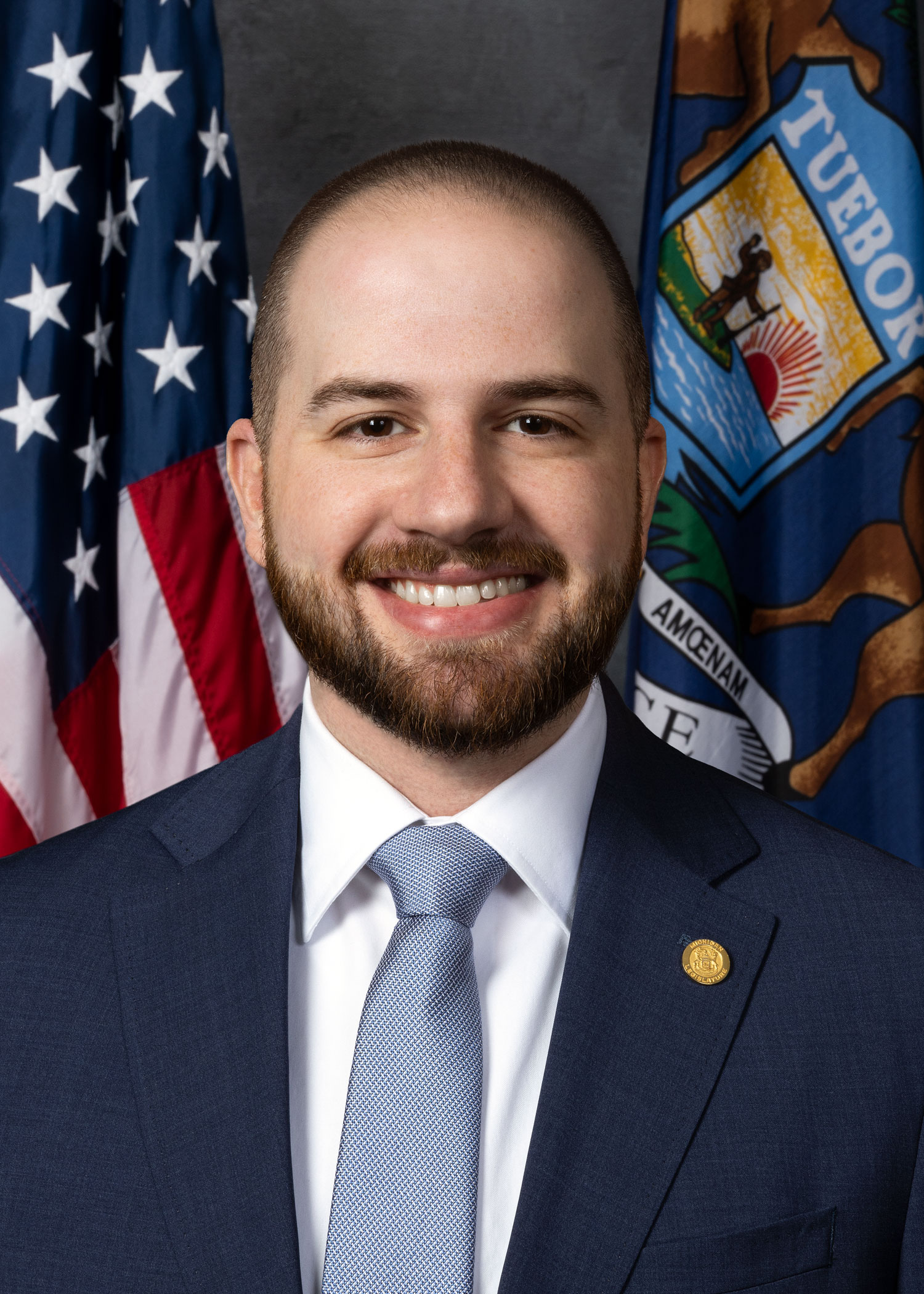
Jeremy Moss
Senate · District 7
|
D |
Strong +
|
93% | 62 |
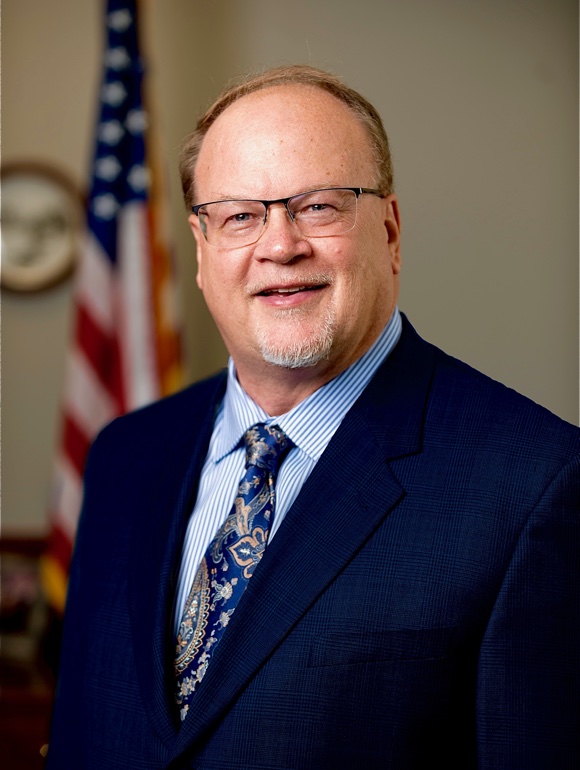
Jim Runestad
Senate · District 23
|
R |
Strong −
|
8% | 49 |

Michele Hoitenga
Senate · District 36
|
R |
Strong −
|
17% | 62 |
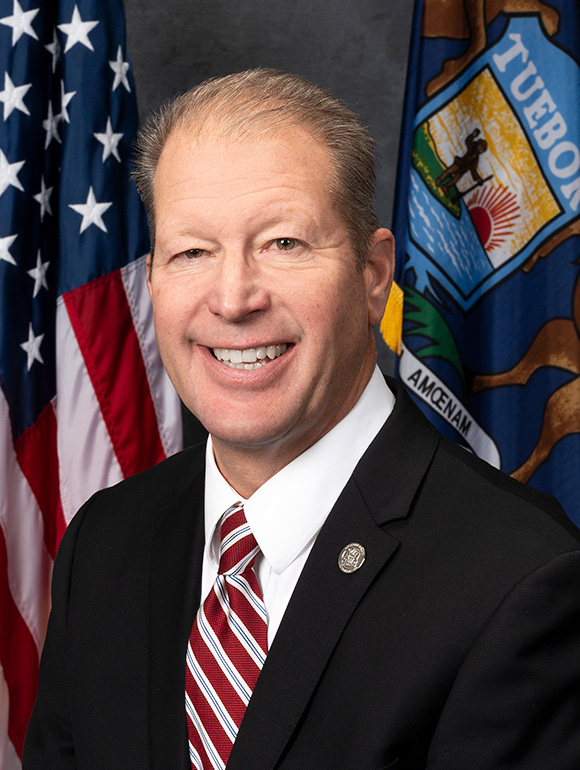
Dan Lauwers
Senate · District 25
|
R |
Strong −
|
17% | 63 |

Thomas Albert
Senate · District 18
|
R |
Strong −
|
17% | 61 |

Lana Theis
Senate · District 22
|
R |
Strong −
|
19% | 59 |
Showing 181–190 of 530
bills
All healthcare bills
SB 805: Health facilities: other; licensure of freestanding hyperbaric oxygen therapy facilities; provide for. Amends 1978 PA 368 (MCL 333.1101 - 333.25211) by adding secs. 21211, 21213, 21215, 21217, 21219, 21221, 21223, 21227 & 21231 to pt. 212. TIE BAR WITH: SB 0803'26, SB 0804'26, SB 0806'26
HB 5606: Appropriations: department of health and human services; appropriations for fiscal year 2026-2027 for human services; provide for. Creates appropriation act.
Topics
✓ Budget & TaxesSupports Budget & TaxesAllocates state funds for MDHHS human services programs, supporting essential public services without policy changes.
✓ HealthcareSupports HealthcareAllocates funding for Medicaid, food assistance, and child welfare programs under MDHHS, directly supporting healthcare services without policy changes.
HB 5572: Property tax: exemptions; exemption of real and personal property owned and occupied by a nonprofit corporation; modify. Amends sec. 7o of 1893 PA 206 (MCL 211.7o).
Topics
✗ Budget & TaxesOpposes Budget & TaxesExpands property tax exemptions for nonprofits, reducing state tax revenue and weakening government fiscal resources.
✓ EnvironmentSupports EnvironmentExpands tax exemptions for conservation nonprofits maintaining public nature areas (hiking/bird watching), directly advancing environmental conservation efforts.
✓ HealthcareSupports HealthcareClarifies tax exemptions for healthcare nonprofits (nursing homes, adult foster care), reducing operational costs to support service provision.
HB 5605: Appropriations: department of health and human services; appropriations for fiscal year 2026-2027 for public health; provide for. Creates appropriation act.
Topics
✓ Budget & TaxesSupports Budget & TaxesAllocates state funding for public health programs under DHHS, supporting fiscal management of essential services without tax changes.
✓ HealthcareSupports HealthcareAllocates state funding for public health programs under DHHS, supporting disease prevention and community health initiatives without defunding existing services.
HB 5590: Health facilities: other; licensure of freestanding hyperbaric oxygen therapy facilities; provide for. Amends 1978 PA 368 (MCL 333.1101 - 333.25211) by adding secs. 21211, 21213, 21215, 21217, 21219, 21221, 21223, 21227 & 21231 to pt. 212. TIE BAR WITH: HB 5591'26, HB 5592'26, HB 5593'26
HB 5514: Children: other; prohibition of use of certain restraints while transporting youths to certain qualified residential treatment programs; provide for. Creates new act.
Tags
Children
HB 5496: Taxation: excise taxes; excise tax on the purchase of wireless communications devices; require for purchases of devices primarily for the use of individuals under 18 years of age. Creates new act.
Topics
✓ Budget & TaxesSupports Budget & TaxesImposes new excise tax to fund Children's Mental Health and Safety Fund, directly increasing state revenue for public services.
✓ HealthcareSupports HealthcareBill creates Children's Mental Health Fund using tax revenue, directly funding mental health services under healthcare topic per bill's explicit purpose.
HB 5488: Health occupations: emergency medical services personnel; licensure of medical first responders and emergency medical technicians; allow at 17 years of age. Amends sec. 20950 of 1978 PA 368 (MCL 333.20950). TIE BAR WITH: HB 5489'26
SB 765: Appropriations: supplemental; funding for a menopause navigator program; provide for. Creates appropriation act.
Topics
✓ Budget & TaxesSupports Budget & TaxesBill allocates $10M from state general fund for new menopause program, increasing public health spending per appropriations language.
✓ HealthcareSupports HealthcareAllocates $10M for menopause navigator program under DHHS, providing direct healthcare resources for women's health concerns as defined in public health code.