Issue · Healthcare

Healthcare

Every healthcare bill, vote, and legislator stance in Michigan, automatically classified by Maddy, our AI policy reader.

Total bills
530
2025-2026 Regular Session
Top supporter
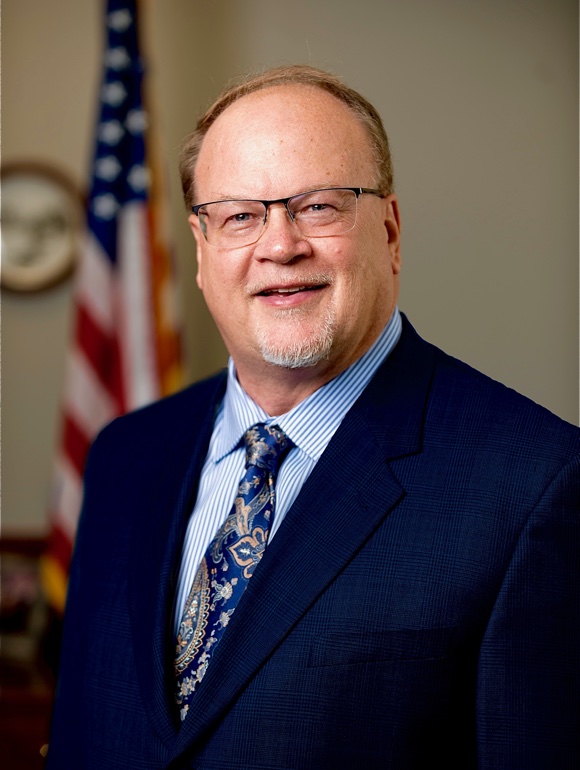
Veronica Klinefelt
96% support rate
Top opponent
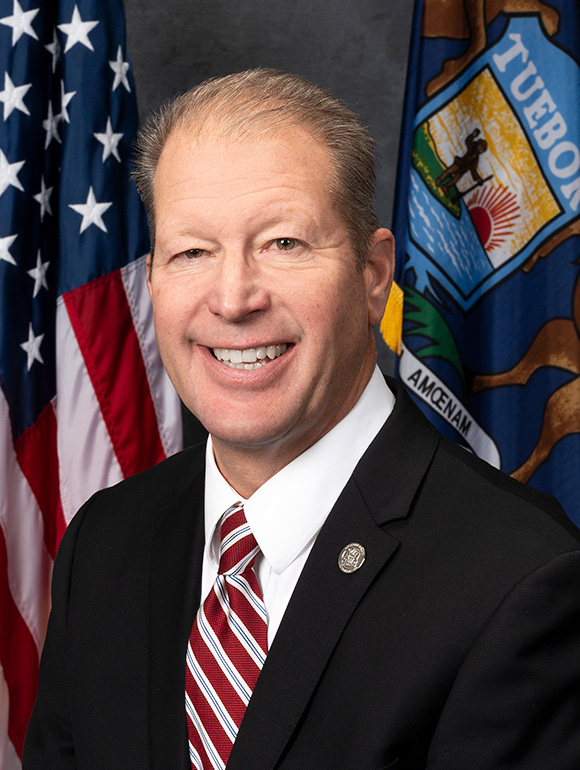
Jim Runestad
8% support rate
Ranked legislators
10
5 support · 5 oppose
Key legislators

Who's moving healthcare in Michigan

Legislators moving healthcare in Michigan
Legislator Party Stance Support rate Votes
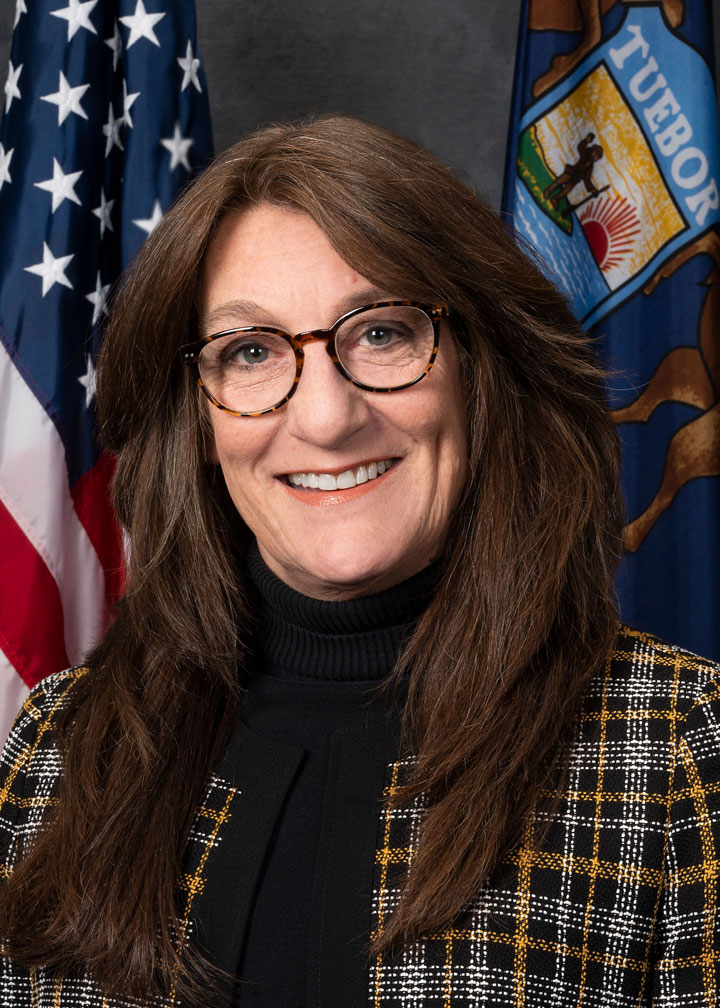
Veronica Klinefelt
Veronica Klinefelt Senate · District 11
D
Strong +
96% 60
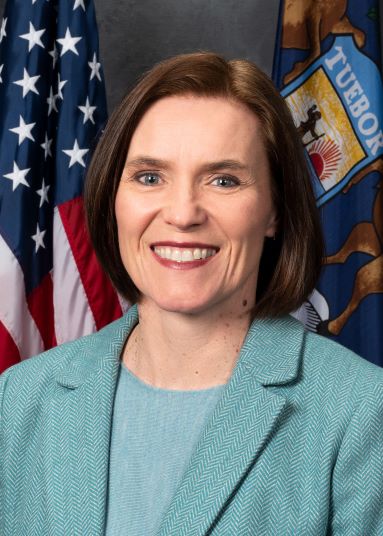
Winnie Brinks
Winnie Brinks Senate · District 29
D
Strong +
93% 64
Mallory McMorrow
Mallory McMorrow Senate · District 8
D
Strong +
93% 60
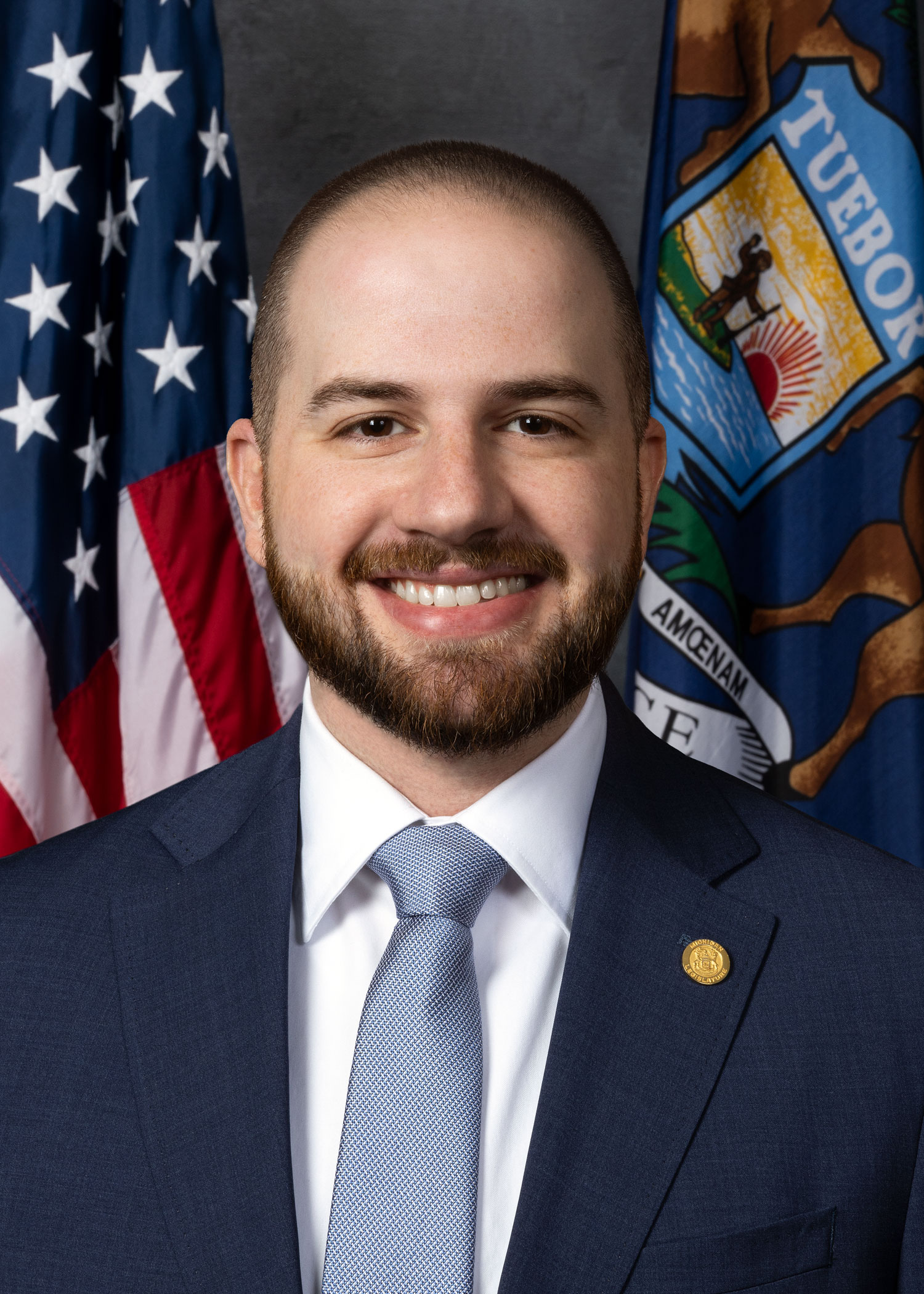
Kevin Hertel
Kevin Hertel Senate · District 12
D
Strong +
93% 63
Jeremy Moss
Jeremy Moss Senate · District 7
D
Strong +
93% 62
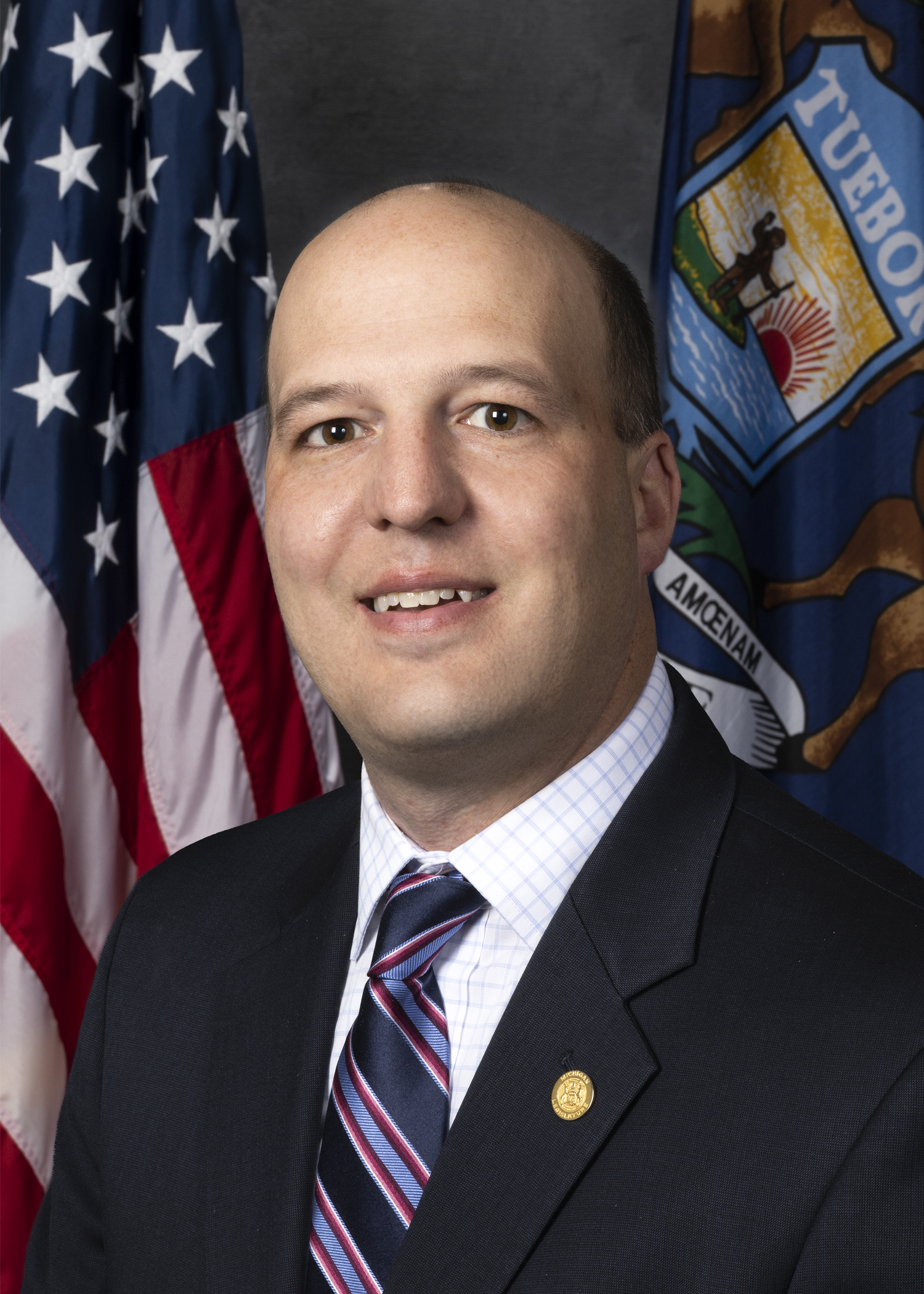
Jim Runestad
Jim Runestad Senate · District 23
R
Strong −
8% 49
Michele Hoitenga
Michele Hoitenga Senate · District 36
R
Strong −
17% 62
Dan Lauwers
Dan Lauwers Senate · District 25
R
Strong −
17% 63
Thomas Albert
Thomas Albert Senate · District 18
R
Strong −
17% 61
Lana Theis
Lana Theis Senate · District 22
R
Strong −
19% 59
Showing 201–210 of 530 bills

All healthcare bills

in committee · Michigan · House Jan 28, 2026

HB 5478: Insurance: health insurers; timeframe to retrieve payment; limit. Amends sec. 2006 of 1956 PA 218 (MCL 500.2006).

HB 5478 requires health insurers to pay complete claims (claims with all necessary information) within 45 days of receipt. If payment is delayed beyond this deadline, insurers must pay 12% simple interest on the claim amount, accruing from 60 days after the claim was received. This applies to health plans paying health professionals, facilities, and providers for services, but excludes worker's compensation claims and Medicaid claims. The interest is paid in addition to the claim amount when settlement occurs.
Sub-Topics Medicaid
in committee · Michigan · House Feb 3, 2026

HB 5489: Health occupations: emergency medical services personnel; licensure of medical first responders and emergency medical technicians; allow at 17 years of age. Amends 1978 PA 368 (MCL 333.1101 - 333.25211) by adding sec. 20950a. TIE BAR WITH: HB 5488'26

HB 5489 would allow 17-year-olds to apply for medical first responder and emergency medical technician (EMT) licenses in Michigan, provided their application includes parental or guardian consent. It maintains an 18-year-old minimum for higher-level roles like paramedics, emergency medical services instructors, or EMT specialists. The bill amends Michigan's Public Health Code to establish these age requirements for EMS licensure, directly affecting young individuals seeking entry into emergency medical careers. This change requires the concurrent passage of HB 5488 to take effect.
in committee · Michigan · House Feb 3, 2026

HB 5486: Health: immunizations; access to the Michigan care improvement registry; restrict and expand the registry to include the reporting of adverse events resulting from immunizing agents. Amends secs. 9206 & 9227 of 1978 PA 368 (MCL 333.9206 & 333.9227).

HB 5486 amends Michigan's Public Health Code to require healthcare providers to report adverse events from vaccines starting January 1, 2027, including specific details like symptoms, outcomes, and medical test results. It directly affects healthcare providers (doctors, clinics, hospitals) who administer vaccines and parents/guardians who may opt out of immunization reporting via written notice. The bill expands the Michigan Care Improvement Registry to include adverse event data while maintaining parental opt-out rights for immunization reporting. Crucially, it prohibits schools and school officials from accessing the registry, reinforcing privacy protections for health records. These changes update existing requirements established in 2023 and 2006, with new adverse event reporting mechanisms taking effect in 2027.
passed · Michigan · House Apr 28, 2026

HB 5302: Health: substance use disorder prevention; competitive grant program to provide grants for recovery community organizations; modify. Amends sec. 273b of 1974 PA 258 (MCL 330.1273b).

HB 5302 creates a $5 million annual competitive grant program for recovery community organizations in Michigan to expand services for people seeking long-term recovery from substance use disorders. The bill requires the state to fund at least 19 certified local recovery groups and qualifying nonprofit associations, with each grant capped at $250,000 (or 50% of an organization’s operating budget). Priority goes to groups offering specific services like recovery navigation, workplace education, and wellness activities (e.g., support groups, nutrition programs). Grantees must report annually on fund usage, participant metrics, and budget details starting in 2027, with the program set to expire on October 1, 2031.
Sub-Topics Substance Abuse
in committee · Michigan · Senate Jun 10, 2026

SB 769: Corrections: state facilities; medical information regarding a prisoner provided to individuals as authorized by a prisoner; allow. Amends 1953 PA 232 (MCL 791.201 - 791.285) by adding sec. 64a.

This bill requires Michigan's Department of Corrections to provide every prisoner with a medical information release form, an emergency contact form, and an informational brochure upon intake. Prisoners must designate specific individuals to receive their medical information (authorized recipients) and to be contacted during a critical medical emergency (emergency contacts), with the department instructing them to keep contact details updated. In a critical medical emergency, the department must notify the designated emergency contact and may arrange for approved visitors (like family or clergy) to visit the prisoner in the hospital. The department must develop the required forms and brochure within 90 days of the bill's effective date and make them available to all prisoners.
Sub-Topics Hospitals
in committee · Michigan · Senate Jan 15, 2026

SB 766: Health: licensing; relicensure and reregistration of certain temporary and limited licenses; provide for. Amends sec. 16201 of 1978 PA 368 (MCL 333.16201).

SB 766 amends Michigan's Public Health Code to clarify relicensing rules for health professionals holding temporary or limited licenses. The bill ensures these professionals can apply for relicensure within three years of license expiration by meeting the continuing education and competency requirements that were in effect at the time of expiration - rather than current standards. For licenses expired less than 60 days, holders may continue practicing by paying late fees and fulfilling continuing education requirements during this grace period. This change specifically extends the three-year relicensing window to temporary and limited licenses, which were previously not explicitly covered under the existing provision.
signed · Michigan · House Apr 14, 2026

HB 5455: Health occupations: physicians; interstate medical licensure compact; update. Amends 1978 PA 368 (MCL 333.1101 - 333.25211) by adding sec. 16189.

HB 5455 enacts Michigan's participation in the Interstate Medical Licensure Compact, allowing physicians licensed in participating states to more easily obtain licenses in Michigan and other member states. This directly affects physicians seeking to practice across state lines, particularly through telehealth or in rural areas with healthcare shortages. The bill establishes a streamlined "expedited license" process for eligible physicians who meet specific criteria (like holding a full license in another member state and having no disciplinary history), while requiring physicians to follow the licensing rules of the state where the patient is located during care. It does not change Michigan's existing medical practice laws but creates a new pathway for multi-state licensure through a standardized compact process.
in committee · Michigan · House Jan 27, 2026

HB 5473: Health: licensing; presence of a medical professional at a compliance conference review; require. Amends sec. 16231 of 1978 PA 368 (MCL 333.16231).

HB 5473 requires that during a compliance conference review for healthcare licensing issues, the department must include one medical professional from the same health field as the licensee or registrant, upon their request. This applies to healthcare licensees (such as doctors, nurses, or other practitioners) facing investigations under Michigan's Public Health Code. The bill amends existing procedures to ensure licensees have direct access to a peer professional during these resolution discussions. The change aims to provide specialized expertise during conference negotiations without altering investigation timelines or other existing requirements.
in committee · Michigan · House Dec 11, 2025

HB 5346: Health: immunizations; Michigan care improvement registry; ensure that users have access to certain data. Amends secs. 9201 & 9207 of 1978 PA 368 (MCL 333.9201 & 333.9207).

HB 5346 amends Michigan's Public Health Code to update access to the Michigan Care Improvement Registry (formerly the Childhood Immunization Registry). It requires the state department to allow users to query and extract immunization records by school building, directly affecting school health staff and administrators. The bill also adds a provision enabling individuals aged 20 or older to request that their personal immunization records be made inaccessible in the registry upon submitting a written request. These changes focus on improving data accessibility for school-based health management while enhancing privacy options for adult patients.
in committee · Michigan · House Dec 31, 2025

HB 5436: Insurance: health insurers; coverage for hearing aids or hearing-related services for certain enrollees; require. Amends 1956 PA 218 (MCL 500.100 - 500.8302) by adding sec. 3406uu.

HB 5436 requires health insurers in Michigan to cover hearing aids and related services for qualifying enrollees. It mandates coverage up to $3,000 per hearing aid every 36 months (adjusted annually using the Consumer Price Index starting in 2026), including evaluations, fittings, repairs, and related devices like earmolds. To qualify, an enrollee must be evaluated for hearing loss by an audiologist and medically confirmed as a hearing aid candidate by an otolaryngologist. Insurers may apply existing cost-sharing (like deductibles) but cannot exceed the $3,000 cap per device.
Sub-Topics Insurance
Showing 201 to 210 of 530 bills
Previous 1 20 21 22 53 Next