Issue · Criminal Justice

Criminal Justice

Every criminal justice bill, vote, and legislator stance in Michigan, automatically classified by Maddy, our AI policy reader.

Total bills
337
2025-2026 Regular Session
Top supporter
Amos O'Neal
100% support rate
Top opponent
Lana Theis
27% support rate
Ranked legislators
10
5 support · 5 oppose
Key legislators

Who's moving criminal justice in Michigan

Legislators moving criminal justice in Michigan
Legislator Party Stance Support rate Votes
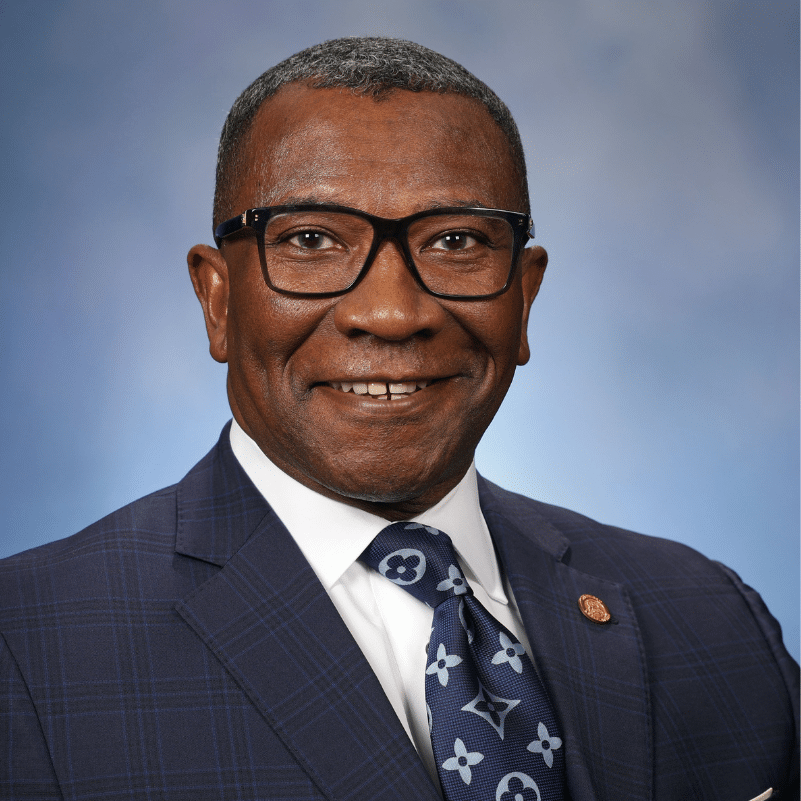
Amos O'Neal
Amos O'Neal House · District 94
D
Strong +
100% 18
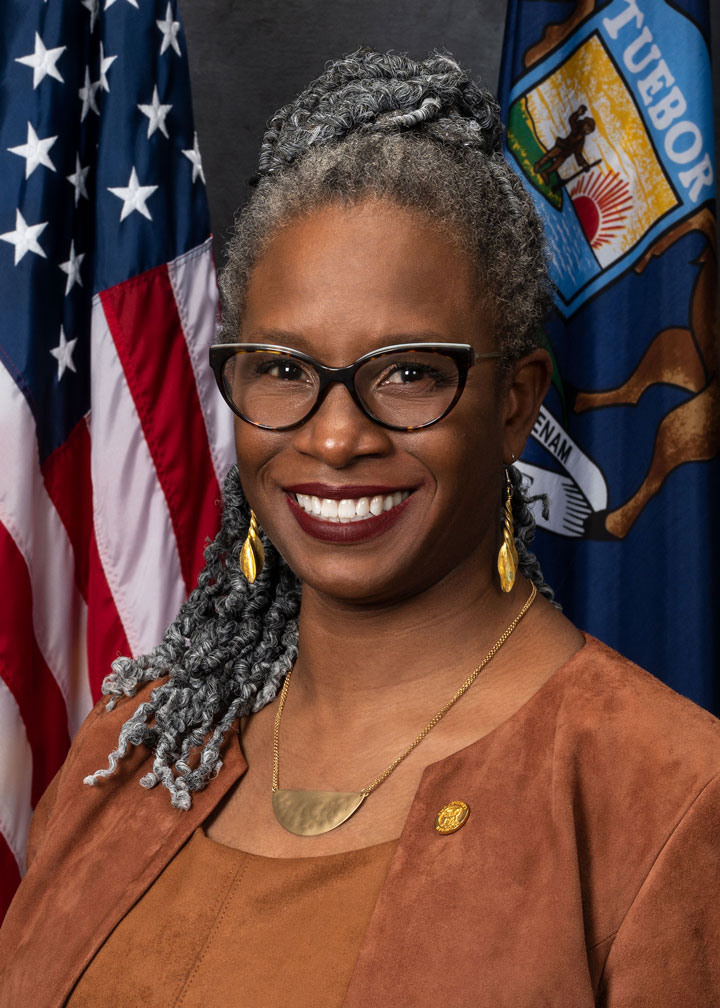
Erika Geiss
Erika Geiss Senate · District 1
D
Support
77% 43
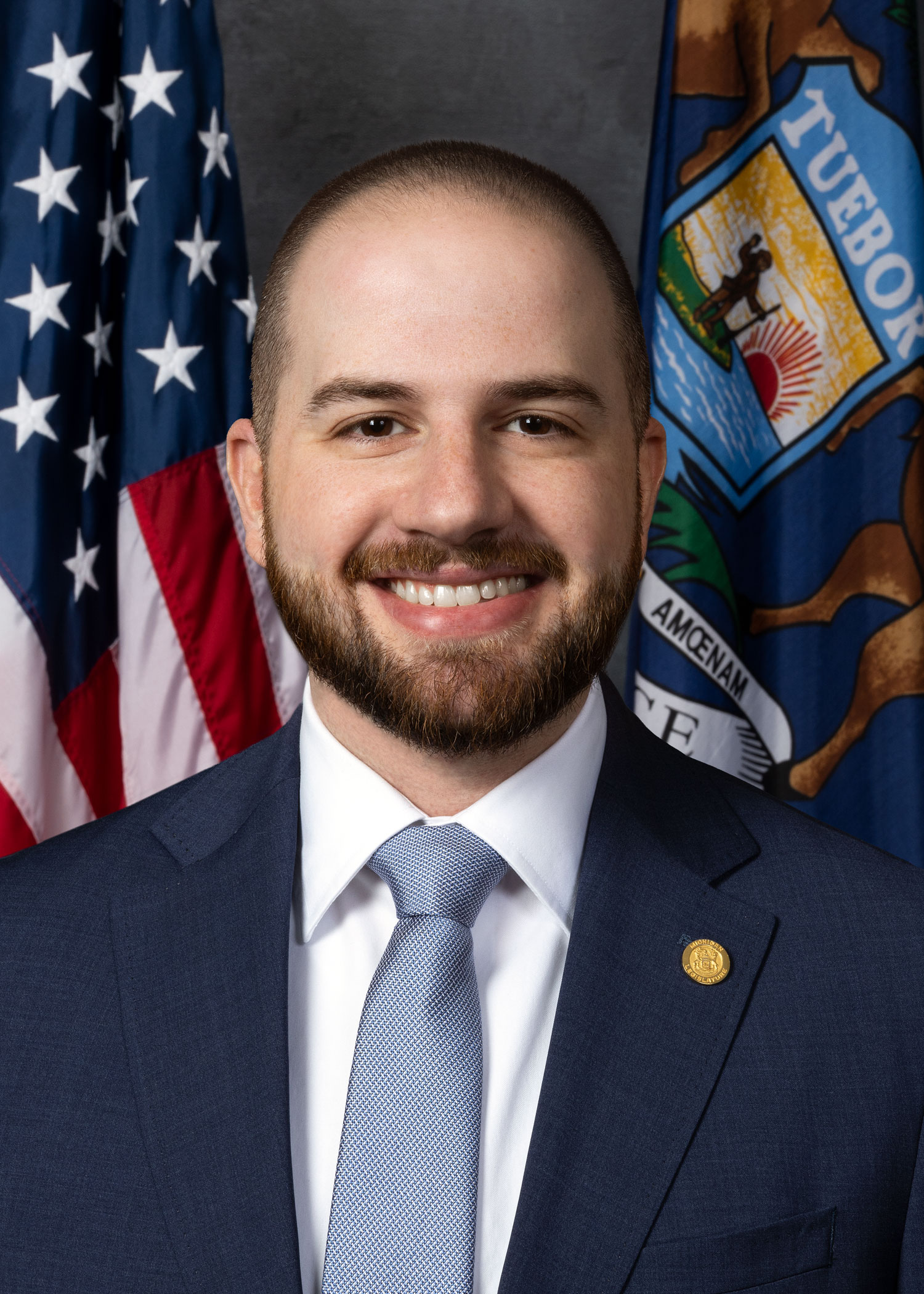
Jeremy Moss
Jeremy Moss Senate · District 7
D
Support
73% 48
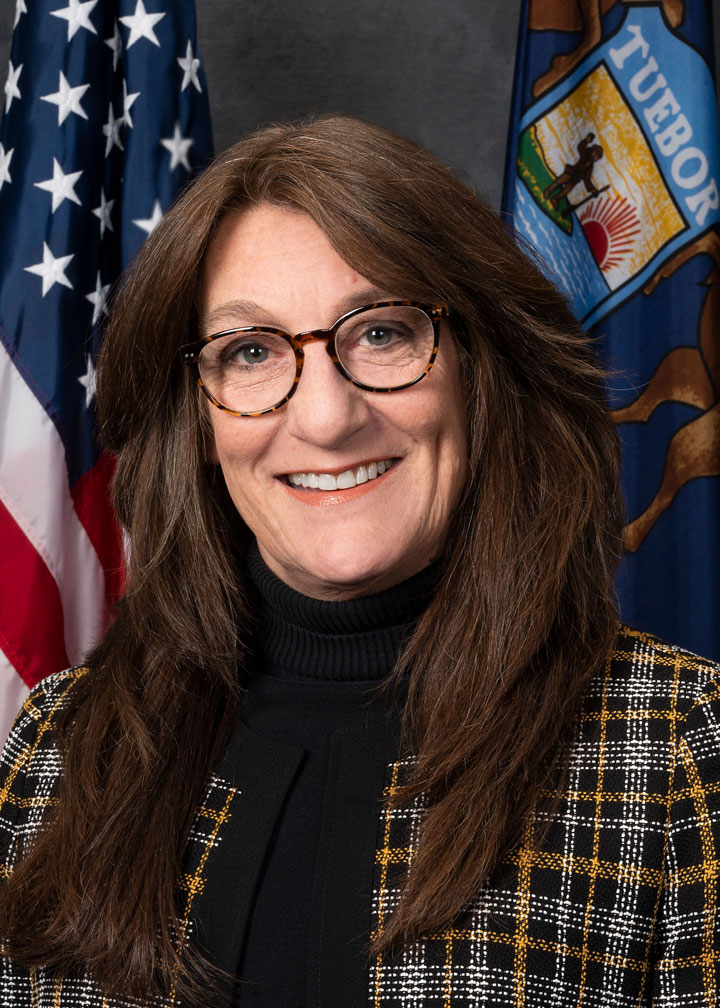
Veronica Klinefelt
Veronica Klinefelt Senate · District 11
D
Support
73% 48
Sarah Anthony
Sarah Anthony Senate · District 21
D
Support
73% 48
Lana Theis
Lana Theis Senate · District 22
R
Oppose
27% 43
Thomas Albert
Thomas Albert Senate · District 18
R
Oppose
27% 48
Michele Hoitenga
Michele Hoitenga Senate · District 36
R
Oppose
27% 48
Jonathan Lindsey
Jonathan Lindsey Senate · District 17
R
Oppose
27% 47
Jon Bumstead
Jon Bumstead Senate · District 32
R
Oppose
29% 44
Showing 161–170 of 337 bills

All criminal justice bills

in committee · Michigan · House Jun 24, 2026

HB 5121: Civil procedure: service of process; cost for service of process for personal protection orders; eliminate. Amends sec. 2950a of 1961 PA 236 (MCL 600.2950a) & adds secs. 2950d & 2950p. TIE BAR WITH: HB 5120'25, HB 6033'26

HB 5121 eliminates the cost for serving personal protection orders (PPOs) in Michigan. It directly affects individuals seeking PPOs to protect against harassment, stalking, or sexual assault by removing the requirement that petitioners pay for service of the order on the respondent. The bill amends Michigan’s court procedures to eliminate this fee, making it easier for petitioners - especially those with limited resources - to obtain and enforce PPOs without upfront costs. This change applies to all PPOs filed under the specified sections of Michigan law, streamlining the process for victims.
in committee · Michigan · House Sep 29, 2025

HB 5065: Occupations: business licensing and registration; license to sell firearms at retail; provide for. Amends 1927 PA 372 (MCL 28.421 - 28.435) by adding secs. 12c, 14b & 14c.

HB 5065 requires retail firearm dealers in Michigan to obtain a state-issued license ($250 fee) and renew it annually ($200 fee). It mandates annual training for dealers and employees on firearm safety, identifying illegal sales, and preventing trafficking, with a 70% passing score needed. The bill applies to businesses selling firearms regularly (not occasional sellers of 8 or fewer firearms yearly) and requires federal licensing, age checks (21+), and criminal background checks for staff. Dealers must display licenses prominently and maintain records for four years. The law aims to regulate retail firearm sales through licensing, training, and record-keeping requirements.
Sub-Topics Firearms
in committee · Michigan · House Nov 4, 2025

HB 5164: Crimes: firearms; transporting or possessing a firearm in or upon motor vehicle; modify. Amends sec. 227d of 1931 PA 328 (MCL 750.227d).

HB 5164 modifies Michigan law to regulate transporting firearms and certain air guns in moving vehicles. It prohibits carrying a firearm (other than a pistol) or a pneumatic gun expelling metal BBs/pellets over .177 caliber in a moving vehicle unless the weapon is unloaded and stored in one of four ways: disassembled, in a case, in the trunk, or inaccessible from inside the vehicle. Violating this would be a misdemeanor punishable by up to 90 days in jail or a $100 fine. The bill directly affects drivers transporting these items in vehicles while operating them, with no exception for pistols.
Sub-Topics Firearms
in committee · Michigan · House Mar 12, 2025

HB 4196: State: identification cards; cross reference to 1972 PA 22; update. Amends sec. 5 of 2008 PA 23 (MCL 28.305). TIE BAR WITH: HB 4194'25

HB 4196 amends Michigan's Enhanced Driver License and ID Card Act (MCL 28.305) to update how personal information is handled for applicants. It specifies that facial images and signatures collected for these IDs may only be shared with law enforcement agencies, other states (as required by federal law), or with an individual's written consent, while prohibiting disclosure of Social Security numbers on the card itself. The bill also clarifies retention rules for facial images (1 year unless fraud is suspected) and strengthens privacy protections by restricting disclosure of sensitive documents. This directly affects Michigan residents applying for enhanced driver licenses or official state ID cards, ensuring their biometric data and personal information are used only under defined, limited circumstances.
passed · Michigan · Senate Apr 16, 2025

SB 114: Disabilities: other; vulnerable adult multidisciplinary teams; provide for. Creates new act.

Senate Bill 114 allows counties or regions in Michigan to create vulnerable adult multidisciplinary teams. These teams, comprising public and private professionals such as law enforcement, adult protective services, and healthcare providers, are designed to prevent, investigate, and prosecute the abuse and financial exploitation of vulnerable adults. The bill permits team members to share information for their duties, but requires strict confidentiality and sworn statements. Importantly, the information and records produced by these teams are exempt from public disclosure under the Freedom of Information Act, and their meetings are not subject to the Open Meetings Act.
Sub-Topics Law Enforcement
in committee · Michigan · House May 20, 2025

HB 4498: Health: other; syringe service programs; provide for. Amends secs. 7401, 7403, 7453 & 7457 of 1978 PA 368 (MCL 333.7401 et seq.) & adds sec. 5137.

House Bill 4498 proposes to amend Michigan's Public Health Code to allow the Department of Health or local government agencies to authorize and establish "needle and hypodermic syringe access programs." These programs aim to reduce the spread of communicable diseases by providing sterile needles and syringes, as well as other related items. Individuals participating in these authorized programs would be exempt from criminal penalties for possessing or distributing needles, syringes, drug paraphernalia, trace amounts of controlled substances in used equipment, or drug testing equipment. The bill amends sections 7401 and 7403 of the Public Health Code to incorporate these new exemptions.
in committee · Michigan · House Jun 11, 2025

HB 4587: Weapons: licensing; application for relief from federal firearms disability program; provide for. Amends 1961 PA 236 (MCL 600.101 - 600.9947) by adding sec. 2908.

HB 4587 creates a court process for Michiganders with certain court-ordered mental health commitments or adjudications (triggering federal firearm restrictions under 18 U.S.C. 922(d)(4)/(g)(4)) to seek relief from firearm disabilities. It requires courts to forward only necessary identifying information to state police for background checks and allows affected individuals to petition courts for relief after meeting specific criteria, including demonstrating they no longer pose a public safety risk. Courts must review petitions confidentially using evidence on the petitioner's mental health, criminal history, reputation, and changed circumstances. If approved, the state police must remove the disability from background check systems within 10 business days. This bill directly affects people barred from firearm purchases due to Michigan court decisions.
Sub-Topics Firearms Policing
in committee · Michigan · House Jun 24, 2026

HB 5120: Civil procedure: service of process; cost for service of process for personal protection orders; eliminate. Amends secs. 2559 & 2950 of 1961 PA 236 (MCL 600.2559 & 600.2950). TIE BAR WITH: HB 5121'25, HB 6033'26

HB 5120 eliminates fees for serving documents in personal protection order (PPO) cases. It amends Michigan's civil procedure law to prohibit charging fees for serving process under the Extreme Risk Protection Order Act or for any order issued in a PPO case, including petitions, orders, and related documents. This directly affects PPO petitioners (who no longer pay service fees) and process servers (who cannot charge for these specific services). The bill also clarifies that law enforcement may charge a $50 flat fee from a dedicated fund for multiple PPO-related documents served at once, but not per document. The change aims to remove financial barriers for individuals seeking protection orders.
Sub-Topics Courts Law Enforcement
in committee · Michigan · House Sep 24, 2025

HB 5011: Juveniles: criminal procedure; expunction of crimes resulting from being a victim of human trafficking; expand. Amends sec. 18e, ch. XIIA of 1939 PA 288 (MCL 712A.18e).

HB 5011 would allow juveniles who were victims of human trafficking to have related criminal records sealed. It amends Michigan’s existing expungement law (MCL 712A.18e) to specifically include offenses committed while a juvenile was a trafficking victim, removing a barrier that previously prevented sealing such records. The bill applies to juveniles with up to one felony-level offense or three misdemeanor-level offenses directly tied to trafficking, as defined under current law. This change would enable victims to clear records that might otherwise hinder education, employment, or housing opportunities.
in committee · Michigan · House Sep 24, 2025

HB 5021: Crimes: prostitution; references to prostitute and prostitution; modify in the Michigan Gaming Control and Revenue Act. Amends sec. 7c of 1996 IL (MCL 432.207c). TIE BAR WITH: HB 5016'25

HB 5021 requires local labor organizations representing casino gaming employees in Michigan to register biennially with the Gaming Control Board and provide detailed personal information about designated individuals, including home addresses, Social Security numbers, criminal history (even expunged convictions), fingerprints, and employment details. The bill establishes disqualification grounds for union officers or employees if they have certain criminal convictions (including gambling, theft, fraud, or prostitution-related offenses), made false statements, or engage in ongoing criminal activity for economic gain. Disqualification for prostitution charges specifically applies only if the individual has an ongoing pattern of such behavior, not isolated incidents. This bill directly affects union leaders in Michigan's casino industry by creating new transparency requirements and eligibility standards for their roles.
Showing 161 to 170 of 337 bills
Previous 1 16 17 18 34 Next