

Maddy summaryHD 1370 requires all staff members in Massachusetts public and private schools who teach or supervise extracurricular activities - such as sports, clubs, music, and student leadership programs - to complete annual training on microaggressions and implicit bias. The state education department (DESE) must develop this training, covering how biases affect students and practical strategies for fostering inclusive environments. Schools must maintain training records for three years, and failure to comply could result in withheld state funding.
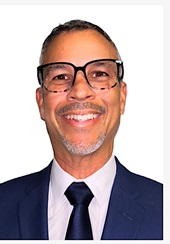
Rep. Homar Gomez
Sponsored bills
Maddy summaryHD 1353 increases monthly benefits for low-income households receiving state assistance programs. It mandates a 20% annual benefit increase starting July 1, 2025, until payments reach 50% of the federal poverty level for each household size. Once this target is met, benefits will automatically adjust each July to maintain at least 50% of the federal poverty level. The bill also includes adjustments for clothing allowances and rental costs for eligible households. This directly affects low-income families relying on these state assistance programs.
Maddy summaryHD 541 authorizes Massachusetts' transportation secretary to negotiate an interstate compact with Connecticut, New York, and Vermont to establish permanent commuter rail service in Western Massachusetts. The bill specifically targets routes connecting New Haven to Brattleboro (via Greenfield, Holyoke, Northampton, Springfield) and Worcester to Albany (via Pittsfield, Chester, Springfield, Palmer). It also directs efforts to extend existing rail programs and promote connections between Western MA counties and major cities like Albany, Boston, Brattleboro, Hartford, and New Haven. The compact would create a formal framework for cooperation among the participating states to develop and sustain these rail services.
Maddy summaryHD 4087 creates a PFAS Remediation Trust Fund to address contamination from harmful chemicals (PFAS) in Massachusetts drinking water and environmental media. The fund, financed by settlements with PFAS manufacturers and other sources like grants and donations, will cover costs for public water systems, private well owners, municipalities, and regional water systems to test, treat, and remediate PFAS in water, soil, and groundwater. The Department of Environmental Protection will administer the fund, prioritizing vulnerable communities and requiring applicants to disclose any third-party payments to avoid duplicate funding. The fund operates without annual appropriation, with leftover balances carrying over to future years to ensure sustained support for PFAS cleanup efforts.
Maddy summaryThis bill allows veterans awarded the Purple Heart medal to receive special vehicle registration plates featuring the Purple Heart image. Eligible veterans who own private passenger vehicles or motorcycles can get their first set of these plates at no cost from the state motor vehicle office, with standard fees applying for additional sets. The plates are intended to honor Purple Heart recipients and are available upon providing proof of their military award. The bill directly affects qualifying veterans by providing a visible symbol of recognition for their service.
Maddy summaryThis bill (HD 1141) updates Massachusetts assistance programs for elders and people with disabilities. It requires that individuals experiencing homelessness - those with no permanent residence or staying in temporary shelters - to receive the same payment rates as those paying for shelter (like rent or mortgage), with the department creating rules to implement this. It also mandates annual budget increases for recipients based on the U.S. Consumer Price Index plus an additional percentage approved by the legislature, and sets the program's maximum benefit level equal to a similar program in Chapter 118. These changes directly affect low-income elders and disabled residents who are homeless or in temporary housing.
Maddy summaryThis bill eliminates all fees charged by the Office of the Chief Medical Examiner for removing, transporting, or handling a deceased child's body (defined as a child under 5 years old). It directly affects families who have lost young children, removing financial barriers during a difficult time. The bill requires the Office to submit annual reports to legislative committees detailing the number of child cases handled, costs absorbed, and funding recommendations. The law takes effect 90 days after passage.
Maddy summaryHD 1372 eliminates all fees charged by Massachusetts' Office of the Chief Medical Examiner (OCME) for removing, transporting, or handling the body of a deceased child. It directly affects grieving families who would otherwise pay these costs, covering children under age 5 (including reportable fetal deaths). The bill prohibits OCME from imposing such fees immediately upon enactment and requires the state to fund this service through budget adjustments. It also mandates an annual OCME report to the Legislature tracking cases, costs, and funding needs related to the policy change.
Maddy summaryH 4831 requires all local, regional, and state public meetings to offer free, accessible remote participation and viewing. It mandates that remote attendees can vote, count toward quorum, and access meetings without fees or barriers - including captioning and disability accommodations per the Americans with Disabilities Act. Public bodies must post meeting notices online 48 hours in advance (excluding holidays), and state meetings must be recorded and posted within 10 business days. The bill updates notice requirements for different government bodies and ensures remote access is available to all, including people with disabilities.
Maddy summaryHD 2863 modernizes how local governments conduct meetings and elections by enabling remote participation for both public body members (like town select boards) and the public. It requires that remote meetings provide free, accessible public access via technology or transcripts, mandates roll call voting for remote participants, and sets rules for postponing elections during emergencies like weather or public health crises. The bill applies to all towns and cities, allowing select boards to reschedule elections with specific deadlines for mail-in ballots and public notice, while ensuring transparency and accessibility in local governance.