

By Representative Meschino of Hull, a petition (subject to Joint Rule 9) of Joan Meschino and others for legislation to create a climate bank to facilitate innovative financing solutions for climate and clean energy innovations in the public, private, and non-profit sectors. Financial Services.
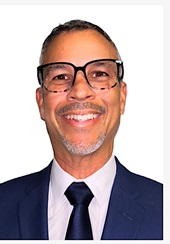
Rep. Homar Gomez
Sponsored bills
Maddy summaryHD 1578 allows veterans awarded the Purple Heart to obtain special license plates for their private passenger vehicles or motorcycles. Eligible veterans must provide proof of their Purple Heart award to the state motor vehicle office, which will issue the distinctive plates at no cost for the first set. Subsequent sets or replacements will require payment of the standard registration fee. This bill directly affects Purple Heart recipients by providing a visible recognition option through vehicle registration.
Maddy summaryThis bill (HD 1173) requires specific insurance plans in Massachusetts to cover medically necessary functional repair or restoration for certain congenital craniofacial disorders. It applies to Commonwealth employee health plans, state division programs, private insurance policies, and health maintenance organizations. Coverage must include treatment for ectodermal dysplasia, dentinogenesis imperfecta, and amelogenesis imperfecta (excluding cleft lip/palate, which is covered under separate existing sections), but excludes cosmetic surgery and unrelated dental/orthodontic care. Crucially, these benefits must not face higher deductibles, copays, or out-of-pocket limits than other plan benefits.
Maddy summaryHD 1706 prevents landlords from evicting tenants solely due to having a pet during a state of emergency (unless the pet causes harm), and bans breed-based restrictions in housing rules, condo bylaws, and tenant screening. It limits additional rent for common household pets to 1% of monthly rent per dog or cumulatively for other pets, while exempting service animals. The bill also prohibits insurance companies from denying coverage or increasing premiums based on dog breed, except for designated dangerous dogs. These changes apply to residential landlords, housing authorities, and insurers, aiming to reduce pet-related housing barriers.
Maddy summaryH 4649 establishes a special commission to study micro-transit services in Massachusetts. The commission will examine different operating models (including those run by regional transit authorities and other entities), assess funding needs and gaps, define micro-transit for state funding eligibility, and estimate annual state funding required to support these services. It will specifically focus on closing mobility gaps, improving connectivity, and addressing transportation inequities in underserved areas and populations. The commission, composed of transit officials, community representatives, and rural stakeholders, must submit a final report to state leaders within three months of the bill's effective date.
Maddy summaryHD 2465 requires Massachusetts state prisons and county facilities to provide incarcerated people with at least eight hours of daily "out of cell" time for social interaction and activities, including at least six hours weekly of group programming like education and vocational training (with three hours eligible for good conduct credits). It mandates personalized rehabilitation plans for each person, involving input from staff and the individual, and requires facilities to send parole-eligible plans to the parole board for review. The bill also sets minimum standards for access to medical care, outdoor recreation, libraries, and facilities conditions (like temperature and water quality), and requires annual data collection on programming access and outcomes, reported by race, gender, and other demographics. This law directly affects all individuals held in Massachusetts correctional facilities.
Maddy summaryThis bill requires Massachusetts public transit agencies (like the MBTA and regional authorities) to create and display a formal "riders' bill of rights" for paratransit users with disabilities. It guarantees 14 specific rights, including safe and reliable transportation, professional service, clear information, appeal processes for eligibility denials, on-time service, accessible vehicles, and protection against discrimination. Agencies must post this bill of rights on their websites, in printed materials, and provide accessible formats upon request. The law takes effect January 1, 2027, directly affecting paratransit riders who rely on these ADA-compliant transportation services.
Maddy summaryHD 1085 requires Massachusetts to provide free state identification cards to homeless adults and unaccompanied homeless youth (under age 24 without stable housing or parental care). The bill mandates that state ID regulations include a fee waiver process and allow alternative proof of residency, such as documentation from homeless shelters, youth services, or state housing/human services agencies. It also requires the state registrar and secretary to create a formal agreement to implement these provisions. This directly affects individuals experiencing homelessness by removing financial and residency barriers to obtaining official identification. The policy change creates a concrete pathway for this population to access essential services requiring ID.
By Mr. Gomez, a petition (accompanied by bill, Senate, No. 1704) of Adam Gomez and Homar Gómez for legislation to mandate flotation devices in police vehicles. Public Safety and Homeland Security.
By Representative Livingstone of Boston, a petition (subject to Joint Rule 12) of Jay D. Livingstone and others relative to ivory and rhinoceros horn trafficking. Environment and Natural Resources.