By Representative Blais of Deerfield, a petition (accompanied by bill, House, No. 517) of Natalie M. Blais and others relative to rural schools. Education.
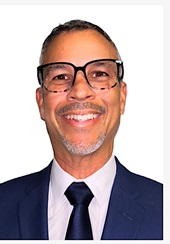
Rep. Homar Gomez
Sponsored bills
Maddy summarySD 1104 updates bail procedures for youth aged 12-18 involved in the justice system. It requires officers to immediately notify a parent, guardian, or the Department of Children and Families for all youth 12-18 arrested without a warrant when courts are not in session. For youth aged 14-18, officers must also notify a bail magistrate, who must review the case before release. The bill clarifies that youth may be released on bail with a written promise from a responsible adult, but must be detained in approved facilities if they cannot post bail, are charged with non-bailable offenses, or if a court orders detention pending appearance. This directly affects youth in custody and law enforcement officers handling juvenile arrests.
Maddy summaryHD 368 requires all public bodies (including local towns, school districts, counties, and state agencies) to make meetings both physically open and remotely accessible to the public. It mandates that meetings must be viewable online via free video platforms without charge, with captioning and accessibility accommodations for people with disabilities. The bill also requires 48-hour advance notice of meetings (posted online and visibly in public buildings), specifies minimum physical presence requirements for voting members, and requires state meetings to be recorded and posted within 10 business days. These changes aim to modernize public access to government meetings while maintaining transparency and inclusivity.
Maddy summarySD 2049 expands Massachusetts' low-income home energy assistance program to include cooling support. It provides up to $500 per household for air conditioners, ceiling fans, or box fans, plus electric bill assistance during hot weather, targeting households earning under 60% of state median income. The bill requires 10% of annual LIHEAP funds to support this program, prioritizing underserved communities based on income, housing conditions, and climate vulnerability. The Department of Housing must report annually on program participation, equipment distributed, and costs to relevant legislative committees.

By Mr. Gómez, a petition (accompanied by bill, Senate, No. 62) of Adam Gómez and Homar Gómez for legislation to establish community fridges to address food insecurity. Agriculture.
Maddy summaryHD 245 creates a state-wide pancreatic cancer initiative administered by the Department of Public Health. It establishes a 13-member pancreatic cancer advisory council (including patient advocates and representatives from cancer networks) to develop hospital certification standards, identify underserved areas for improved care access, create a multi-provider consortium for best practices, and develop a standard tissue consent form for research. The bill also mandates a comprehensive study on pancreatic cancer prevalence and patient needs, plus a public education program about genetic risks and symptoms. Additionally, it requires the insurance commissioner to survey genetic testing coverage and the health center to update pancreatic cancer screening benefit reviews by 2026. This bill directly affects pancreatic cancer patients, healthcare providers, and the state's public health infrastructure.
Maddy summaryH 4611 requires public facilities across Massachusetts to provide free disposable menstrual products (like tampons and sanitary napkins) to menstruating individuals. It mandates this in all government-owned buildings, public colleges, shelters, schools, and correctional facilities. Products must be available in accessible restroom locations without stigmatizing the user. The law applies to all entities listed in the bill, including schools, shelters, and jails, ensuring no-cost access in designated areas. It does not cover private businesses or general public spaces outside these specified settings.
Maddy summaryThis bill (HD 1621) amends the legal definition of "Vulnerable user" in traffic law to explicitly include snowmobiles. It adds "Snowmobile" to the list of vehicles already protected under this definition, which currently covers pedestrians, bicyclists, and other non-motorized or low-speed vehicles. This change affects snowmobile operators by formally recognizing them as vulnerable road users under existing legal protections. The amendment takes effect January 1, 2026, but does not introduce new safety requirements or traffic rules.
Maddy summaryThis bill designates September 22nd as "Military Service Members and Veterans Suicide Awareness and Remembrance Day" in Massachusetts. It requires the governor to issue an annual proclamation recognizing suicide among veterans as a serious issue, fostering awareness, and calling for prevention measures to support veterans and their families. The law directly affects veterans, their families, and the Commonwealth through official state recognition of this day. The key mechanism is the governor's annual proclamation, urging public observance to honor service members and address veteran suicide.
Maddy summaryThis bill creates a new assessment system for streaming entertainment companies using public rights-of-way in Massachusetts. It requires companies earning over $250,000 annually in the state to pay an assessment based on their gross revenues, with rates set annually by a new advisory board. The collected funds aim to maintain previous revenue levels for community media facilities (PEG access facilities), which provide public, educational, and government programming. The bill directly affects streaming operators, not end-users, and establishes a structured process for collecting payments while prohibiting rate regulation of these services.