

Maddy summaryH 4746 establishes Massachusetts' first comprehensive consumer data privacy law, directly affecting businesses operating in the state that collect personal data ("controllers"). The law requires businesses to obtain clear "affirmative consent" from Massachusetts residents before collecting or selling their personal data, prohibiting manipulative "dark patterns" and ensuring consent requests are transparent, specific, and accessible. Key provisions include strict definitions for data types (like biometric data), rules for "contextual advertising" that doesn't track individuals, and requirements for businesses to honor consumer rights to access, delete, or opt out of data processing. The law applies to all businesses serving Massachusetts residents, with specific protections for children's data and health/wellness information.
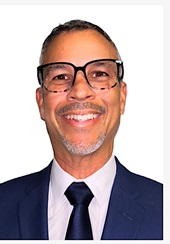
Rep. Homar Gomez
Sponsored bills
Maddy summaryThis bill (HD 157) changes who pays brokerage fees in rental agreements. It requires that fees charged by licensed real estate brokers or salespeople must be paid only by the landlord or tenant who directly hired them to arrange the lease. The law prevents landlords from passing these fees onto tenants through the lease contract, or tenants from being charged by brokers they didn't personally engage. This directly affects landlords, tenants, and brokers involved in residential rental transactions.
Maddy summaryThis bill prohibits real estate brokers and landlords from charging tenants fees for services like showings, document preparation, or tenant screening when renting residential properties in Massachusetts. It bans landlords from requiring tenants to hire a broker or pay broker fees as a condition of renting. Violations are considered unfair business practices under Chapter 93A, with fines up to $1,000 per violation. The law directly affects tenants, landlords, and brokers in residential rental transactions across the Commonwealth.
Maddy summaryHD 1916 requires Massachusetts public schools to include specific content about Native American culture and history in their curriculum. The bill mandates that educational standards cover five key areas: the history and current issues of Massachusetts tribes (like Wampanoag and Nipmuc), historic tribal connections to the state (such as the Wabanaki Confederacy), national Native American history, tribal sovereignty and treaty rights, and contemporary issues facing Native Americans in Massachusetts. School boards must consult with the Commonwealth's established relationship with Native American tribes - defined by treaties, laws, and executive orders - when developing these standards. This policy change directly affects all public school students and educators in Massachusetts by setting new curriculum requirements for teaching Native American heritage.
By Representatives Lipper-Garabedian of Melrose and Vieira of Falmouth, a petition (accompanied by bill, House, No. 86) of Kate Lipper-Garabedian, David T. Vieira and others relative to regulation of location information derived from electronic devices. Advanced Information Technology, the Internet and Cybersecurity.
By Representative Gómez of Easthampton and Senator Gomez, a joint petition (accompanied by bill, House, No. 126) of Homar Gómez relative to establishing community fridges to address food insecurity. Agriculture.
Maddy summaryThis bill expands a short-term housing bridge pilot program to provide interim housing stability for older adults (60+) in Massachusetts who are at risk of eviction due to inability to pay rent. It establishes a steering committee - including housing officials, aging services representatives, homelessness advocates, and older adults with lived experience - to develop and oversee the program’s expansion. The program will ensure participants pay no more than 30% of their income for housing, with performance-based contracts funding service agencies statewide. The committee must file annual reports with the legislature and post them online, including recommendations for statewide implementation by December 31 each year.
Maddy summaryH 4675 defines "animal neglect" as failing to provide basic care (food, water, shelter, vet care) or keeping pets in unsanitary conditions. It empowers law enforcement and animal control officers to petition courts for orders when neglect is suspected, requiring owners to provide care or transferring animals to authorities. Courts must hold hearings within 10 days and can order proper care, animal removal, euthanasia (if in the animal’s best interest), or prohibit future pet ownership. This bill directly affects pet owners and those caring for companion animals, creating a streamlined court process to address neglect cases.
Maddy summaryThis bill establishes new legal protections for animals in Massachusetts by defining "neglected" as depriving animals of food, water, shelter, or causing unnecessary suffering. It grants animal control officers and law enforcement the authority to immediately remove animals in emergency situations and require court hearings within 10 days to determine neglect. The law outlines specific court procedures for returning animals to owners (after payment for care), forfeiting animals to authorities, or ordering humane euthanasia, while requiring evidence of neglect to be proven by the owner or keeper. It directly affects animal owners, caretakers, and enforcement agencies in Massachusetts when animal neglect is alleged.
Maddy summaryThis bill establishes the Nursing Workforce Center at the University of Massachusetts medical school in Worcester, replacing the former Nursing Council on Workforce Sustainability. The center will gather data, conduct research, and provide analysis on current and future nursing workforce needs across Massachusetts. It must convene stakeholders (including nurses, healthcare providers, and educators), develop recruitment/retention strategies, prepare annual reports, and make recommendations to state committees and health agencies. The center will be administered by a UMass dean-appointed director and overseen by the Executive Office of Health and Human Services. This directly affects nurses, healthcare systems, and state policymakers by creating a centralized resource for addressing workforce challenges.