

Maddy summaryThe Healthy MOM Act (HR 6242) would require health insurance plans to provide a special enrollment period for pregnant individuals beginning when pregnancy is reported to the insurer. It mandates that group health plans and health insurance issuers cover maternity care, including childbirth and postpartum care, for all dependents regardless of age. The bill would extend Medicaid coverage for pregnant individuals and infants to 12 months postpartum (instead of ending at 60 days postpartum) and make this 12-month coverage permanent. These provisions would directly affect pregnant individuals, women with dependent children who are pregnant, and health insurance plans and Medicaid programs.
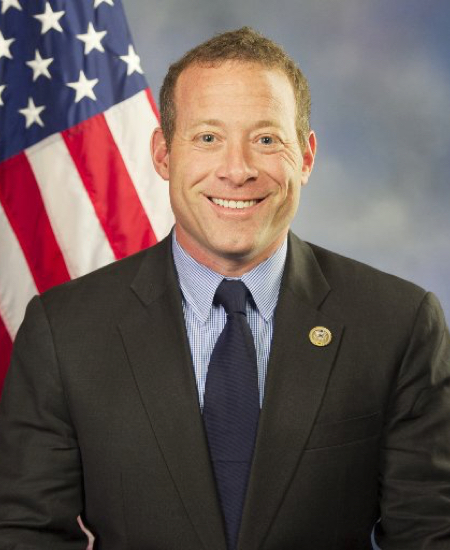
Rep. Josh Gottheimer
Sponsored bills
Maddy summaryThe HOPE Act extends enhanced premium tax credits through 2027, providing income-based subsidies for individuals with household incomes up to 935% of poverty level who purchase health insurance through ACA marketplaces. It imposes civil penalties of $10,000-$50,000 (and criminal penalties) for agents or brokers who provide false enrollment information. The bill requires new verification processes for agent-assisted enrollments, including documentation of consent and delayed commission payments, and mandates quarterly checks to remove deceased individuals from health insurance plans. These changes directly affect subsidy recipients and insurance agents/brokers operating in healthcare marketplaces.
Maddy summaryHR 6181, the John Lewis Every Child Deserves a Family Act, prohibits child welfare agencies receiving federal funds from discriminating against children, youth, or prospective foster/adoptive parents based on religion, sex (including sexual orientation and gender identity), or marital status. It directly affects LGBTQ youth in foster care - overrepresented at 30% of the system - who face higher risks of trauma, group home placements, and suicide attempts compared to non-LGBTQ peers. Key provisions require agencies to collect data on sexual orientation and gender identity, establish a National Resource Center for LGBTQ youth support, provide cultural competency training, and eliminate discriminatory practices. The law aims to improve safety, permanency, and placement stability by expanding access to family-based care and ensuring equitable services for all children in the system.
Increasing Access to Lung Cancer Screening Act This bill provides for coverage without prior authorization requirements of annual lung cancer screenings under Medicaid, Medicare, and private health insurance for individuals for whom screenings are recommended under U.S. Preventive Services Task Force guidelines. It also expands Medicaid coverage of counseling and pharmacotherapy for cessation of tobacco use to all individuals, rather than only pregnant women. The Department of Health and Human Services must conduct outreach on the importance of lung cancer screenings and who should be screened, and the Government Accountability Office must report on the demographics of those diagnosed with lung cancer and recommend ways the federal government can improve screenings.
Maddy summaryHR 6231 extends and enhances the Work Opportunity Tax Credit (WOTC), a federal tax credit for employers hiring from specific target groups like veterans, SNAP recipients, and summer youth workers. The bill extends the program through 2030 (from 2025), increases the credit rate to 50% for certain wages (up from 40%), adds automatic inflation adjustments to the $6,000 wage cap, and expands eligibility to include military spouses and removes age limits for SNAP recipients. Key provisions also modify credit calculations for veterans, agricultural workers, and long-term assistance recipients, while requiring federal agencies to promote hiring from target groups in critical sectors like healthcare and construction. This bill directly affects employers who hire from these designated groups, making the tax credit more valuable and accessible.
Maddy summaryHR 2259 requires the Secretary of Homeland Security to develop a national strategy for securing K-12 schools against terrorism within one year of enactment. This strategy must coordinate existing federal programs, identify security vulnerabilities in schools, and outline actions to address them, while avoiding duplication with current efforts. The Secretary must annually update the strategy through 2033 and report to relevant congressional committees, including certification if no updates are made. The bill directly affects federal agencies (Homeland Security, Education, and others) responsible for school security coordination, but does not create new funding or alter school operations.
Maddy summaryThis bill creates a new Medicare buy-in option for eligible retired or disabled first responders aged 50-64. It directly affects qualified law enforcement officers, certain emergency medical personnel, and federal firefighters who have separated from service due to retirement or disability. Key provisions include establishing a premium calculated based on Medicare's average costs, coordinating enrollment periods with the Affordable Care Act marketplace, and ensuring coverage counts as "minimum essential coverage" for tax purposes. The bill also prohibits Medicaid beneficiaries from using this option and requires outreach efforts (2027-2029) to help eligible individuals enroll.
Maddy summaryHR 6137 would create a new separate job code for "direct support professionals" (DSPs) within the federal Standard Occupational Classification system. This change aims to better recognize DSPs - who provide daily support for people with intellectual and developmental disabilities (like helping with daily living, community participation, and goal-setting) - as distinct from other roles like home health aides. The bill requires the Office of Management and Budget to consider this revision during the next system update, without authorizing new funding. It addresses data gaps caused by high turnover rates (39% nationally) in DSP hiring and retention.
Maddy summaryHR 6121, the Promoting Physical Activity for Americans Act, requires the Secretary of Health and Human Services to publish science-based physical activity recommendations for the U.S. public every 10 years, starting by December 31, 2029. These reports must include evidence-based guidance for general populations and specific subgroups like children or people with disabilities, and must be updated every 5 years after the first report. Federal agencies must consider these recommendations when developing their own physical activity guidelines, though the bill explicitly states no federal fitness standards established under it will be binding on individuals. The act does not affect existing biomedical research or scientific communication by federal agencies.
Maddy summaryThe Increasing Access to Mental Health in Schools Act creates a federal grant program to increase the number of mental health professionals (counselors, social workers, and psychologists) in low-income public schools. It provides funding for partnerships between schools serving high percentages of low-income students and graduate institutions that train mental health professionals, aiming to reach recommended staff-to-student ratios (such as 1 counselor per 250 students). The bill also establishes a student loan repayment program for mental health professionals working in these schools, offering up to $200,000 in total repayment over five years. This legislation directly affects low-income school districts and mental health professionals working in those schools, with the goal of improving mental health support for students facing challenges like poverty, homelessness, or trauma.