

Maddy summaryHRES 906 would change House rules to require a 60% vote of members present and voting to censure, disapprove, or remove any House member, delegate, or resident commissioner from committee assignments. Currently, a simple majority (50%+1) could trigger these actions, but this bill raises the threshold to a supermajority. The change applies directly to all voting members of the House and affects disciplinary procedures for members. This is a procedural rule change that makes it harder to take formal disciplinary actions against House members.
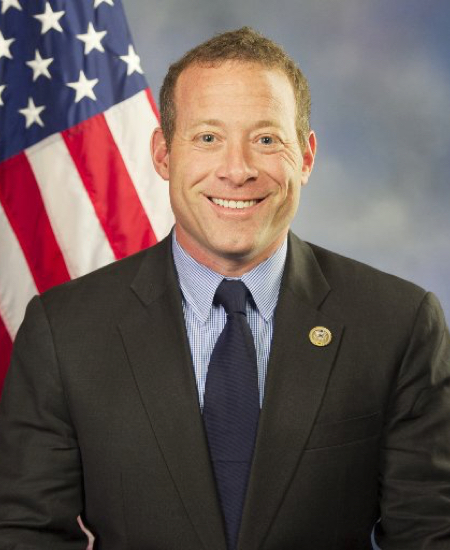
Rep. Josh Gottheimer
Sponsored bills
Maddy summaryThis bill expands Medicare coverage to include genetic counseling services provided by licensed or certified genetic counselors, effective January 1, 2027. It defines "covered genetic counseling services" as those furnished by qualified counselors under state law or certification, with payments set at 80% of the lesser of the actual charge or 85% of the physician fee schedule. Medicare beneficiaries seeking genetic counseling will gain access to these services through covered providers, while preventing balance billing for these specific services. The bill does not restrict physicians from billing for similar services under existing Medicare rules.
Maddy summaryHR 6286, the Indo-Pacific Partner and Ally Tariff Repeal Act, repeals tariffs imposed on 39 specific Indo-Pacific countries and territories through two executive orders. The bill directly affects these nations, including Australia, Japan, India, South Korea, and others, by eliminating tariffs that were applied under Executive Orders 14257 and 14326. Its key provision requires the immediate termination of these tariffs upon the bill's enactment. The legislation targets only the listed countries and does not alter tariffs on other nations.
Maddy summaryThis bill expands eligibility for federal TIFIA loans to include most airport infrastructure projects, such as new terminals, security systems, or surface transportation links, regardless of revenue generation or public access. It raises the maximum loan amount from $75 million to $100 million and removes certain eligibility barriers for airport projects seeking loan waivers. The changes directly affect airport authorities and developers seeking federal financing for aviation facility construction or upgrades. Key provisions clarify that projects enhancing air transportation safety, passenger movement, or airport operations qualify under TIFIA. The bill modifies existing transportation law to simplify access to federal credit for airport infrastructure.
Maddy summaryHR 6215, the Small Business RELIEF Act, exempts small businesses from import duties imposed under Executive Order 14257 (90 Fed. Reg. 15041) for goods they import or use. It requires the President to refund duties paid by small businesses within 90 days of the bill's enactment. The bill defines "small business concern" using the standard Small Business Act criteria (15 U.S.C. 632). This directly affects small businesses importing goods, providing immediate cost relief by removing a specific tariff and refunding past payments.
Maddy summaryThe Healthy MOM Act (HR 6242) would require health insurance plans to provide a special enrollment period for pregnant individuals beginning when pregnancy is reported to the insurer. It mandates that group health plans and health insurance issuers cover maternity care, including childbirth and postpartum care, for all dependents regardless of age. The bill would extend Medicaid coverage for pregnant individuals and infants to 12 months postpartum (instead of ending at 60 days postpartum) and make this 12-month coverage permanent. These provisions would directly affect pregnant individuals, women with dependent children who are pregnant, and health insurance plans and Medicaid programs.
Maddy summaryThe HOPE Act extends enhanced premium tax credits through 2027, providing income-based subsidies for individuals with household incomes up to 935% of poverty level who purchase health insurance through ACA marketplaces. It imposes civil penalties of $10,000-$50,000 (and criminal penalties) for agents or brokers who provide false enrollment information. The bill requires new verification processes for agent-assisted enrollments, including documentation of consent and delayed commission payments, and mandates quarterly checks to remove deceased individuals from health insurance plans. These changes directly affect subsidy recipients and insurance agents/brokers operating in healthcare marketplaces.
Maddy summaryHR 6181, the John Lewis Every Child Deserves a Family Act, prohibits child welfare agencies receiving federal funds from discriminating against children, youth, or prospective foster/adoptive parents based on religion, sex (including sexual orientation and gender identity), or marital status. It directly affects LGBTQ youth in foster care - overrepresented at 30% of the system - who face higher risks of trauma, group home placements, and suicide attempts compared to non-LGBTQ peers. Key provisions require agencies to collect data on sexual orientation and gender identity, establish a National Resource Center for LGBTQ youth support, provide cultural competency training, and eliminate discriminatory practices. The law aims to improve safety, permanency, and placement stability by expanding access to family-based care and ensuring equitable services for all children in the system.
Increasing Access to Lung Cancer Screening Act This bill provides for coverage without prior authorization requirements of annual lung cancer screenings under Medicaid, Medicare, and private health insurance for individuals for whom screenings are recommended under U.S. Preventive Services Task Force guidelines. It also expands Medicaid coverage of counseling and pharmacotherapy for cessation of tobacco use to all individuals, rather than only pregnant women. The Department of Health and Human Services must conduct outreach on the importance of lung cancer screenings and who should be screened, and the Government Accountability Office must report on the demographics of those diagnosed with lung cancer and recommend ways the federal government can improve screenings.
Maddy summaryHR 6231 extends and enhances the Work Opportunity Tax Credit (WOTC), a federal tax credit for employers hiring from specific target groups like veterans, SNAP recipients, and summer youth workers. The bill extends the program through 2030 (from 2025), increases the credit rate to 50% for certain wages (up from 40%), adds automatic inflation adjustments to the $6,000 wage cap, and expands eligibility to include military spouses and removes age limits for SNAP recipients. Key provisions also modify credit calculations for veterans, agricultural workers, and long-term assistance recipients, while requiring federal agencies to promote hiring from target groups in critical sectors like healthcare and construction. This bill directly affects employers who hire from these designated groups, making the tax credit more valuable and accessible.